Winnipeg Mayor Gillingham Has Not Earned Another Four Years
- Contributor
- Tiger's Eye Advisory Group - Trending News
- Elections
- June 21, 2026
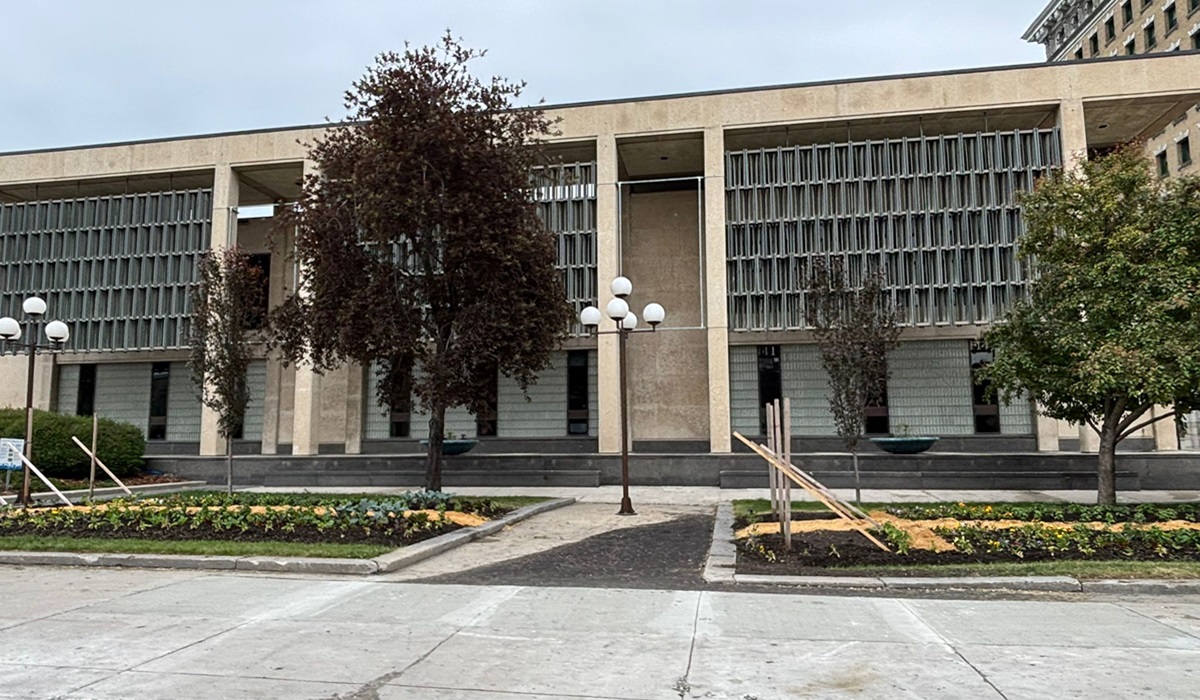
The latest polling is not simply a challenge for Scott Gillingham’s re-election campaign. It is a reflection of growing public frustration with the direction of Winnipeg and a growing belief that the city is not moving forward under the current administration.
The mayor’s greatest political problem is that he cannot argue these failures belong to somebody else. Before becoming mayor, he spent years on council and years chairing the finance committee. He was not brought in to fix a broken system. He helped oversee the system. He helped shape the priorities. He helped make the decisions. After more than a decade in positions of influence and power, voters have every right to judge him based on results rather than promises.
Homelessness has become one of the most visible signs of failure at City Hall. Encampments have expanded across Winnipeg. Public drug use has become increasingly visible. Businesses continue struggling with disorder while residents continue expressing concerns about safety and quality of life. The mayor campaigned on tackling homelessness, addiction, and crime. Instead, the crisis has become larger, more visible, and more costly than it was four years ago.
Compassion for vulnerable people should never prevent honest discussions about results. The reality is that more money has been spent, more strategies have been announced, and more promises have been made, yet the average resident can walk through parts of Winnipeg and reasonably conclude the situation has deteriorated. That is not progress. That is a failure of leadership.
Crime remains one of the defining issues facing Winnipeg, and that raises an uncomfortable question about how this administration approached the issue from the beginning.
During his campaign, Gillingham made it clear he was unhappy with the direction of the service and signalled that change at the top was necessary. Residents were led to believe that replacing leadership would help produce better outcomes across the city. Looking back, that argument appears far less convincing today than it did at the time.
The reality is that many of the issues driving public frustration were never originating inside police headquarters in the first place. Addiction, homelessness, mental health crises, repeat offenders, social disorder, and a lack of available supports are problems created by broader failures across government. Yet for years it often seemed politically easier to focus attention on law enforcement than to acknowledge the much larger failures feeding those challenges.
To be fair, the current chief has earned significant respect throughout Winnipeg and is widely regarded as doing an excellent job under difficult circumstances. The men and women serving on the front lines are also being asked to deal with situations that would have been almost unimaginable a decade ago. They are often the first people called when every other system has failed. They respond to mental health emergencies, overdoses, encampments, and neighbourhood crises that stem from deeper issues far beyond their control.
What many residents increasingly recognize is that these challenges were never going to be solved by replacing one chief with another. They require leadership from City Hall, coordination with other levels of government, meaningful addiction treatment, better mental health supports, housing solutions, and long-term planning.
Four years later, crime remains a major concern for voters. That should not be viewed as a criticism of the current chief or the officers doing the work every day. If anything, it highlights how unfair it was to suggest that many of these problems could be solved simply by changing leadership within the service while the deeper causes continued to grow unchecked.
Transit may be the most glaring example of an administration trying to market failure as success. Residents were promised modernization. What many riders experienced were fewer direct routes, more transfers, longer walks, increased confusion, and declining confidence in the system. Millions of dollars were spent on consultants, reports, studies, and redesigns while operators repeatedly identified the same underlying problem: driver shortages, retention issues, declining morale, and a disconnect between decision-makers and frontline realities.
The city attempted to package the problem as transformation. Riders experienced it as deterioration. A transit system cannot function properly if it cannot retain enough operators to deliver reliable service. No consultant report changes that reality. No amount of rebranding changes that reality. No amount of political spin changes that reality.
The financial record is equally troubling. As finance chair and later as mayor, Gillingham helped oversee a period in which taxpayers were repeatedly asked to pay more while core frustrations remained unresolved. Property taxes increased. Water rates increased. Sewer charges increased. User fees increased. Residents were repeatedly told these increases were necessary, yet many struggle to identify where the improvements are.
Nothing symbolizes this record more than the North End Water Pollution Control Centre. What should have been a major infrastructure project became one of the most expensive municipal projects in Canadian history. Costs exploded into the billions. Taxpayers continue paying. Businesses continue paying. Families continue paying. Yet residents are still left asking how costs spiralled so dramatically and who was held accountable.
At the same time, Winnipeggers continue paying higher water bills and higher sewer charges while being told the costs are unavoidable. Residents are effectively paying over and over again for a project that has become synonymous with cost overruns, delays, and frustration. Trust erodes when taxpayers are repeatedly asked for more while seeing little evidence that lessons have been learned.
Roads remain battered. Potholes remain everywhere. Construction delays continue frustrating motorists and businesses. Infrastructure backlogs continue growing. Winnipeg has become a city where dysfunction has become normalized because residents have stopped expecting City Hall to solve the problem.
The Arlington Bridge stands as a symbol of that dysfunction. Years have passed. Announcements have been made. Discussions have been held. Yet one of Winnipeg’s most important transportation links remains closed. The bridge has become a physical reminder of a City Hall that too often studies problems rather than solving them.
Portage and Main exposed another problem. Residents voted against reopening the intersection. City Hall eventually proceeded anyway. Regardless of where someone stood on the issue, many residents were left with the impression that public consultation only matters when politicians receive the answer they want.
The closure of Happyland Pool reinforced that perception. Residents fought to save a community facility they believed served an important purpose. Families spoke out. Community members organized. Many left feeling their concerns were heard but never truly considered.
The growing imbalance in recreation spending has only intensified frustration in many neighbourhoods. Residents in working-class communities continue watching major investments flow elsewhere while facilities in their own communities struggle for funding. Communities facing higher levels of poverty, crime, and social challenges should be receiving greater opportunities, not fewer.
Perhaps the most shameless example of election-year politics is unfolding right now.
Across Winnipeg, councillors are suddenly everywhere. Their faces appear on bus benches, bus shelters, recycling bins, newsletters, promotional mailers, community advertising, and virtually every taxpayer-funded communications platform available to them. After years of relative silence, many incumbents have launched highly visible campaigns reminding residents who they are and what they claim to have accomplished.
The message is obvious. Taxpayer money is being used to keep incumbents visible during an election year. Money that could have been directed toward neighbourhood improvements, recreation opportunities, youth programming, community initiatives, beautification projects, community safety initiatives, or local priorities is instead being used to increase political visibility and reinforce name recognition just months before voters head to the polls.
Residents should be angry about it because it represents everything people dislike about politics. At a time when many neighbourhoods are struggling with deteriorating infrastructure, rising costs, public safety concerns, and a lack of investment, elected officials are spending public resources ensuring their names and faces remain front and centre. The practice may be legal, but many residents would argue it is ethically questionable and completely disconnected from the spirit of public service.
There is something fundamentally wrong with elected officials using public resources to enhance their personal profile immediately before asking voters for another term. Public money should be invested in communities, not political branding exercises. Public money should be used to improve neighbourhoods, not improve re-election prospects. Every dollar spent promoting politicians is a dollar that could have been directed toward solving real problems facing residents.
For many voters, these last-minute visibility campaigns reveal a troubling culture inside City Hall. When politicians become more focused on promoting themselves than improving the communities they serve, public trust erodes. When elected officials view taxpayer-funded communications as a tool for political self-preservation rather than public information, cynicism grows. It is exactly the kind of behaviour that leaves residents feeling disconnected from the people elected to represent them.
The strongest argument against re-electing Scott Gillingham is not that every decision was wrong. The strongest argument is that after more than a decade in positions of influence, Winnipeg continues struggling with the same problems, except those problems are now larger, more expensive, and more urgent.
Homelessness has become more visible and more severe. Public frustration has grown. Confidence in transit has declined. Taxes, water bills, and sewer charges have all increased. Perhaps most importantly, trust in City Hall has eroded as residents question whether they are receiving value for the money they continue to pay.
For years, residents have been asked for patience. They have been asked for understanding. They have been asked for more time. At some point, leadership must be judged by outcomes rather than intentions, announcements, studies, strategies, or promises.
The outcomes are visible across Winnipeg for anyone willing to look. They can be seen in the homelessness crisis, in public frustration with transit, in rising utility costs, in deteriorating infrastructure, and in the growing number of residents who believe City Hall is disconnected from their daily concerns.
Public confidence is falling because residents increasingly believe they are paying more and receiving less. The deteriorating polling numbers reflect that frustration, and they help explain why a growing number of Winnipeggers believe the city needs new leadership, new priorities, and a fundamentally different direction.
The question facing voters this October is straightforward. After more than a decade helping run Winnipeg, has Scott Gillingham done enough to earn another four years?
A growing number of residents appear to believe the answer is no.o.
About The Author