Image Credit: Noel
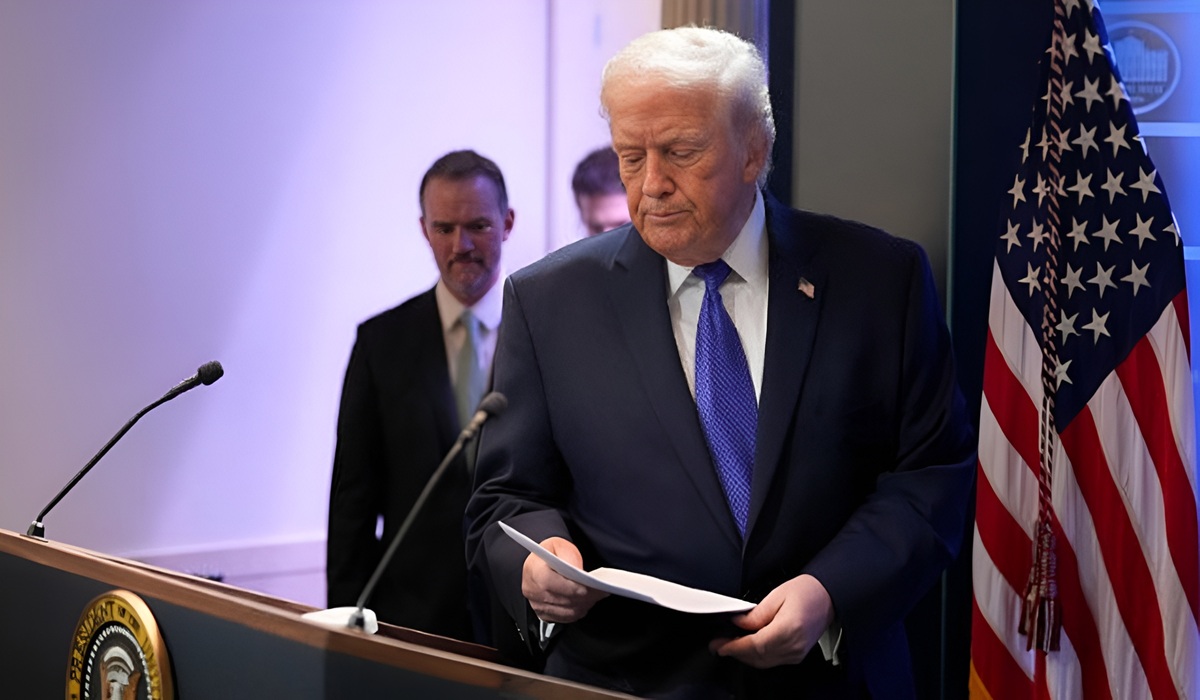
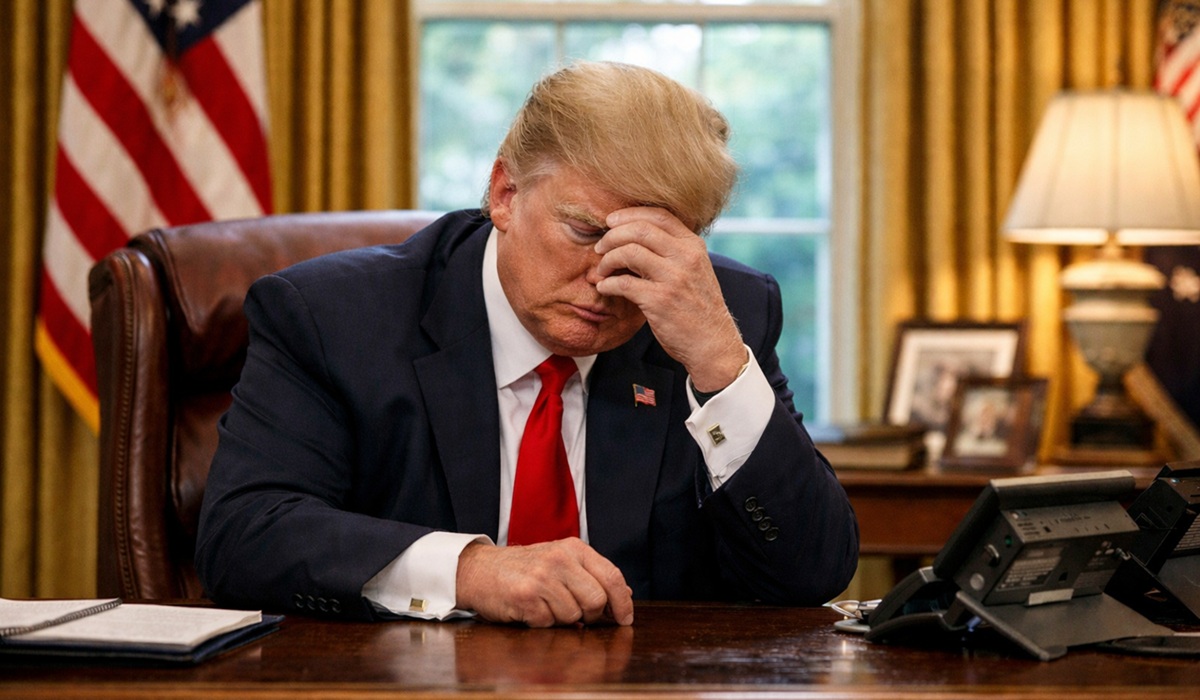
The United States is moving deeper into 2026 with an atmosphere that feels both energized and deeply divided. President Donald Trump continues promoting his administration’s economic agenda as a bold restructuring of American power, while critics argue the country is experiencing growing instability beneath the surface.
The White House has repeatedly highlighted manufacturing investments, domestic production initiatives, and aggressive trade policies as proof that the administration is rebuilding American industry. Supporters see the approach as a necessary correction after decades of outsourcing and economic dependency on foreign supply chains.
But outside Washington, the situation feels more complicated.
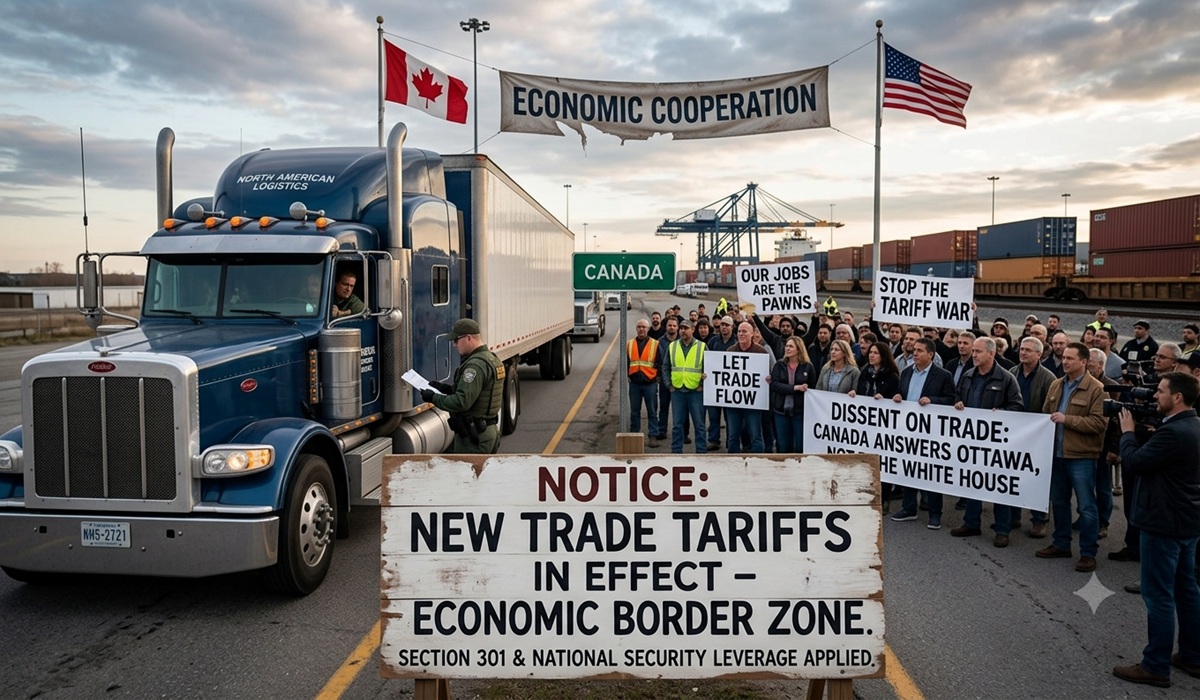
Inflation pressures have eased somewhat compared to previous years, yet many Americans continue struggling with high living costs, expensive housing markets, and uncertainty surrounding employment stability. Businesses tied to global trade remain particularly cautious as tariff tensions continue affecting supply chains and investment decisions.
One of the largest contradictions facing the administration involves China. Trump has continued presenting Beijing as America’s primary economic rival while simultaneously dealing with the reality that many major American corporations remain heavily tied to Chinese manufacturing and technology systems. The relationship has created a difficult balancing act between political messaging and economic practicality.
The political environment itself has also become increasingly aggressive. Public debate feels more emotional and confrontational than ever, with nearly every major issue quickly turning into a national ideological battle. Immigration, crime, foreign policy, education, and economic fairness continue driving sharp divisions throughout the country.
Meanwhile, supporters of the administration argue the turbulence is part of a larger transformation designed to restore American leverage globally. They believe the short-term discomfort tied to trade disputes and economic restructuring will eventually strengthen the country’s position in manufacturing, energy, and international negotiations.
Critics remain unconvinced, warning that growing polarization and economic unpredictability could produce lasting consequences both domestically and internationally.
Even so, Trump continues maintaining a remarkably loyal political base that sees his leadership style as forceful, disruptive, and necessary during a period many Americans believe requires dramatic change rather than cautious management.
The result is a country that feels simultaneously confident, anxious, energized, and exhausted all at once.
About The Author