The Global Food Industry Is Changing Fast as Consumers Chase Protein, Fibre and “Healthier” Comfort Food
- Naomi Dela Cruz
- Food
- Tiger's Eye Advisory Group - Trending News
- May 6, 2026
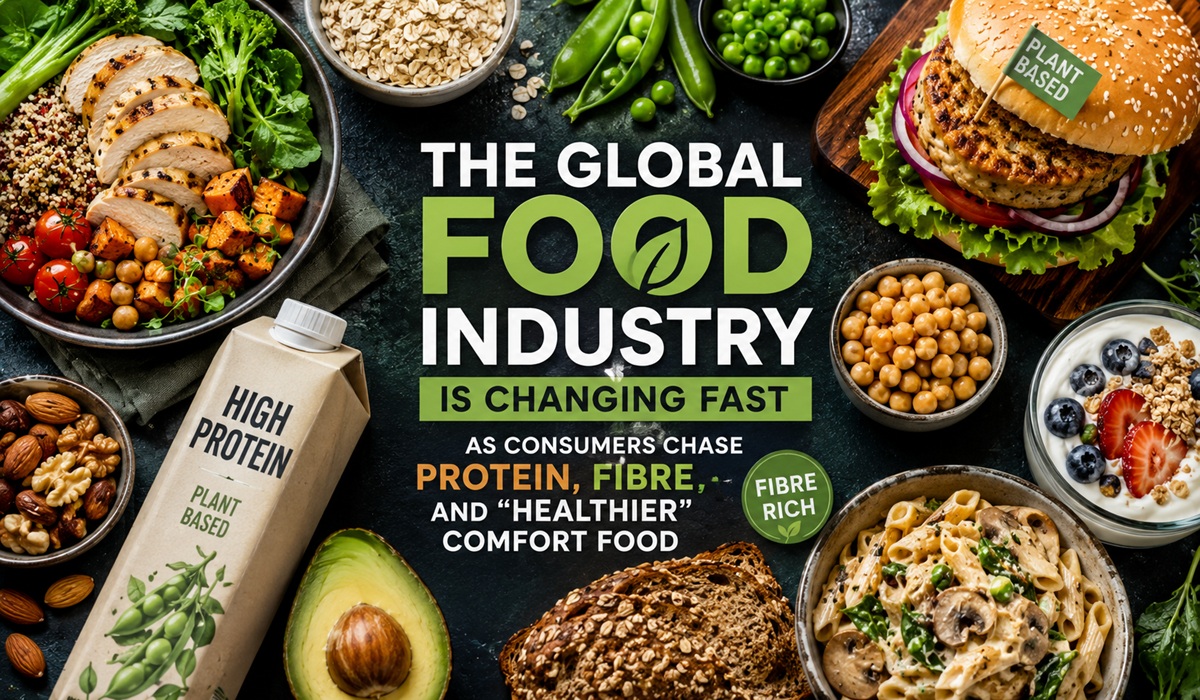
The modern grocery store is becoming less about simple hunger and more about identity, health and emotional reassurance. Consumers around the world are changing how they eat, not because they suddenly stopped craving comfort food, but because they now want those indulgences to come with fewer consequences.
The biggest food trend of 2026 is functional eating. Protein-packed snacks, fibre-enhanced drinks, low-sugar sodas and nutrient-focused convenience foods are exploding across grocery shelves and restaurant menus. Companies are racing to market products that allow people to feel healthier without fully giving up the foods they enjoy.
One of the strongest examples is the protein boom currently reshaping the dairy industry. Demand for whey protein has surged dramatically over the past year, driven partly by the massive rise of GLP-1 weight-loss medications. People using these drugs are eating less overall, but nutritionists and doctors continue emphasizing the importance of maintaining muscle mass through higher protein intake.
That shift is now affecting global supply chains.
Dairy producers are investing heavily in protein-rich products, including high-protein yogurt, protein beverages, cottage cheese and snack bars. What used to be niche fitness products aimed mainly at bodybuilders are now mainstream grocery items targeting average consumers, office workers and even older adults focused on healthy aging.
Cottage cheese, once viewed as an outdated diet food, has suddenly become fashionable again through social media recipes and influencer cooking videos. High-protein ice creams, protein cereals and protein coffee drinks are also rapidly gaining popularity.
The beverage industry is undergoing its own major transformation. Sugary soda sales continue facing pressure as younger consumers increasingly prioritize gut health and lower sugar intake. Prebiotic and probiotic drinks are becoming one of the fastest-growing categories in North America.
Fast-food chains are adapting quickly. Subway recently added prebiotic soda options to menus in the United States, a move reflecting how even traditional fast-food companies understand consumer expectations are changing. Drinks now need to offer more than flavour alone. They need to sound healthy, functional or beneficial in some way.
Fibre has become one of the food industry’s newest marketing obsessions. Products advertising digestive health, gut support and microbiome benefits are appearing everywhere from snack aisles to energy drinks. Consumers may not fully understand the science behind microbiomes, but they increasingly associate fibre with wellness and balance.
At the same time, comfort food itself is not disappearing. In fact, many companies are finding success by combining indulgence with health-focused branding. Consumers still want chips, desserts and frozen meals. They simply prefer versions marketed as containing better ingredients, cleaner labels or added nutritional value.
Economic pressure is also shaping food trends significantly. Inflation continues affecting household budgets across North America and Europe. Consumers are cooking at home more frequently while still looking for affordable luxuries and emotional comfort through food. That has boosted demand for meal kits, ready-made grocery meals and inexpensive restaurant takeout.
Restaurant chains are being forced to adapt to this balancing act. Customers want healthier choices but still expect flavour, convenience and reasonable prices. Chains unable to provide all three are struggling to maintain loyalty.
International cuisine continues influencing mainstream food culture as well. Korean fried chicken, West African flavours, Caribbean spices and Middle Eastern street food remain increasingly popular across urban markets in Canada and the United States. Younger consumers are more adventurous with flavours than previous generations, partly driven by social media exposure and multicultural urban populations.
Artificial intelligence is quietly reshaping food development too. Companies are now using AI tools to analyze flavour preferences, consumer habits and purchasing behaviour faster than ever before. Some manufacturers are even using machine learning to help design new flavour combinations and predict which products are most likely to succeed before they ever hit store shelves.
Meanwhile, climate concerns are continuing to influence the industry in complicated ways. Plant-based meat alternatives experienced explosive growth several years ago but have since cooled somewhat as consumers pushed back against ultra-processed ingredients and higher prices. However, sustainability conversations remain central to food production.
Many consumers now prefer smaller environmental improvements rather than total lifestyle changes. That means reducing meat consumption occasionally, choosing local products when possible or buying foods with simpler ingredient lists rather than fully committing to vegan diets.
The food industry is also becoming increasingly emotional. Consumers are buying products tied to stress relief, energy support, sleep improvement and mental wellness. Functional teas, calming beverages and supplements marketed around mood support are becoming more common.
Ultimately, the modern food economy is no longer just about taste. It is about reassurance. People want food that comforts them physically and emotionally while still aligning with personal goals surrounding health, fitness and longevity. Consumers still want to enjoy eating. They simply want fewer regrets afterward.
About The Author