Ceasefire in Name Only: Markets Jolt, Missiles Fly, and Trump Governs Through Chaos
- Ingrid Jones
- U.S.A
- April 28, 2026
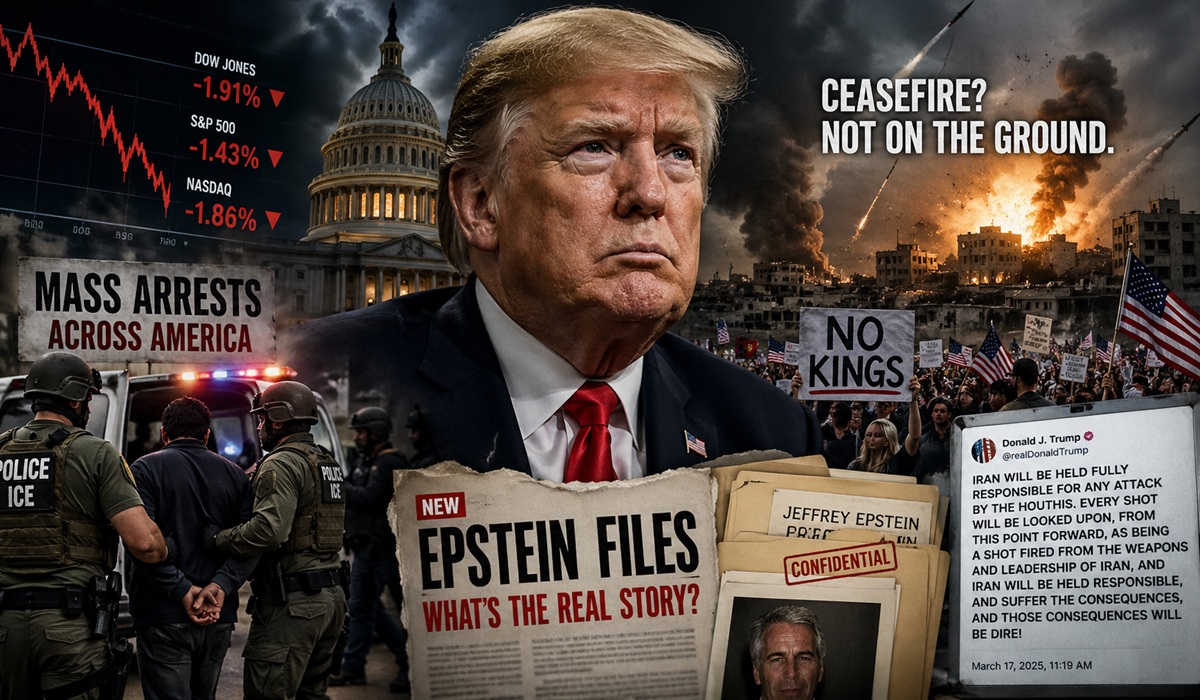
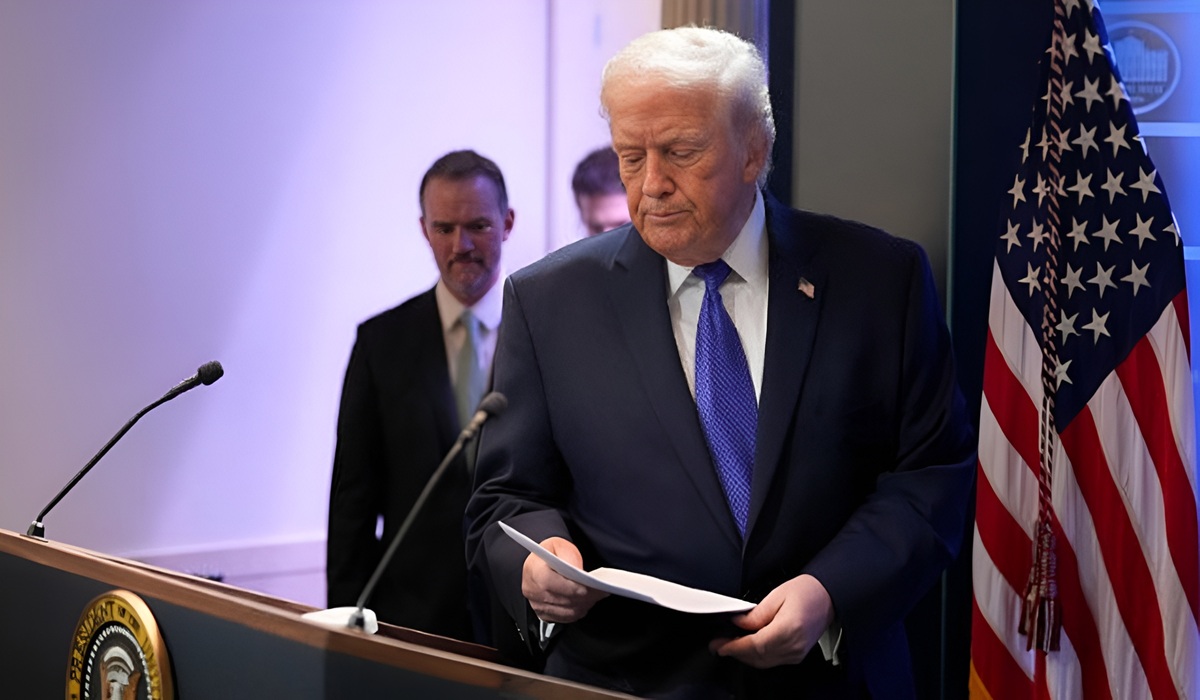
There is no clean narrative to sell right now, no tidy headline that captures what is actually unfolding under Donald Trump. The word “ceasefire” is being used, but it does not describe reality on the ground. In the last 24 hours, there have been continued flare-ups tied to Iran-linked tensions, intermittent strikes, and a steady stream of conflicting signals that keep both markets and military planners on edge. This is not stability. It is controlled instability, and it is being managed, amplified, and at times weaponized.
The Strait of Hormuz remains the pressure valve. Oil markets are reacting not to confirmed events, but to the uncertainty itself. Prices are swinging on statements, not outcomes. One moment there is talk of restraint, the next there are reports of renewed engagements and repositioning of naval assets. This kind of volatility does not happen in a vacuum. It thrives in environments where messaging is inconsistent by design. Trump’s approach has always leaned into that ambiguity, but right now it is hitting harder because the stakes are global and immediate.
The administration is publicly maintaining that a ceasefire framework is holding. Behind that language, however, defense posture tells a different story. Military readiness has not eased. If anything, it has intensified. You do not maintain that level of alert if you believe a conflict has genuinely cooled. What is happening instead is a situation where both sides are probing limits without fully crossing the line into open war. That is the most dangerous kind of standoff because it leaves room for miscalculation at every turn.
Back in the United States, the domestic picture mirrors that same instability. Immigration enforcement actions have accelerated sharply, with federal agencies moving fast and hard in multiple regions at once. The messaging frames this as restoring order, but the pace suggests something else as well. It is a show of force, a visible assertion of control at a time when global narratives are becoming harder to manage. When pressure builds abroad, administrations often tighten domestically. That pattern is playing out in real time.
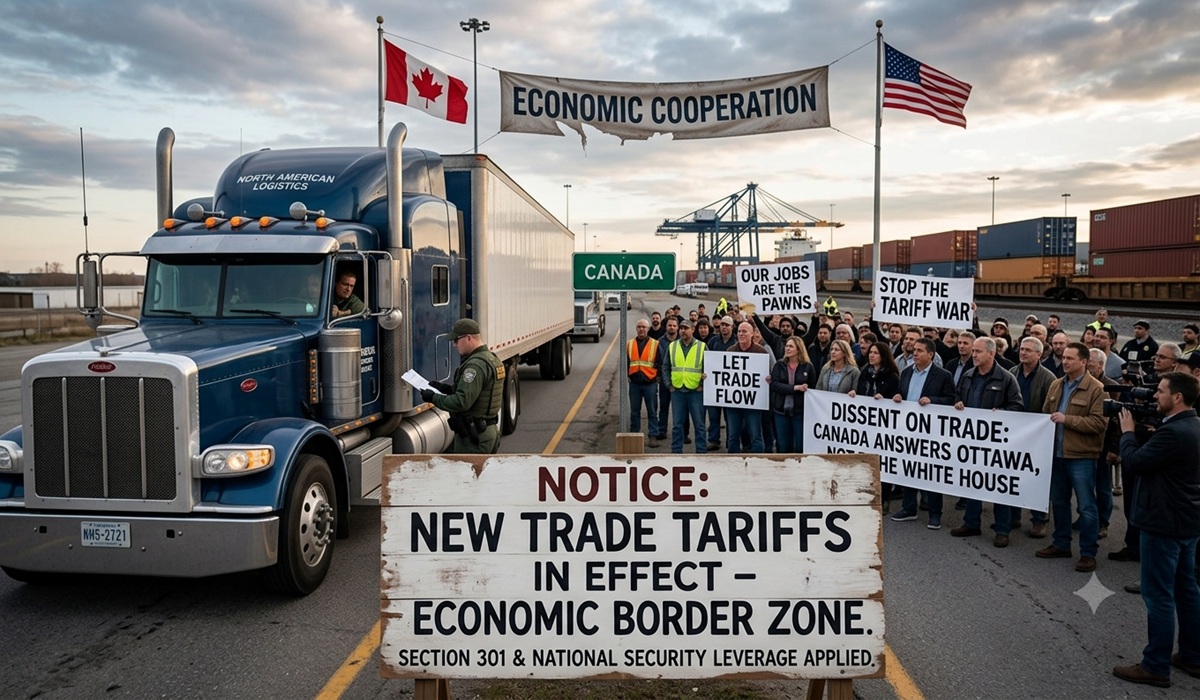
Economically, the markets are no longer reacting to fundamentals alone. They are reacting to Trump himself. A statement about tariffs, a hint at military escalation, or even a shift in tone can move billions in minutes. That is not normal market behavior. That is a system responding to a single, dominant variable. In the past 24 hours, renewed signals about aggressive trade positioning have already begun to ripple through supply expectations. Businesses are once again bracing for sudden policy shifts that could change cost structures overnight.
What makes this moment even more volatile is the constant churn of distraction and deflection that surrounds it. Major policy pressure points rarely stand alone. They are quickly followed or accompanied by new headlines that pull attention in different directions. Whether it is renewed focus on old controversies, legal battles, or sudden security scares, the effect is the same. The narrative fragments. The public struggles to track what matters most. And in that fragmentation, accountability becomes harder to pin down.
This is not governance in the traditional sense. It is management through pressure, through unpredictability, and through constant motion. Supporters argue that this keeps adversaries off balance. Critics argue that it keeps everyone off balance, including allies, markets, and the American public.
What cannot be ignored is the reality on the ground. There is no true ceasefire. There is no stable economic footing. There is no unified domestic front. There is only a series of overlapping tensions, each feeding into the next, creating a cycle where uncertainty becomes the defining feature of the moment.
The United States is not drifting. It is being driven, fast, in multiple directions at once. The question is not whether that creates impact. It already has. The question is how long that level of sustained instability can continue before something gives.
About The Author