Winds of Transformation: How China Three Gorges Wind Power Projects Are Reshaping Jhimpir and Thatha
- Naveed Aman Khan
- Pinpoint
- April 26, 2026
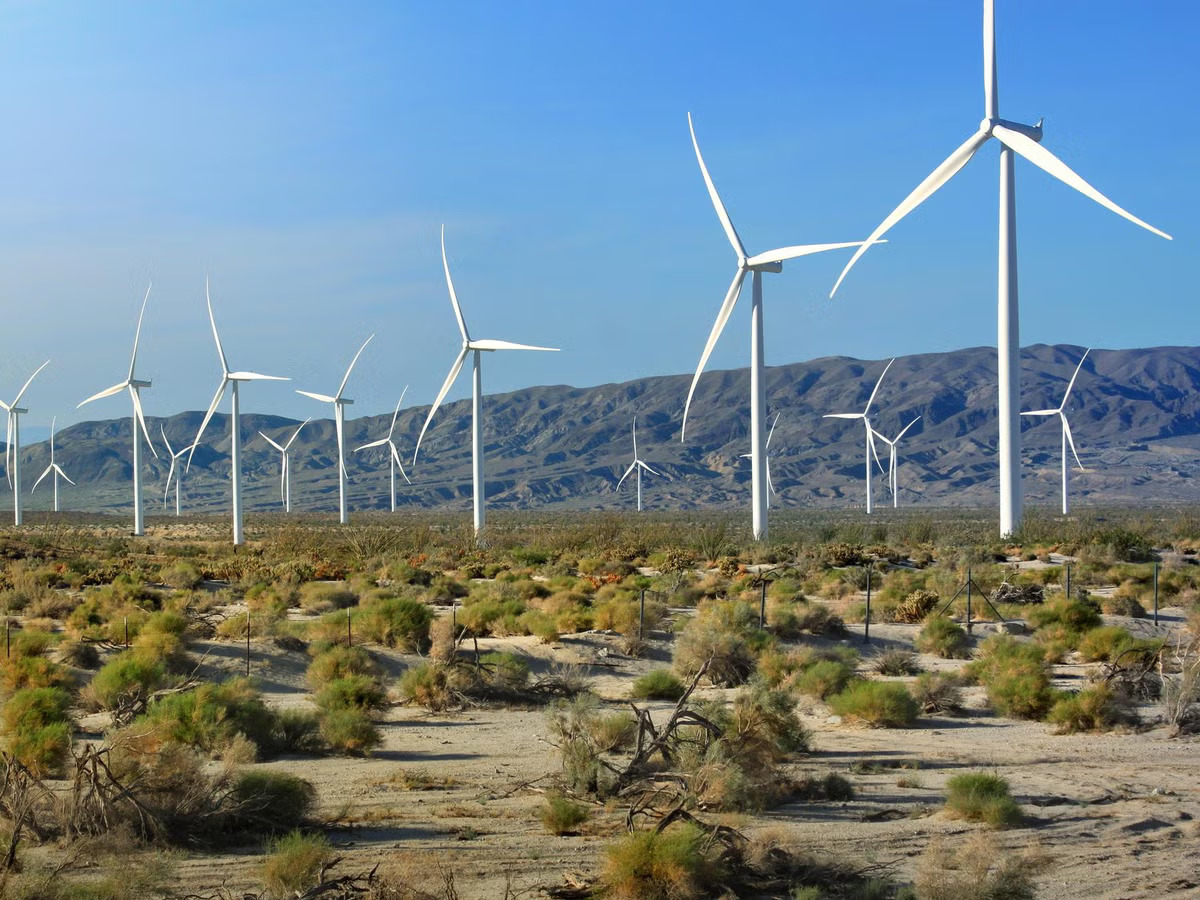
Pakistan’s chronic energy crisis has long constrained its economic growth, undermined industrial productivity, and burdened ordinary citizens with unreliable electricity supply. Against this backdrop, the emergence of wind energy projects in Jhimpir, Thatha developed by the China Three Gorges Corporation (CTGC) represents not merely an infrastructural intervention but a structural shift toward sustainable development. These projects, established under the framework of the China-Pakistan Economic Corridor (CPEC), have become a cornerstone of Pakistan’s renewable energy transition, with far-reaching socio-economic implications for the local population.
The China Three Gorges wind power portfolio in Jhimpir includes multiple phases, notably the First, Second, and Third Wind Farms. The Second and Third projects alone have a combined installed capacity of 100 MW and were completed in 2018. Their estimated cost stands at approximately $150 million, although broader investment estimates, including financing structures, place the figure closer to $224 million. These projects operate under a Build-Own-Operate (BOO) model, reflecting foreign direct investment and long-term operational commitment. Together with earlier phases, they form a significant cluster within Pakistan’s wind corridor, which is among the most wind-rich regions in South Asia.
Beyond their technical specifications, the real significance of these wind farms lies in their transformative impact on the socio-economic fabric of Thatha district. Historically, Thatha has been one of Sindh’s most underdeveloped regions, marked by poverty, limited industrialization, and fragile livelihoods dependent on agriculture and fishing. The introduction of large-scale renewable energy infrastructure has altered this trajectory in several important ways.
First, employment generation has been a key benefit. During the construction phase of the Second and Third wind projects, nearly 950 jobs were created, with a significant proportion reserved for local residents. Even during operation, the projects continue to provide direct and indirect employment opportunities, including technical, maintenance, and administrative roles. This influx of jobs has injected income into local communities, stimulating small businesses and service sectors such as transportation, housing, and retail.
Second, infrastructure development associated with the wind farms has improved connectivity and access to basic services. Roads built to transport heavy turbine equipment have also benefited local populations, facilitating trade and mobility. Electrification, both direct and indirect, has enhanced living standards, enabling households to access modern amenities, education, and healthcare services more effectively.
Third, these projects have contributed to skill development and technology transfer. Local workers have gained exposure to modern engineering practices, renewable energy technologies, and international standards of project management. This capacity-building aspect is particularly important for Pakistan’s long-term energy transition, as it creates a skilled workforce capable of supporting future renewable initiatives.
The environmental benefits of these wind power projects are equally significant. Wind energy is inherently clean, producing zero direct carbon emissions during operation. For instance, a 100 MW wind farm can generate hundreds of gigawatt-hours of electricity annually without contributing to air pollution or greenhouse gas emissions. In a country heavily reliant on imported fossil fuels, this shift toward indigenous, renewable energy reduces both environmental degradation and economic vulnerability.
For the people of Thatha, the implications of clean energy go beyond abstract environmental gains. Reduced air pollution contributes to better public health outcomes, particularly in rural areas where access to healthcare is limited. Moreover, the stabilization of electricity supply reduces reliance on expensive diesel generators, lowering household energy costs and improving quality of life.
Another critical advantage is energy security. Pakistan’s dependence on imported oil and gas has historically exposed it to global price volatility and balance-of-payment pressures. Wind energy, by contrast, is locally available and cost-effective over the long term. By harnessing the natural wind corridors of Jhimpir and Gharo, Pakistan can diversify its energy mix and reduce its reliance on external sources. The broader economic impact is also noteworthy. Renewable energy projects attract foreign investment, enhance investor confidence, and signal policy stability.
However, this confidence is contingent upon consistent government policies, timely payments to power producers, and a supportive regulatory environment. Any disruption in these areas can undermine the long-term sustainability of such initiatives.
Despite these successes, the potential of Pakistan’s wind corridors remains largely untapped. Jhimpir and its surrounding areas are estimated to have a wind energy potential of several thousand megawatts. Yet, only a fraction of this capacity has been developed so far. Expanding wind energy projects across these corridors could bring transformative benefits to millions of people, particularly in rural and underdeveloped regions.
To achieve this, the government must adopt a proactive approach. This includes streamlining regulatory approvals, improving grid infrastructure, and ensuring fair and transparent tariff mechanisms. Public-private partnerships, along with continued collaboration under frameworks like CPEC, can accelerate the pace of development.
Additionally, integrating wind energy with other renewable sources such as solar can create a more resilient and balanced energy system. Equally important is community engagement. For renewable projects to succeed, local populations must be active stakeholders rather than passive beneficiaries. This can be achieved through community development programs, revenue-sharing mechanisms, and investment in local education and healthcare facilities. Such measures not only enhance social acceptance but also ensure that the benefits of development are equitably distributed.
The China Three Gorges wind power projects in Jhimpir, Thatha, represent a compelling example of how renewable energy can drive socio-economic transformation. With an investment exceeding $150–224 million and a capacity of 100 MW for the Second and Third phases alone, these projects have generated employment, improved infrastructure, and contributed to environmental sustainability. More importantly, they have demonstrated the viability of wind energy as a cornerstone of Pakistan’s energy future.
As Pakistan continues to grapple with energy shortages and economic challenges, the expansion of wind power projects offers a practical and sustainable pathway forward. By harnessing its abundant natural resources and fostering international partnerships, the country can not only meet its energy needs but also uplift millions of its citizens. The winds of Jhimpir, once an untapped natural phenomenon, are now powering a vision of progress, one that holds the promise of a cleaner, more prosperous, and more equitable Pakistan.
About The Author