The War Behind the War: How Lloyd’s of London Controls the Flow of Global Oil
- TDS News
- Tiger's Eye Advisory Group - Trending News
- March 25, 2026
By: Donovan Martin Sr, Editor in Chief
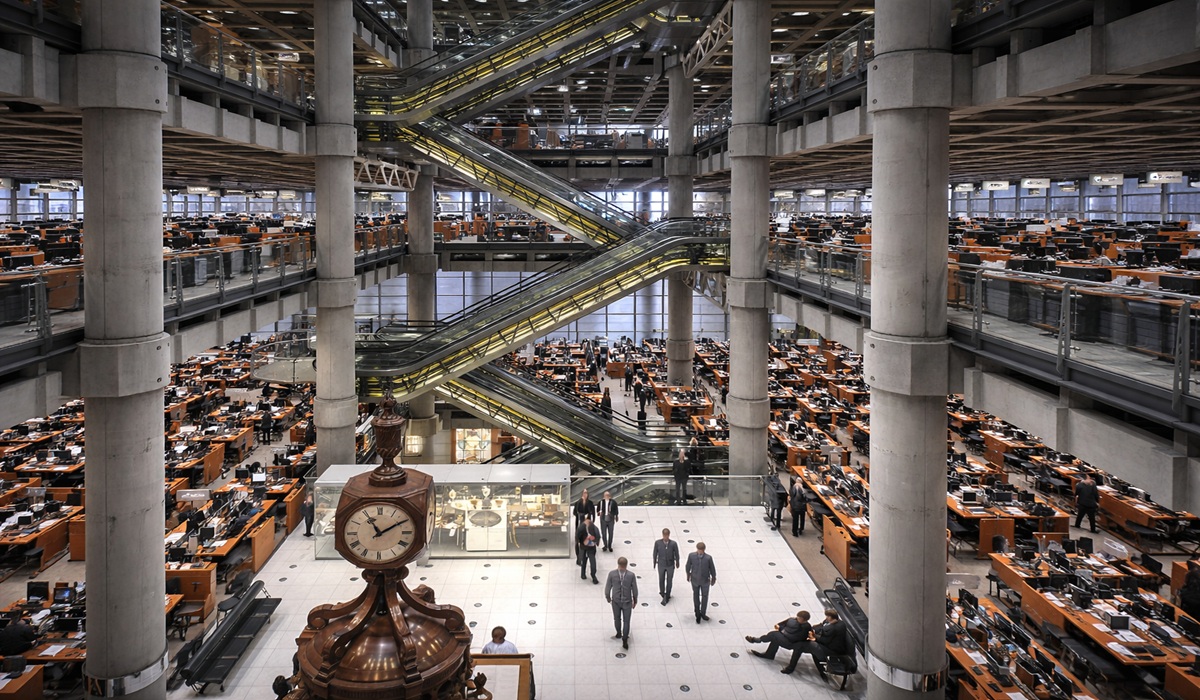
Far from the smoke trails, missile arcs, and satellite imagery that dominate headlines, one of the most decisive theatres in the Iran–US–Israel conflict sits quietly behind polished desks and centuries-old wood panels in London. It is here, in the underwriting rooms tied to Lloyd’s of London, where the global economy’s risk tolerance is priced, measured, and, when necessary, withdrawn entirely. Wars may be fought with weapons, but they are sustained or suffocated by insurance. And in this conflict, that reality is impossible to ignore.
Lloyd’s is not an insurance company in the traditional sense. It is a marketplace, a centuries-old institution dating back to the late 1600s, where syndicates of underwriters collectively agree to insure risk. Originally born out of coffee house conversations among merchants and shipowners, it evolved into the backbone of global maritime insurance. Today, it remains the central nervous system of marine risk, particularly for high-value cargoes moving through volatile regions like the Persian Gulf and the Strait of Hormuz.
At the core of this system sits the Joint War Committee, a body that operates with extraordinary but often misunderstood influence. This committee does not command fleets or deploy weapons, yet it has the authority to redraw the map of global commerce with a single classification decision. When the committee designates a region as a “war risk” zone, it triggers immediate consequences across the shipping and energy sectors. Premiums surge. Coverage becomes restrictive. In some cases, insurers simply refuse to underwrite voyages altogether.
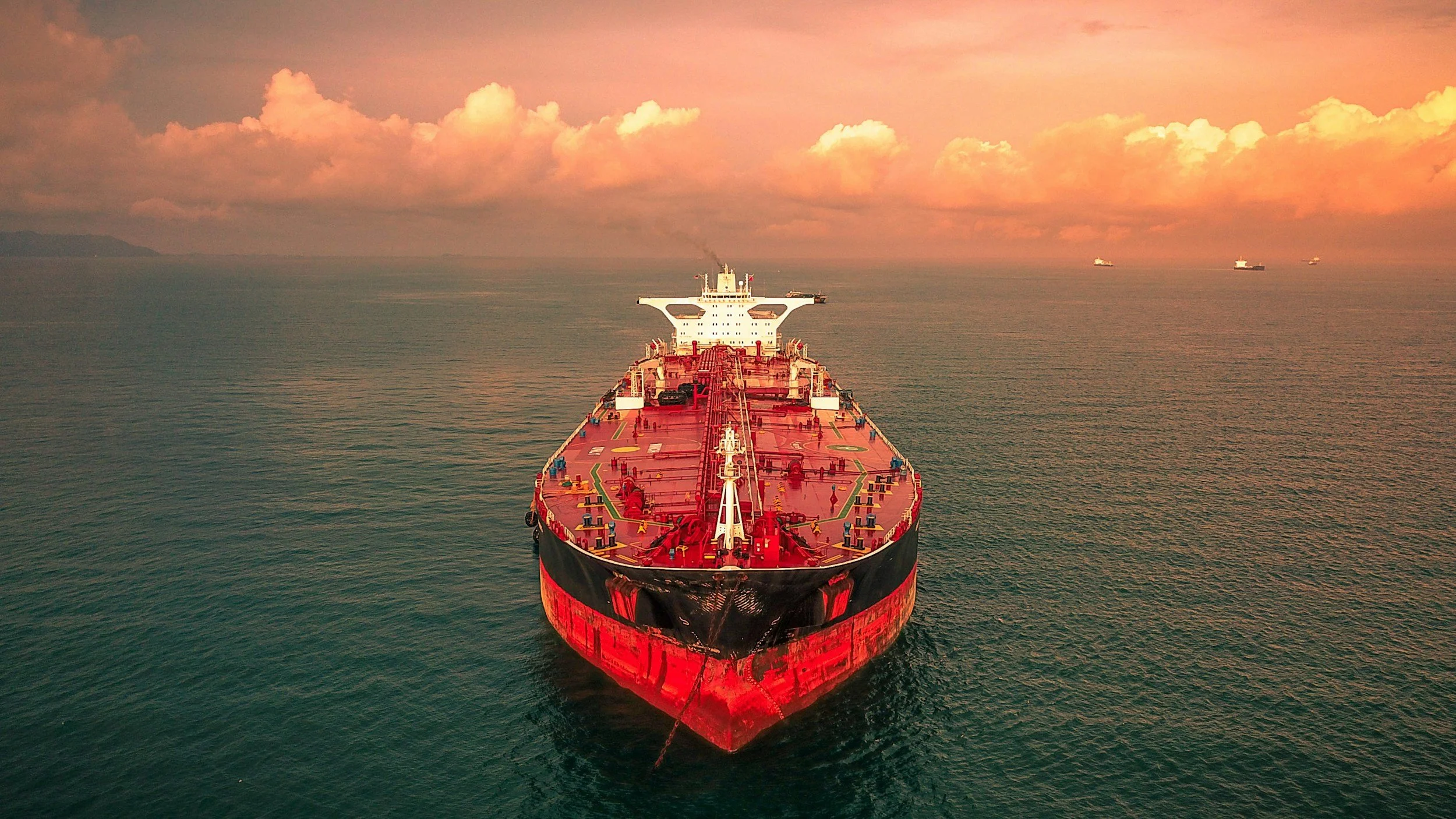
This is where the real leverage emerges. Oil tankers, container ships, and bulk carriers do not move on courage or speculation. They move on insured risk. A vessel carrying $200 million in crude oil is not leaving port without comprehensive coverage that protects against war, piracy, sabotage, and catastrophic loss. Without that insurance, banks will not finance the cargo, ports will not accept the vessel, and shipowners will not assume the liability. The entire chain collapses before a single nautical mile is traveled.
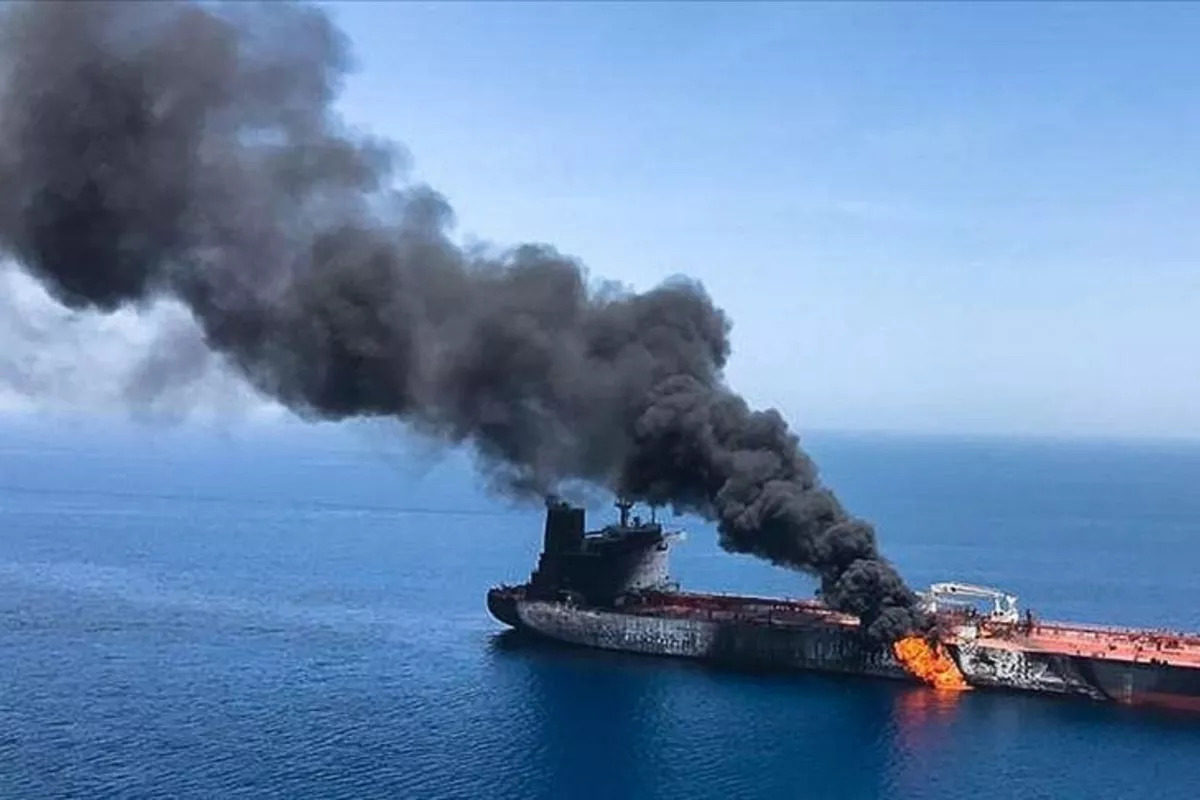
Iran understands this dynamic with precision. It does not need to sink fleets or sustain prolonged naval engagements to exert pressure. The mere credible threat of disruption, whether through missile strikes, drone attacks, or fast-boat harassment, is enough to rattle the underwriting community. Once risk perception shifts, the Joint War Committee responds. Once the committee responds, premiums spike. And once premiums spike into the millions per voyage, the economics of shipping begin to break down.
What once cost $50,000 to insure can climb to $1 million or more in a matter of days when a region is deemed unstable. That increase is not just a line item; it is a signal. It tells shipowners that the risk is no longer manageable within standard commercial margins. It tells traders that deliveries may be delayed or canceled. It tells global markets that supply is no longer guaranteed.
This is asymmetric warfare in its purest form. While the United States and Israel deploy advanced weaponry and conduct precision strikes, Iran leverages uncertainty. It weaponizes risk perception rather than brute force. It understands that global energy markets are not just physical systems but financial ecosystems, deeply dependent on trust, predictability, and insurability.
The power of Lloyd’s and its underwriting syndicates lies in their role as gatekeepers of that trust. They do not decide political outcomes, but they shape the conditions under which economic activity can continue. When they pull back, even slightly, the ripple effects are immediate and global. Oil prices respond. Shipping routes are rerouted or abandoned. Strategic reserves come into play. Governments begin to feel pressure not just from military developments, but from economic instability.
What makes this even more significant is the speed at which these decisions translate into real-world consequences. Military campaigns unfold over weeks and months. Insurance markets react in hours. A single incident, or even a credible threat of one, can lead to an overnight reassessment of risk. By the time the public hears about an escalation, the cost of insuring a tanker may have already doubled.
This creates a paradox. The most powerful lever in the conflict is not necessarily controlled by the nations dropping bombs or launching missiles. It is influenced by a network of private underwriters whose primary mandate is not geopolitical strategy, but risk management. Yet their decisions effectively determine whether oil flows continue or stall, whether supply chains remain intact or fracture.
For Iran, this is a strategic equalizer. It cannot match the combined military might of the United States and Israel in conventional terms. But it does not need to. By targeting the economic arteries of the conflict, it forces its adversaries into a different kind of battlefield, one where escalation carries global financial consequences.
The Strait of Hormuz, through which a significant portion of the world’s oil supply passes, becomes less a physical chokepoint and more a psychological one. Every tanker that enters that corridor does so under the shadow of risk assessments made thousands of miles away in London. Every insurance premium reflects not just current conditions, but anticipated threats.
In this environment, war is no longer confined to geography. It extends into financial systems, insurance models, and corporate boardrooms. The Joint War Committee does not fire missiles, but it can ground fleets. Lloyd’s underwriters do not blockade ports, but they can make them economically inaccessible.
And that is the uncomfortable reality at the heart of this conflict. The battlefield that matters most is not always visible. It does not appear in footage or headlines. It exists in calculations, in risk models, and in quiet decisions that determine whether the world’s most critical shipments move or stand still.
As long as that remains true, the balance of power will not be decided solely by military strength. It will be shaped, just as decisively, by those who decide what risks are worth taking, and what risks are simply too expensive to bear.
About The Author