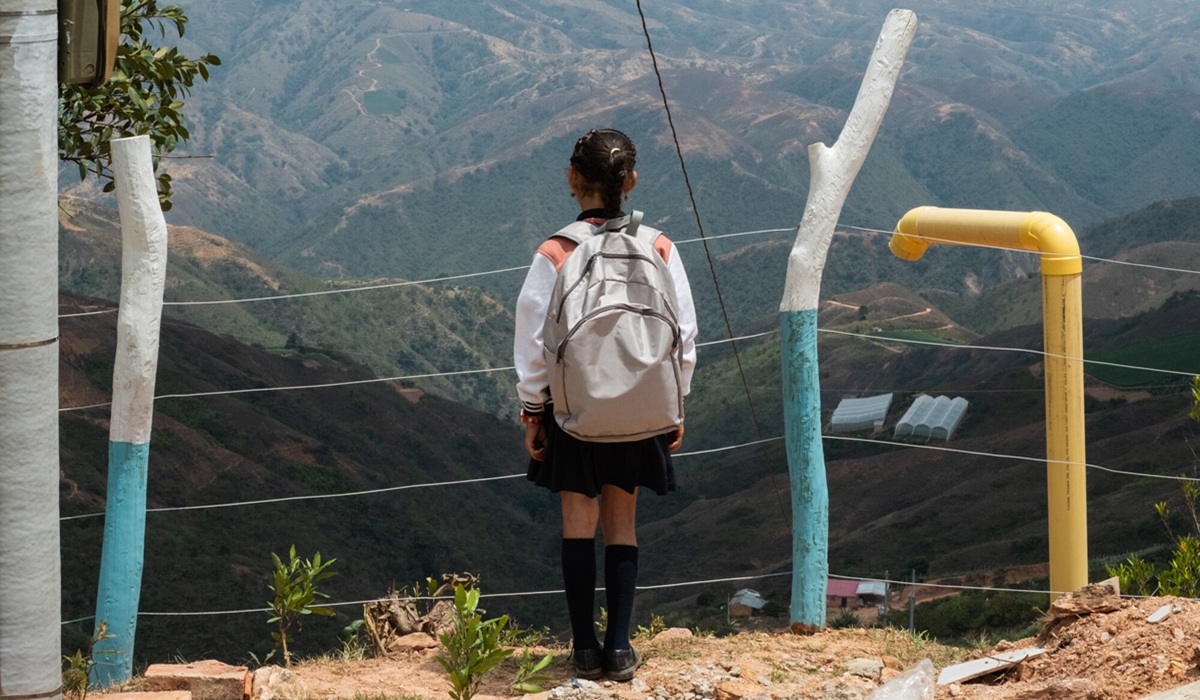
Attacks on Schools Persist in Colombia, Leaving Thousands of Students at Risk
- Naomi Dela Cruz
- Breaking News
- Latin
- March 12, 2026
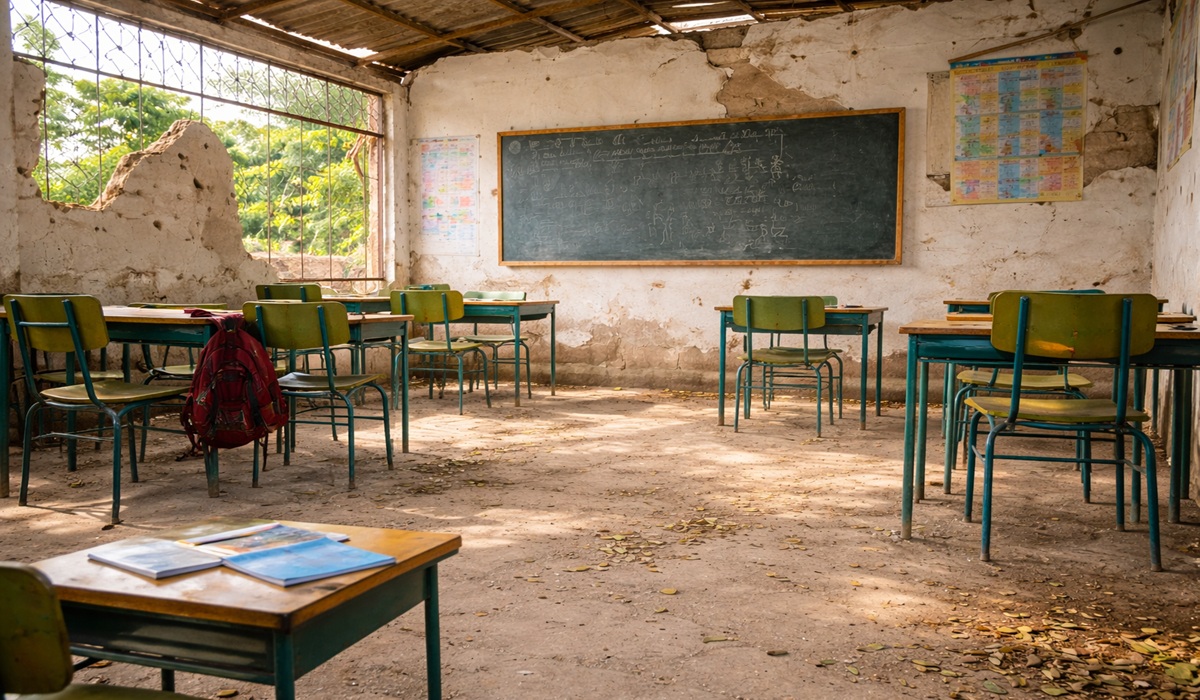
Across large parts of Colombia, classrooms that should be places of safety and learning are increasingly becoming spaces touched by the realities of armed conflict. A new warning from the Norwegian Refugee Council (NRC) suggests that the situation facing students and educators remains deeply concerning, with attacks on education continuing throughout 2025 at an alarming pace.
According to findings from the humanitarian organization, the life of a student or teacher in Colombia was put at risk every single hour last year. The report documents a pattern of violence and disruption that has transformed many schools into areas of danger, affecting thousands of children, educators, and families who rely on education not only as a path to opportunity but also as a critical source of stability and protection.
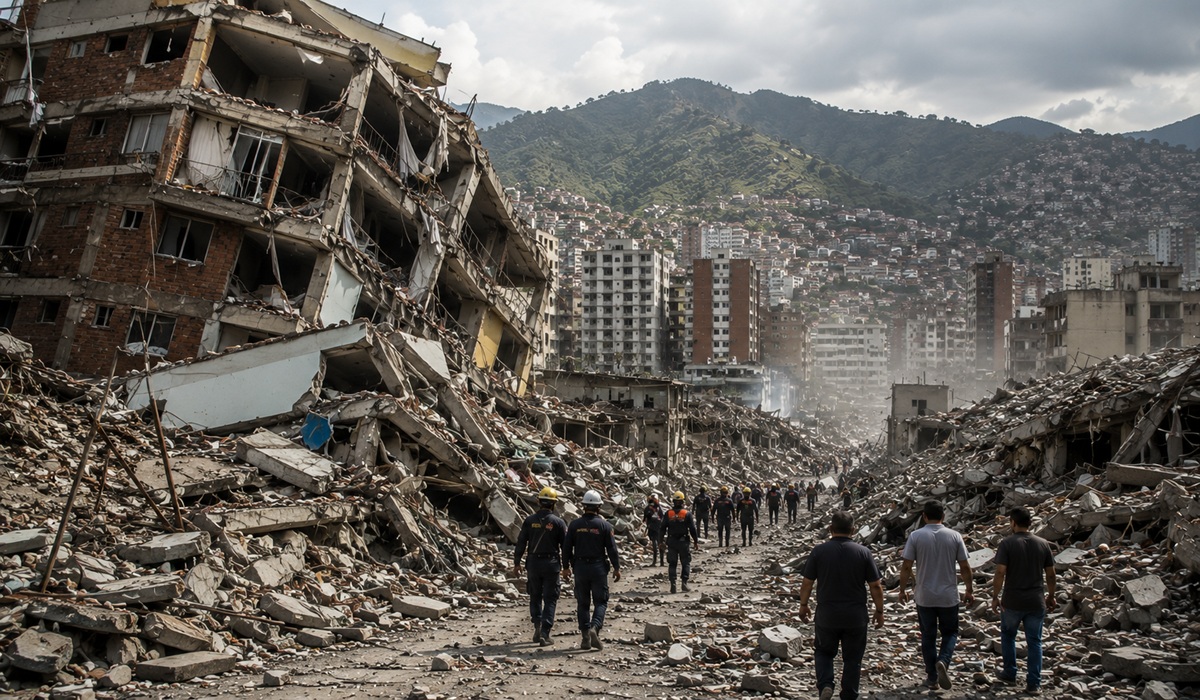
NRC’s analysis indicates that at least 83 attacks on education were recorded in 2025, affecting more than 11,000 people and impacting 104 schools across nine departments where the organization provides humanitarian assistance. The affected regions include Antioquia, Arauca, Cauca, Chocó, La Guajira, Nariño, Putumayo, Norte de Santander, and Valle del Cauca. In many cases, these incidents involved armed clashes taking place within school grounds, the placement of explosives in or around educational facilities, and the use of school buildings by armed groups as temporary military bases.
For those living in communities where the conflict remains active, the consequences are immediate and deeply personal. Teachers and students often find themselves caught in situations they have little control over. In Chocó, in western Colombia, one teacher described how armed fighters entered a school while classes were still underway. When the fighting ended, educators were left to deal with the aftermath themselves, collecting shell casings and cleaning debris left behind in classrooms meant for learning.
Humanitarian workers warn that such incidents do more than interrupt education for a day or a week. When schools are occupied or damaged, the closures can stretch for long periods of time, leaving children without a place to study and often without reliable access to meals and health services that many schools provide. In communities facing poverty and instability, the loss of those services can have immediate effects on children’s wellbeing.
The report also points to broader risks tied to the disruption of education. Armed groups have reportedly targeted schools for the recruitment of children, while displacement and violence have forced some families to flee their homes entirely. Teachers themselves have not been immune to the conflict, with cases of intimidation and targeted killings further deepening the sense of insecurity surrounding educational institutions.
Another troubling finding from the NRC report is the frequency with which schools have been used for military purposes. In the areas surveyed, 31 schools were occupied or used by armed groups during 2025, which equates to roughly one school every 12 days. Such practices not only interrupt the school year but also undermine the principle that classrooms should remain neutral spaces even in times of conflict.
Humanitarian organizations argue that protecting education must remain a central priority. When children lose access to schooling, the long-term consequences extend far beyond the immediate disruption. Education often represents one of the few pathways toward stability, opportunity, and peace for young people growing up in areas affected by violence.
Funding challenges are also complicating the response. Humanitarian support aimed at addressing the needs of populations affected by conflict in Colombia dropped significantly between 2024 and 2025. According to international estimates, total humanitarian funding declined from roughly 207 million dollars in 2024 to about 98 million dollars in 2025. Of that amount, only a small portion—around 4.4 percent—was directed toward education programs.
The reduction in funding has also limited the scope of monitoring efforts. In 2024, humanitarian actors were able to document attacks on education in 14 departments. In 2025, that number dropped to nine departments due to resource constraints, meaning the full scale of incidents nationwide may not be completely captured in the available data.
Colombia has endorsed the Safe Schools Declaration, an international political commitment designed to protect students, teachers, and educational institutions during times of armed conflict. The declaration calls on governments and armed actors to avoid using schools for military purposes and to take concrete measures that ensure learning can continue safely even in unstable environments.
For humanitarian groups and educators alike, the message is straightforward: classrooms must remain places of protection rather than battlegrounds. While Colombia has made progress in various peace efforts over the years, the continued targeting and disruption of schools shows that the impact of armed conflict still reaches deeply into the daily lives of children.
As the country continues working toward lasting stability, many observers argue that safeguarding education will be essential. For thousands of Colombian students, a safe classroom represents more than just a place to learn. It is often the first step toward breaking cycles of violence and building a more secure future.
About The Author