Iran Names Mojtaba Khamenei as New Supreme Leader, Bringing Continuity to the Future of the Islamic Republic
- Hami Aziz
- Breaking News
- Middle East
- March 9, 2026
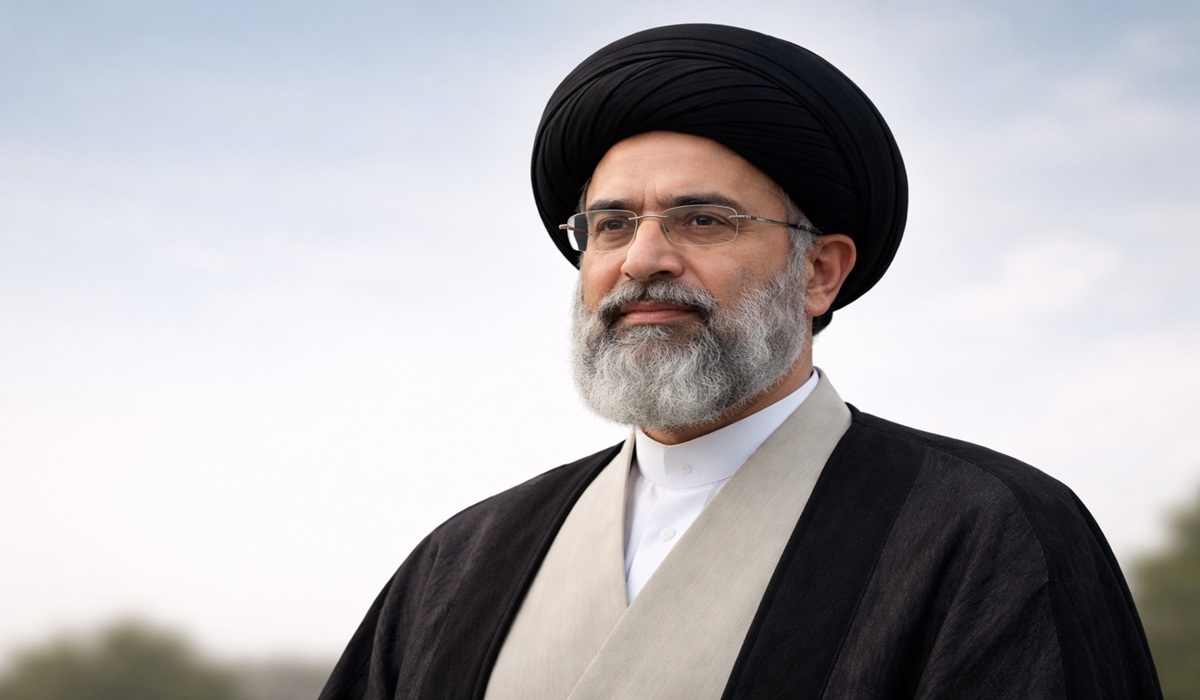
Iran has entered a new and uncertain chapter after authorities confirmed that Mojtaba Khamenei, the son of long-time Supreme Leader Ali Khamenei, has been chosen to assume the country’s most powerful position. The announcement has already triggered widespread debate inside Iran and across the international community about what direction the Islamic Republic may take under a leader widely believed to hold even more rigid ideological views than his father.
For decades, the position of Supreme Leader has defined the ultimate direction of Iranian politics, foreign policy, and national security. The office oversees the armed forces, intelligence agencies, judiciary, and much of the country’s political structure. Whoever occupies that role ultimately shapes how Iran engages with its own citizens as well as the broader Middle East and global powers.
Mojtaba Khamenei is not an unfamiliar figure within Iran’s political establishment. Though he has operated largely behind the scenes for many years, analysts have long viewed him as deeply connected to powerful networks within the Islamic Revolutionary Guard Corps and the clerical establishment that supports the current system of governance. His rise to the supreme leadership position signals continuity rather than transformation, reinforcing the structure that has governed Iran since the 1979 revolution.
Some observers believe Mojtaba Khamenei’s leadership could mark a more uncompromising phase of governance. Reports from within Iran have often described him as holding strongly conservative religious and political views, even by the standards of the country’s existing leadership. If those assessments prove accurate, the coming years could see a government that maintains a firm grip on domestic politics while continuing to resist Western pressure.
Yet the story unfolding in Iran is not only about ideology or succession. It is also about the broader geopolitical storm that has surrounded the country for years and intensified through recent conflicts across the Middle East. Military confrontations, covert operations, and escalating regional tensions have placed enormous pressure on governments and societies throughout the region.
In Washington and Tel Aviv, some political leaders have openly discussed the idea of regime change in Iran as a strategic objective. The theory behind that approach has long been that increased pressure, isolation, or military confrontation could weaken the Islamic Republic’s leadership and lead to a new political order. However, history repeatedly shows that such external pressure often produces the opposite effect.
Instead of fracturing governments, outside threats frequently consolidate internal power structures. Political elites close ranks, security forces strengthen their influence, and nationalist sentiment rises among populations that feel their sovereignty is under attack. In that context, the emergence of Mojtaba Khamenei as Supreme Leader may represent exactly the type of continuity that many advocates of regime change hoped to avoid.
For ordinary Iranians, the consequences of these geopolitical struggles are far more immediate than the strategic calculations of foreign capitals. Years of sanctions, economic instability, and political isolation have already weighed heavily on the country’s population. Inflation, unemployment, and limited access to global markets have created deep frustration among many citizens who simply want stability, opportunity, and a future free from constant confrontation.
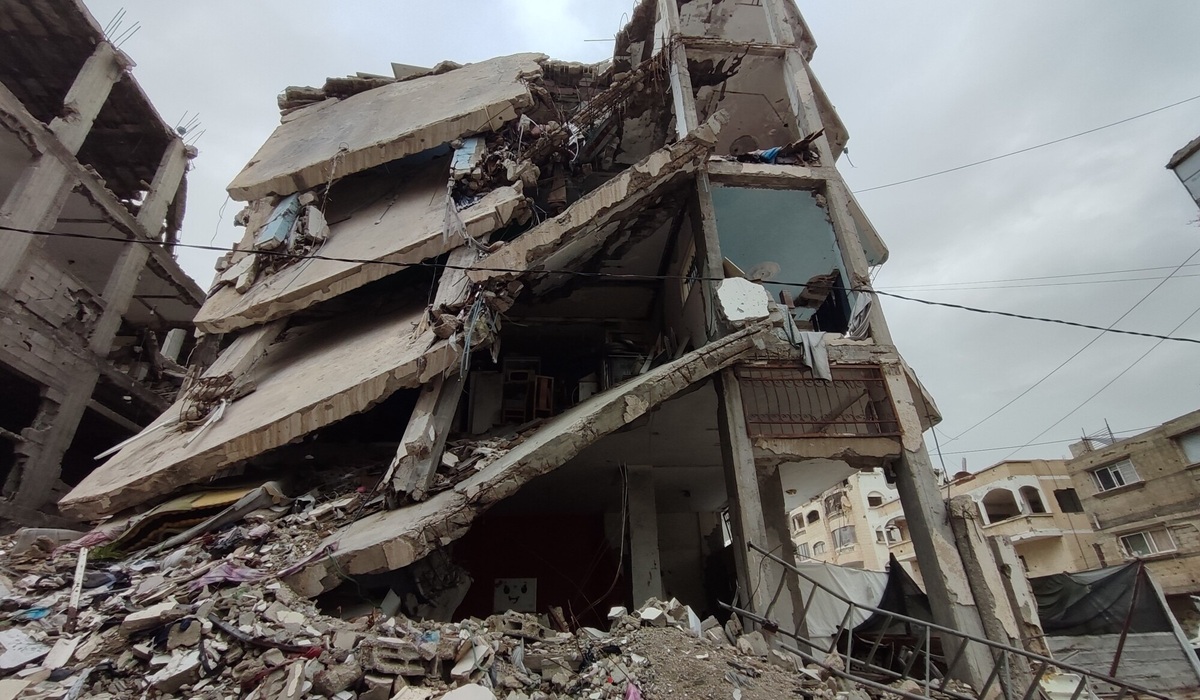
At the same time, people across the wider Middle East have paid an even higher price for the region’s ongoing conflicts. From Lebanon to Syria, Iraq, Gaza, and beyond, millions have lived through cycles of violence that have devastated infrastructure, displaced families, and taken countless innocent lives. Each new escalation risks expanding that suffering even further.
The appointment of a new Supreme Leader in Iran therefore arrives at a moment when many people across the region are exhausted by decades of conflict. Communities that have endured war, sanctions, and political upheaval increasingly share a common desire for something different. They want security, economic recovery, and the chance to rebuild lives that have been repeatedly disrupted by geopolitical struggles far beyond their control.
That broader fatigue with conflict raises an important question about leadership itself. When powerful figures approach international politics primarily through confrontation, the consequences rarely remain confined to boardrooms or diplomatic negotiations. Military campaigns, proxy battles, and aggressive rhetoric have real-world impacts that ripple through entire societies.
History offers a clear lesson that when dangerous men gain power, they often pursue dangerous strategies. Decisions driven by ideology, personal ambition, or geopolitical rivalry can quickly spiral into conflicts that ordinary people never wanted and cannot easily escape. The people of the Middle East, like people everywhere, are not asking for endless confrontation. They are asking for stability, dignity, and the chance to live without constant fear of war.
Iran’s leadership transition will now become a central factor in shaping the next phase of regional politics. Mojtaba Khamenei’s actions, policies, and tone toward both his own citizens and the outside world will determine whether tensions continue to escalate or whether opportunities for diplomacy might still emerge.
For the Iranian people themselves, the hope remains that the future will eventually move beyond cycles of sanctions, confrontation, and internal repression. Their aspirations are not fundamentally different from those of citizens anywhere else in the world. They want economic opportunity, personal freedom, and a government that serves the wellbeing of the nation rather than trapping it in perpetual conflict.
The coming months will reveal whether Iran’s new leadership chooses a path of hardened resistance or seeks a more pragmatic course that acknowledges the exhaustion of a region that has already endured too much suffering. What is clear, however, is that the consequences of these decisions will not remain limited to Iran alone. In a Middle East already burdened by instability, every choice made by powerful leaders carries the potential to either deepen the crisis or begin the long process of easing it.
The idea that a foreign leader could simply “choose” who governs another sovereign nation reflects more political theater than geopolitical reality. Claims that Washington will somehow select Iran’s next leader may resonate with supporters at home, but they ignore how power actually functions inside deeply rooted political systems. Leadership transitions in countries like Iran emerge from internal institutions, networks, and power structures that outsiders cannot simply replace by decree. The notion resembles suggesting that another country could decide who becomes the next Pope when a pontiff dies, as if centuries-old processes and institutions could be overridden from abroad. Such rhetoric may energize a political base, but it risks misleading the public into believing that regime change is a switch that can be flipped from Washington, rather than a complex and often unpredictable process shaped primarily by the people and structures within the country itself.
About The Author