On Criticism, Power, and the Burden of Speaking
- TDS News
- Middle East
- Tiger's Eye Advisory Group - Trending News
- July 15, 2018
By: Donovan Martin Sr, Editor in Chief
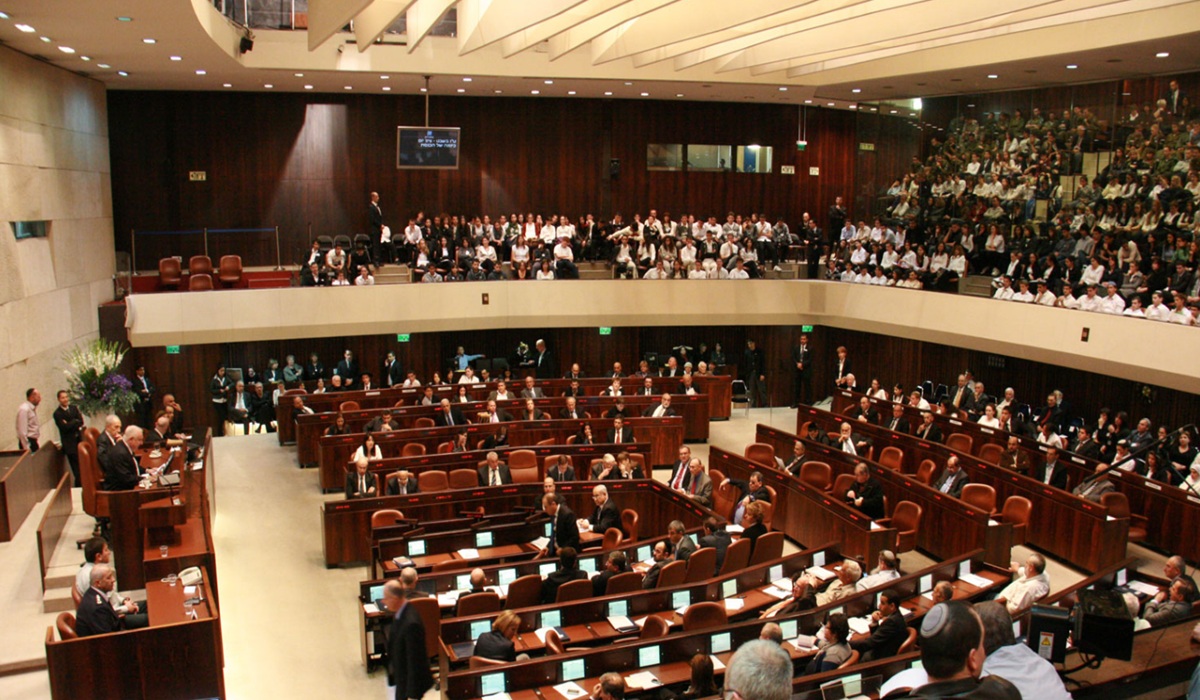
Image Credit, wiki/Knesset
There is something profoundly troubling about the way criticism of the Israeli government has been framed in contemporary political culture. It has reached a point where raising even the mildest concern about the humanitarian catastrophe unfolding in Gaza, or asking valid questions about long-standing policies in the West Bank, immediately triggers accusations of antisemitism. The dynamic is so swift and so predictable that it almost feels rehearsed, as though public discourse has been boxed into a narrow script where only one type of conversation is permissible. It becomes difficult to acknowledge the suffering of Palestinians without being accused of harboring hatred toward Jewish people, even though the criticism is about state policy, political decisions, and the consequences of those decisions on vulnerable populations.
This conflation is not accidental. It has been reinforced for decades by powerful institutions, political alliances, lobbying networks, and deeply emotional narratives rooted in the trauma of Jewish history. The shadow of the Holocaust is real and important, and the world has a moral responsibility to never forget it. But remembering past atrocities should not create a blanket immunity for any government from legitimate scrutiny, especially when the actions of that government have direct consequences for millions of lives. The challenge lies in breaking through the emotional fog and reclaiming the clarity that criticizing a state is not the same as criticizing a people. It is a distinction the world effortlessly makes with every other nation, yet somehow struggles to maintain here.
Politicians in many countries have internalized this dynamic to the point of paralysis. They know that if they question Israeli policy, particularly in moments when images of devastation are flooding global screens, they risk the backlash of donors, pressure groups, and political operatives who can shape the fate of elections. The fear of being labeled antisemitic is potent enough to silence seasoned leaders who have spoken freely on issues of war, injustice, or inequality elsewhere. Even journalists, academics, and artists tread lightly, aware that one poorly phrased sentence can jeopardize their careers. The environment this creates is not one of moral clarity, but of moral timidity, where truth is overshadowed by political calculation.
This raises uncomfortable questions about the state of democratic conversation itself. If certain governments cannot be criticized without social and political retaliation, what does that say about the integrity of free speech? If elected representatives prioritize re-election over truth, how do citizens trust their leaders to act with moral courage? And if the default response to humanitarian criticism is not dialogue but condemnation, what hope is there for the honest, mature reflection required to address systemic injustice? There is a growing sense that the space for thoughtful engagement has been replaced with an arena where labels, not facts, dictate the boundaries of debate.
Changing this reality requires a collective willingness to confront fear with nuance. It demands compartmentalization—the ability to respect Jewish communities globally while challenging the actions of the Israeli state. It requires amplifying voices that have long been overshadowed, including the many Jewish individuals who oppose occupation, apartheid conditions, and cycles of violence. It requires political leaders willing to withstand the discomfort and speak plainly about what they see, not what their donors want them to say. And above all, it requires a broad social understanding that criticism is not an act of hatred but often an act of conscience. When people witness suffering, they speak. When they see injustice, they respond. Silencing that response through accusations meant to intimidate does not protect communities; it only serves power.
The world stands at a crossroads. Either it continues to let fear guide the narrative around Israel and Palestine, or it chooses honesty, empathy, and the courage to separate identity from policy. A healthier, more humane conversation is possible—but only if people reclaim their right to speak without the weight of false accusations pushing them into silence.
About The Author