Dubai Was Never the Problem — Why the World’s Investment Crown Jewel Still Holds Its Ground
- TDS News
- Middle East
- Business
- Trending News
- April 17, 2026
By: Donovan Martin Sr, Editor in Chief
Since the outbreak of conflict across parts of the Middle East that drew regional attention toward the Gulf, a noticeable shift has taken hold among Canadian investors. The reaction has been swift and, in many cases, decisive, with capital moving away from the region toward places perceived as simpler or more familiar. Mexico and the Dominican Republic have seen renewed interest, while developing markets like El Salvador and select parts of Africa are now being explored with urgency. At the same time, many Canadians continue to keep their distance from the United States, leaving a gap where investment capital is actively searching for direction.
What has been overlooked in that shift is the difference between regional headlines and local reality. The United Arab Emirates has built its reputation on stability, neutrality, and a business-first approach that has consistently separated it from broader geopolitical volatility. While perception has changed from the outside, the underlying framework that governs investment, ownership, and day-to-day life has remained steady, and that consistency is what originally built long-term confidence among international buyers.
For years, investors were drawn to the Gulf because it offered something few markets could match at scale. The environment was structured, secure, and designed to support foreign ownership in a way that felt predictable and enforceable. The appeal extended beyond the skyline and lifestyle, because the real value came from a system where regulations were clear, taxation was favourable, and infrastructure supported long-term growth rather than speculation. That foundation continues to hold, even as attention has shifted toward other regions.

The pull toward alternative markets is understandable in a global environment shaped by uncertainty, but it also reflects a gap in understanding how this market actually functions on the ground. Emerging destinations may offer upside, but they do not yet replicate the level of consistency, enforcement, and long-term planning that has been built over decades. For investors who prioritize both growth and stability, that distinction becomes increasingly important once the initial reaction to headlines begins to settle. This is where leadership inside the real estate space becomes a defining factor in decision-making.
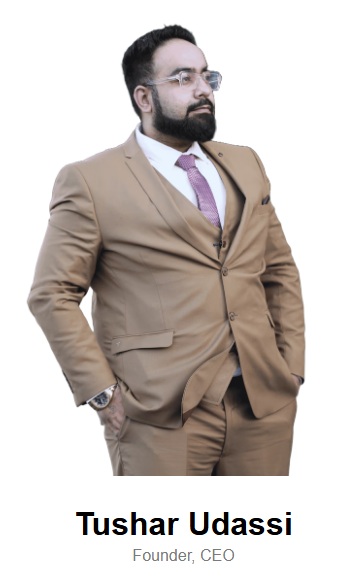
At Booming Realm Real Estate LLC, the focus is not on chasing narratives but on reinforcing what continues to work. Under the leadership of Tushar Udassi, the firm operates at a level that reflects both scale and consistency, which is what places it among the upper tier of brokerage operations globally. The volume of properties he oversees, lists, sells, and manages is not only significant, but sustained, and that level of activity signals a deeper alignment with where the market is heading rather than where it has been.
For investors, that presence translates into confidence that is difficult to manufacture. Working with a firm operating at that level creates a different experience, one that feels structured and deliberate rather than transactional. Clients are not simply being shown opportunities, but are guided through a process that connects each decision to a broader investment strategy. That approach becomes especially valuable for Canadians navigating the market from a distance, where clarity and trust are often the deciding factors.
The philosophy behind that leadership is evident in how the company operates day to day. There is a consistent emphasis on long-term positioning, on helping clients understand the importance of quality real estate, and on reinforcing that strong investments are built through informed decisions rather than reactive ones. That mindset has become a key reason why investors continue to engage at a high level, even as broader sentiment fluctuates.
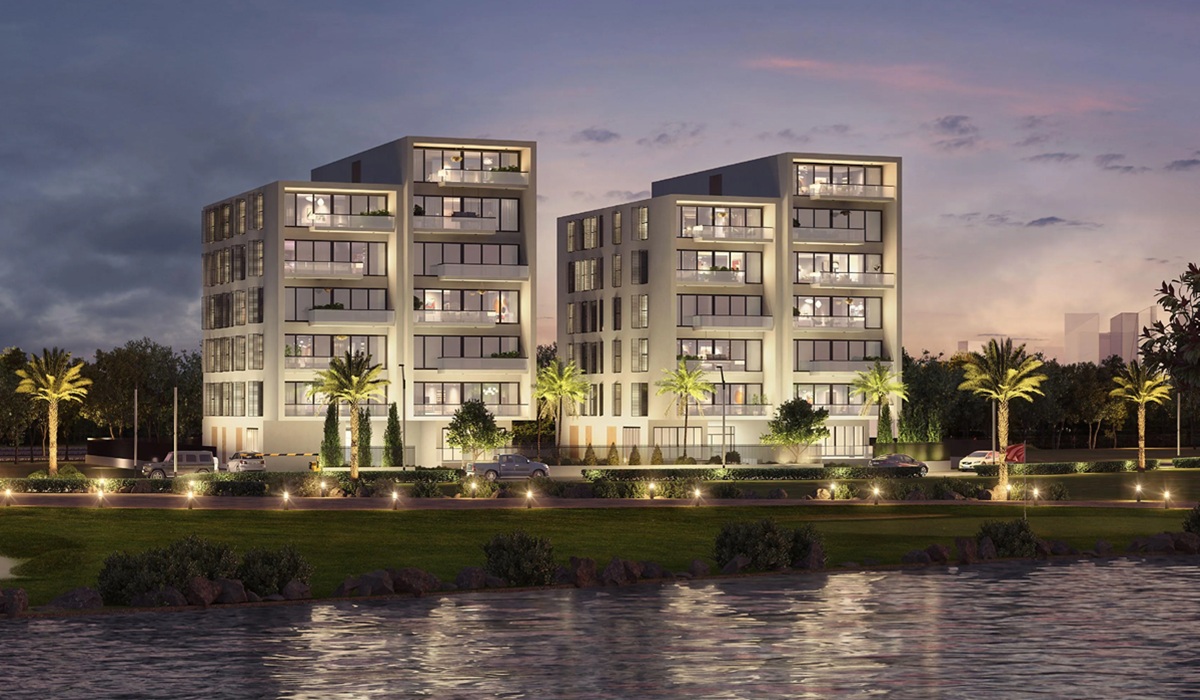
The advantages for foreign investors remain clear and measurable. Ownership structures are designed to encourage international participation, with designated freehold areas that allow full property ownership. The tax environment continues to be one of the most attractive globally, with no property taxes and no capital gains tax in many cases. Rental yields remain competitive, supported by steady demand driven by tourism, business expansion, and ongoing population growth.
Beyond the financial side, the lifestyle component continues to play a direct role in sustaining long-term value. Safety, infrastructure, climate, and overall quality of life remain among the strongest globally, and those factors are not temporary. They are built into the foundation of how the market operates, which is why they continue to support both demand and appreciation over time.
For Canadians who have stepped back, the current moment presents a different kind of opportunity. Reduced competition and shifting perception have created conditions that can favour those willing to take a closer look instead of following the broader retreat. The decision is no longer about choosing one region over another, but about recognizing where proven systems continue to offer both security and growth in a way that newer markets are still working toward.
The market itself has not lost its footing or its value proposition. What has changed is the narrative surrounding it, and that narrative has been shaped more by distance than by direct experience. Investors who take the time to look beyond that gap are beginning to see the same fundamentals that built its reputation in the first place, along with a renewed window of opportunity that is quietly opening again.
About The Author