By Xu Hua, CGTN
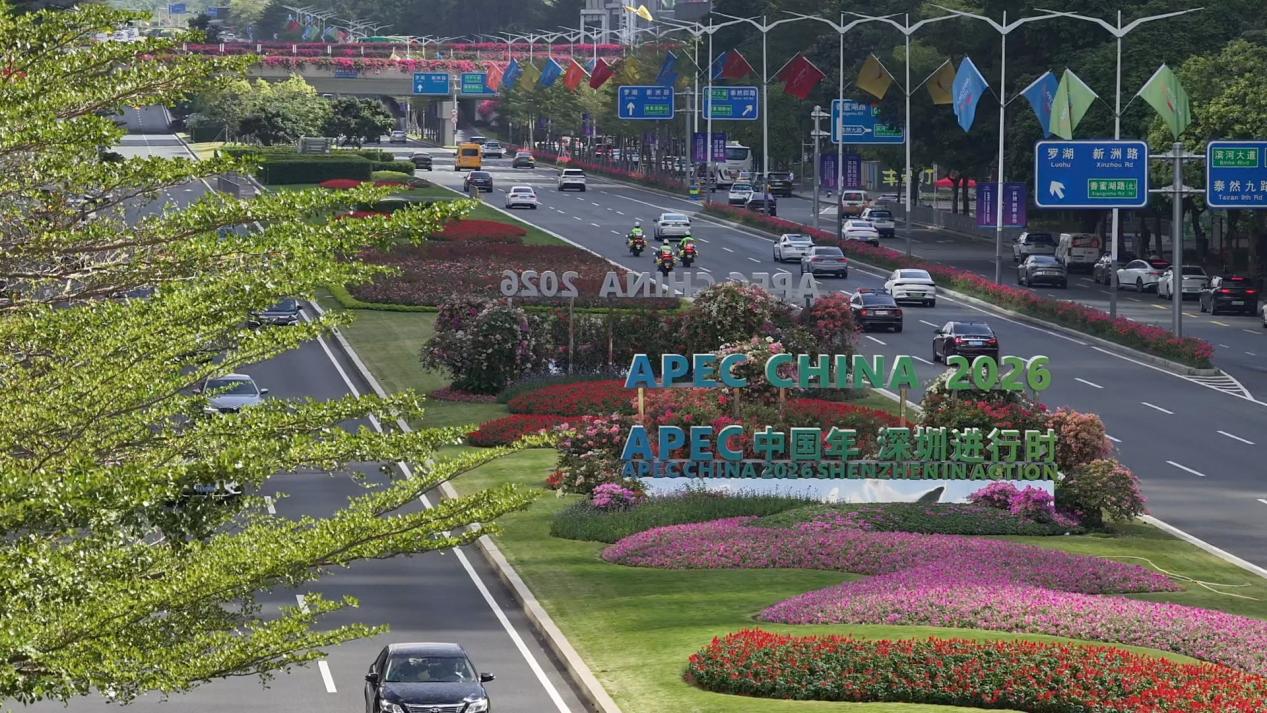
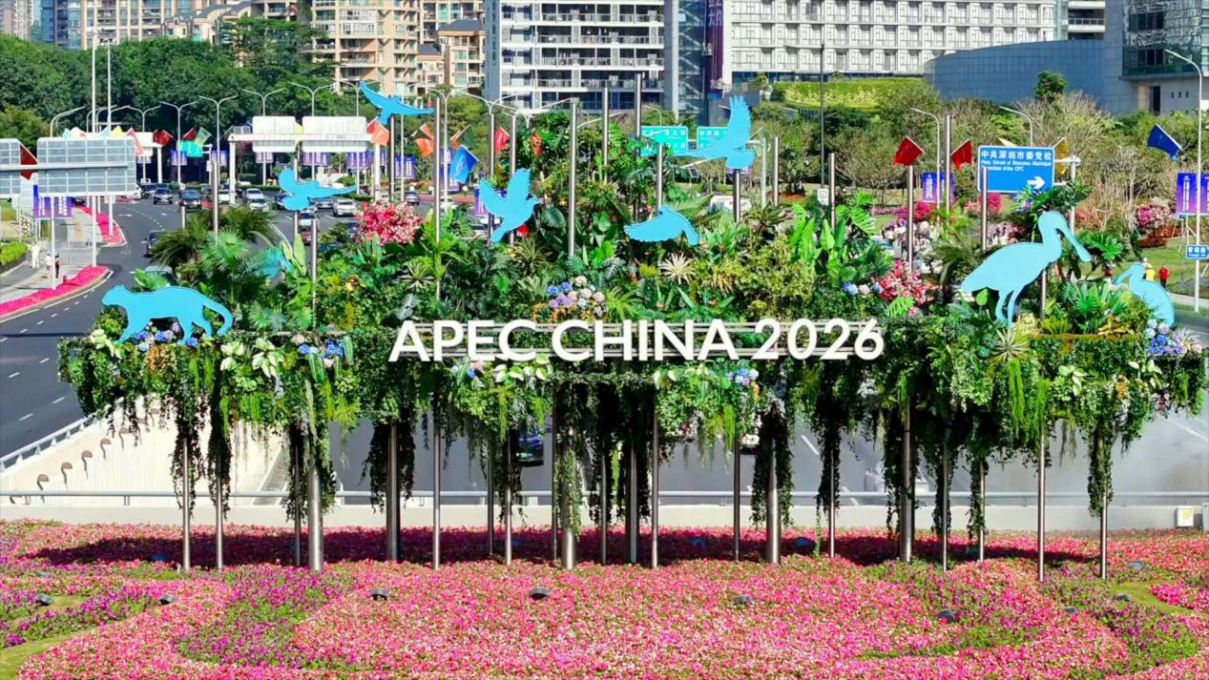
The 33rd APEC Economic Leaders’ Meeting opens in south China’s Shenzhen on Nov. 18 and 19, with 21 economies gathered under the theme “Building an Asia-Pacific Community to Prosper Together.” It is the first time in 12 years that China has hosted APEC, after Shanghai in 2001 and Beijing in 2014. China has set openness, innovation and cooperation as the year’s three priority areas.
Alongside the leaders’ meeting, the 2026 APEC CEO Summit will bring together more than 2,000 representatives from business, government and media on Nov. 17 and 18. Delegations have registered from all 21 economies, with US companies making up the largest share of foreign registrations, according to the China Council for the Promotion of International Trade.
Canadian Prime Minister Mark Carney will attend the leaders’ meeting, following his visit to Beijing in January, when the two countries agreed to build a new type of strategic partnership and signed a China-Canada economic and trade cooperation road map. From March 1, China reduced tariffs on Canadian canola marking a major de-escalation in bilateral trade tensions. Canada, in return, opened an annual quota of 49,000 Chinese electric vehicles.
The momentum has continued since. On Nov. 9, Chinese Vice Premier He Lifeng co-chaired the second China-Canada Strategic Economic and Financial Dialogue in Vancouver with Finance Minister Francois-Philippe Champagne and Maninder Sidhu, Minister of International Trade. He Lifeng said relations had turned for the better under the guidance of both leaders, with bilateral exchanges back on track, and that China is ready to deepen cooperation in trade, finance and investment on the principles of mutual respect, equality and mutual benefit.
Beijing’s choice of host is part of the message. Shenzhen was one of China’s first special economic zones, created as the country began reform and opening-up. In just a few decades, Shenzhen has transformed from a small fishing village into a tech hub, home to Huawei, Tencent, BYD and thousands of startups.
In the first half of this year, Shenzhen’s commerce with other APEC economies rose 33 percent to about 296.8 billion US dollars. Electric vehicles, AI translation earbuds, robots and smart glasses made here are selling across the region, while Australian beef, Southeast Asian seafood, New Zealand fruit — and Canadian canola seed, lobster and crab— move through Shenzhen’s ports into China’s vast consumer market.
“Amid an uncertain world, China stands as the greatest source of certainty,” Wang Wenshuai, spokesperson for the China Council for the Promotion of International Trade, said at an Oct. 30 briefing, adding that businesses across the region are eager to “ride on the development momentum” of China’s 15th Five-Year Plan.
The APEC meeting matters to Canada for a plain reason: Ottawa has set a target of raising exports to China by 50 percent by 2030, and the two days in Shenzhen will show how much of that is within reach.
About The Author