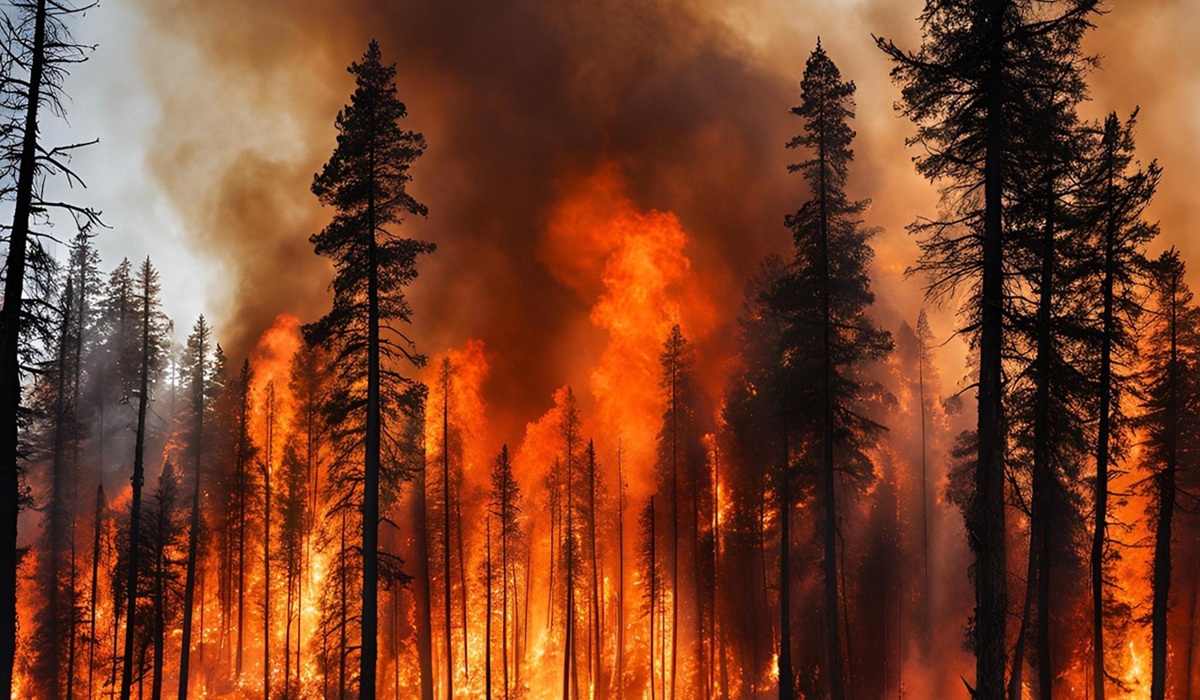
The morning sun beat down on the parched earth of Spokane, Washington, where emergency crews scrambled to contain a massive wildfire that had forced tens of thousands of residents to flee for their safety. Dry conditions and erratic winds created a volatile environment that challenged even the most experienced firefighters.
Law enforcement officials announced the swift arrest of a primary suspect linked to the outbreak of the blaze, bringing a small measure of relief to an anxious community enveloped in thick, acrid smoke. Investigators utilized forensic evidence and eyewitness reports to piece together the events leading up to the ignition.
Governor and local emergency management teams coordinated shelter operations at nearby fairgrounds and schools, offering food and medical aid to families who had grabbed only their most cherished possessions before abandoning their homes. Volunteers flooded community centers with donations of bottled water, blankets, and clothing.
The dense canopy of smoke drifted eastward, turning the daylight into a surreal twilight while firefighters worked tirelessly along containment lines carved through rugged terrain. Helicopters and fixed wing aircraft dropped thousands of gallons of retardant to slow the relentless advance of the fire front.
Local residents shared harrowing accounts of escaping the fast-moving wall of flames that devoured timber and residential structures alike, leaving charred remnants where vibrant neighborhoods once stood. Many community members expressed profound gratitude for the rapid response of local first responders who banged on doors to ensure evacuations.
Federal disaster relief agencies mobilized resources to support the state level response, ensuring that emergency funds and personnel could reach the hardest hit sectors without delay. Interagency coordination allowed for the seamless deployment of specialized heavy machinery and logistical support units.
As aerial drops continued through the afternoon, meteorologists monitored shifting wind patterns that threatened to complicate containment efforts, keeping the entire region on high alert. Forecasters predicted that cooler nighttime temperatures might offer a brief window of opportunity for crews to secure perimeter lines.
Community leaders and municipal planners are already looking ahead to the long term recovery phase, pledging to rebuild infrastructure with enhanced fire-resistant materials. Town hall meetings have been scheduled to provide affected families with counseling services and guidance on navigating insurance claims.
About The Author