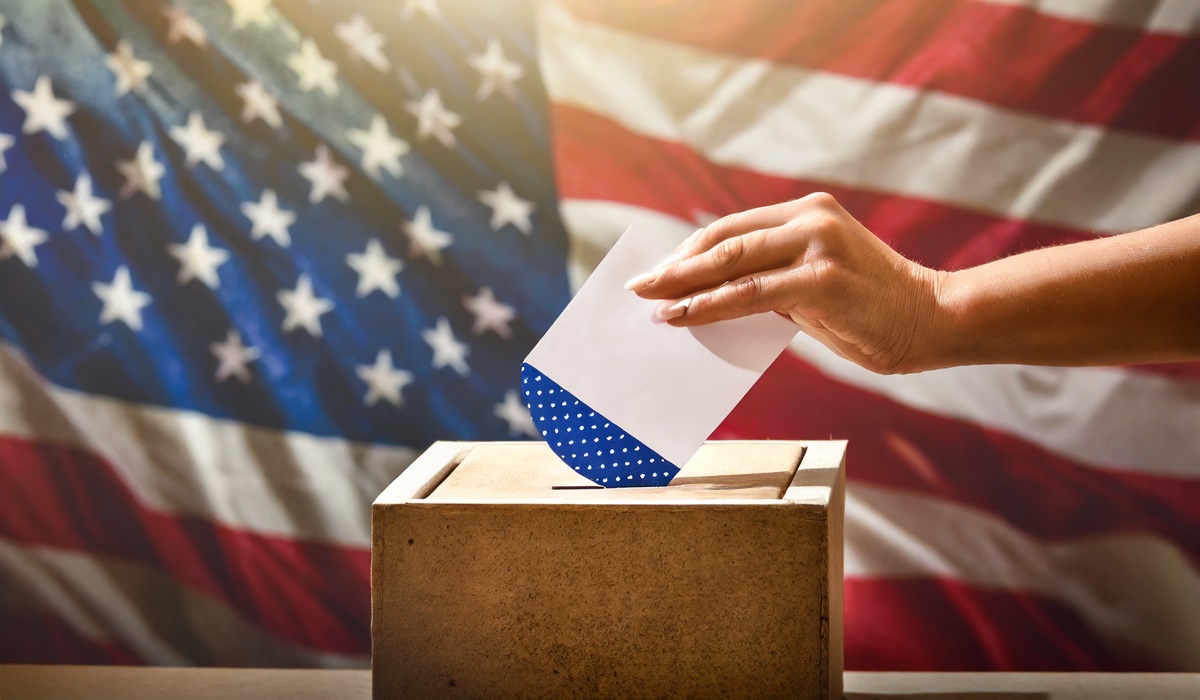
With only weeks remaining before voters head to the polls, the United States is locked in one of the most unpredictable, intensely contested midterm election seasons in recent history. The political temperature across Washington and state capitals has reached a boiling point as both major parties fight for control of a razor-thin Congress. The atmosphere is defined by an unusual mix of economic anxiety, battles over executive authority, and a series of high-profile political gambits that have left seasoned strategists scrambling to recalibrate their final ad campaigns. At the center of the storm is a deeply polarized electorate, where standard party playbooks are failing to yield predictable outcomes and every single congressional district seems to be treating the election as a referendum on the country’s broader destination.
For the ruling administration and congressional leadership, defending their narrow legislative majorities has proven to be an uphill struggle against persistent voter frustration. Concerns over everyday affordability, healthcare costs, and the fast-paced rollout of transformative technologies like artificial intelligence have emerged as dominant themes on the campaign trail. In an effort to directly address household financial pressures, the administration has rolled out targeted economic relief initiatives, including direct checks for healthcare enrollees. However, critics and political opponents have quickly seized on these moves, questioning whether such measures can meaningfully offset broader living expenses or if they represent last-minute electioneering. Even within the president’s own party, prominent senators have publicly urged a sharper focus on core affordability issues, cautioning against political grandstanding when voters are feeling the pinch at the grocery store and the gas pump.
The congressional map itself has become a legal and legislative battlefield. Key Senate races in traditionally blue or swing states are proving surprisingly competitive, forcing national campaign committees to pour tens of millions of dollars into defending seats that were once considered safe. At the same time, open House seats and redrawn district lines have triggered fierce battles, some of which have climbed all the way to the Supreme Court. Recent judicial rulings blocking last-minute voting regulations and disputed congressional maps have added another layer of suspense to an already chaotic race. In states like Missouri and Maine, voters are weighing state-specific issues against national party platforms, creating dynamic matchups where individual candidate brand strength is clashing directly with national political trends.
Adding to the drama is a series of surprising political cross-currents that defy conventional wisdom. High-profile political figures have occasionally broken ranks or made unexpected appearances, highlighting the internal fractures and shifting alliances within both parties. In major metropolitan centers and suburban districts, moderate voters are expressing hesitation over ideological extremity, leaving both parties searching for a messaging balance that can energize their core bases without alienating essential swing voters. Local gubernatorial primaries have shown that even long-serving incumbents are vulnerable if they fail to address grassroots concerns regarding local economic conditions and municipal governance.
As the final countdown begins, both sides are making their closing arguments to an electorate that appears deeply split yet exceptionally motivated. Polling suggests that voter confidence in local election administration remains sturdy, providing a reassuring backdrop to what promises to be a late night on election day. Whether the final tally delivers a decisive mandate or prolongs the era of divided government, the 2026 midterms will undoubtedly reshape the American political landscape for years to come. The outcome will not only determine which party holds the gavel in the House and Senate, but will also set the stage for the legislative battles that will define the rest of the decade.
About The Author