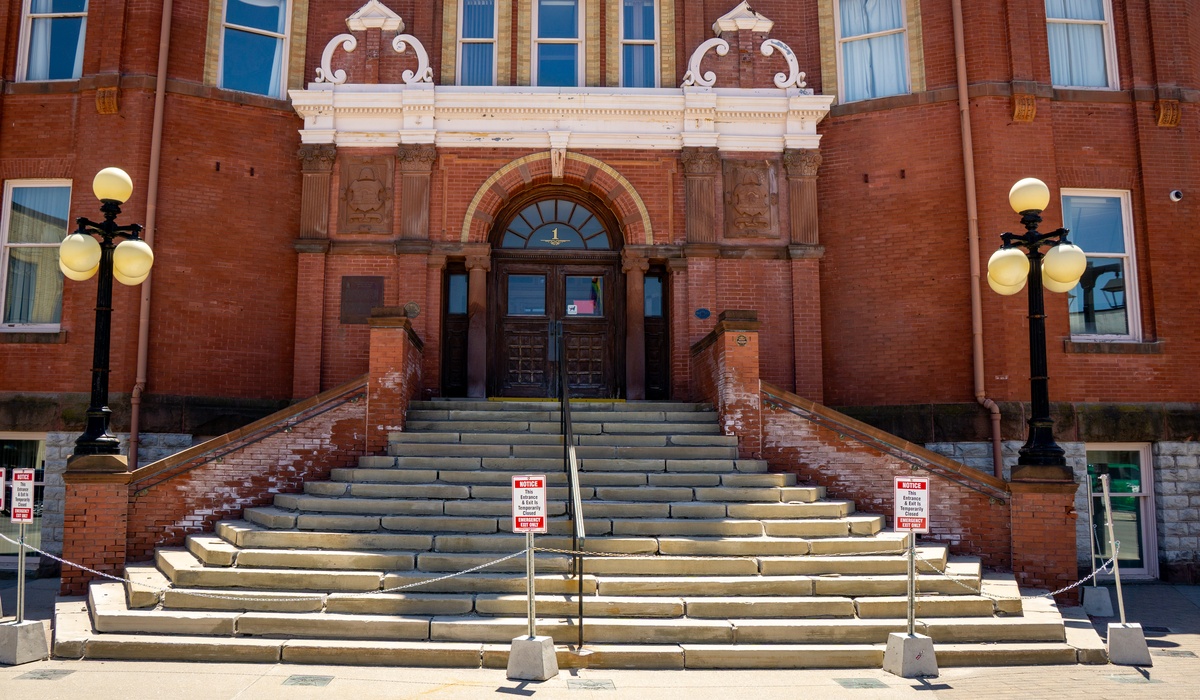
People tend to judge public life by what is in front of them. They know whether a restaurant opens on time. They know whether a clinic feels safe enough to sit in. They notice when a government office can no longer keep its doors open during bad weather. When these places work, the building fades into the background. When they do not, the building becomes part of the public story.
The civic risk hidden inside aging buildings is that their failures rarely seem like public issues at first. They start as rooms that never cool properly or boilers that need one more patch. They continue as leaks that return after each repair or service desks that close for the day. None of it sounds dramatic on its own. Over time, though, small building problems can turn into public frustration, higher costs, and a quiet loss of confidence.
Infrastructure is usually discussed in visible terms. A bridge looks worn. A road cracks under traffic. A water main breaks, and a neighborhood suddenly has to think about what has been underground all along. Buildings are different because many of their most important systems are hidden from public view. The public does not see the mechanical room. It sees the appointment that gets rescheduled. It feels the library’s meeting room becoming harder to use. It notices the office that cannot operate normally.
That matters because public-facing buildings carry more responsibility than people often realize. A school is not only a structure with classrooms. It is where families expect a dependable routine. A municipal office is not only a place where paperwork moves from one desk to another. It is where a resident finds out whether the local government can meet ordinary needs without unnecessary friction. A health facility is not only a building with equipment. It is a place where discomfort and uncertainty can make an already stressful day worse.
Maintenance deserves a more serious place in civic conversations because preventive work rarely produces a headline. That is part of the problem. If a system is cared for before it fails, there is no dramatic moment for the public to remember. The room is usable. The doors stay open. The service continues. Success can look like nothing happened, even when that nothing may have saved money and protected trust.
Too often, the public only hears about building systems after a delay has made the issue expensive. A repair that could have been planned becomes an emergency. A short interruption becomes a longer closure. A building that should have supported public life becomes one more source of public irritation. At that point, the problem is no longer tucked away in a maintenance budget. It has entered the daily experience of the people who depend on the space.
That is why routine mechanical upkeep belongs in the same conversation as staffing and budgets. It is not exciting, and it is rarely visible, but the public feels the consequences when it is ignored. A building can have the right program, the right staff, and the right mission. If the systems inside it cannot support ordinary use, the public still experiences a failure.
There is also a fairness issue in all of this. People with more choices can often avoid unreliable public spaces. They can work somewhere else, seek a private alternative, or adjust their schedules. Many people cannot. A student goes to the school available in their district. A resident uses the office that serves their area. A patient may rely on the closest clinic. When the buildings behind those services decline, the burden does not fall evenly.
This is where the discussion moves beyond property management. Aging buildings can expose what a community has chosen to postpone. They can reveal whether leaders are willing to care for existing assets, not just announce new projects. New construction is easier to celebrate because it offers a visible symbol of progress. Maintenance is less glamorous, but it is often where the public learns whether an institution can manage responsibility over time.
The same pattern shows up in other hidden systems. The public rarely thinks about water infrastructure until a problem forces attention, which is why conversations about aging pipes and public health can quickly move from technical concerns to civic concerns. Buildings deserve similar seriousness. They are not as dramatic as a collapsed bridge or as obvious as a broken road, but they are where many public promises are carried out.
This is the civic risk hidden in aging buildings: they can fail the public long before they look like a crisis. A library that becomes uncomfortable during extreme heat may still be standing. A clinic that struggles through repeated repairs may still be open most days. A school that works around recurring system issues may still appear functional from the outside. Yet each of these problems chips away at the feeling that public institutions are prepared, reliable, and worthy of confidence.
Climate pressure makes that question harder to ignore. Buildings that once performed well enough may struggle under heavier demand. Extreme heat can turn a public space into a test of basic comfort. Severe weather can expose weak points that were easy to overlook during calmer seasons. When communities talk about resilience, they often focus on emergency plans. Those plans matter, but so does the ordinary building that has to remain usable when people need it most.
None of this means every aging building is a failure or that every system problem points to neglect. Buildings are complicated, public budgets are limited, and older structures often carry histories worth preserving. The issue is not age alone. The issue is whether communities treat age as a reason for steady care or as an excuse to wait until something breaks.
That choice has consequences. Public trust is not built only through speeches, policy goals, or campaign promises. It is built through the repeated experience of institutions doing ordinary things well. People remember whether the office was open, whether the room felt safe, and whether the service was available when it was needed. They may not know which systems made that possible, but they know when those systems stop doing their job.
A building does not have to collapse to fail the public. Sometimes the failure is quieter. It is the closed library, the overheated waiting room, or the repair bill that arrives after years of postponement. If communities expect public institutions to function with competence and care, then the hidden systems inside aging buildings deserve far more attention than they usually receive.
About The Author