As summer gets closer, the risk of heat exhaustion can rise sharply. Longer days, higher temperatures, humidity, and outdoor routines can place more strain on the body. This makes it essential to learn how to safeguard your loved ones from heat exhaustion before symptoms appear.
Why Families Should Prepare for Extreme Heat
Although you may think of heat as a summer condition that no one can avoid, families should still prepare for heat-related issues, since exhaustion can develop faster than many expect. This can occur on long, humid days when people have limited access to cooling. A person may begin the day feeling healthy and still experience issues after spending too much time in a hot environment.
You should also prepare because these emergencies become harder to handle once symptoms begin. Children may not recognize that they are overheating, older adults may avoid asking for help, and busy parents may overlook early warning signs while managing work and household responsibilities. Families who plan are better positioned to respond calmly when temperatures rise.
Recognize the First Signs of Trouble
One way to safeguard your loved ones from heat exhaustion is to become aware of its symptoms. A person may complain of a headache, feel faint, sweat heavily, develop cramps, seem unusually tired, or feel nauseated after time in the heat. Those symptoms deserve attention right away, because waiting for a dramatic collapse gives the body more time to lose its ability to cool itself.
Monitor Children and Older Relatives
It is important for parents and caregivers to closely supervise children during extreme heat, since kids may not express thirst, dizziness, or weakness in a way adults immediately understand. Watch for slowed play, flushed skin, unusual quietness, stomach complaints, or frustration that seems stronger than the situation warrants.
Older relatives deserve the same attention, especially when they live alone or try not to burden others. When you check in on them during hot weather, ask about room temperature, water intake, appetite, dizziness, sleep, and whether they have avoided using cooling equipment due to cost. Respectful concern works better than scolding, because older adults may accept help more readily when relatives frame it as shared planning rather than supervision.
Keep Your Home From Becoming a Heat Trap
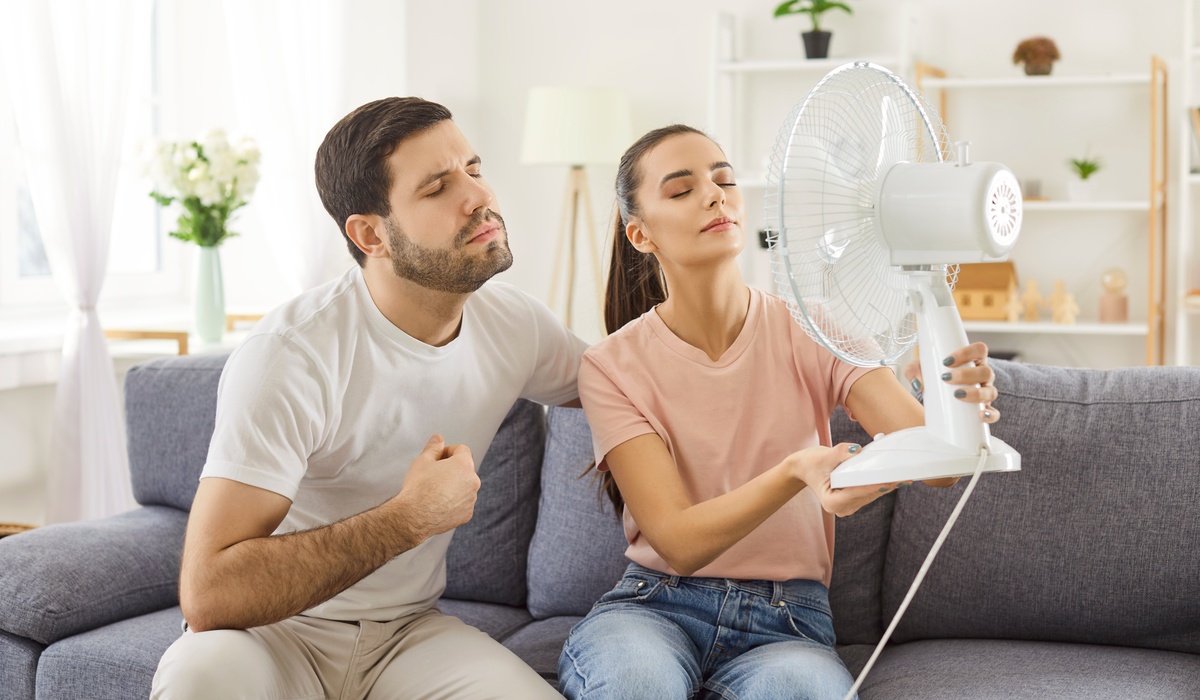
Your home can either protect people from heat or trap it around them after the sun goes down. Families should close curtains during direct sunlight, reduce oven use during the hottest hours, run fans safely, seal obvious drafts, and create one cooler room where vulnerable relatives can rest.
If a house struggles to hold cooler air, it may indicate a larger issue. For example, you may want to look for the signs your home needs replacement insulation or ensure that your HVAC system is working properly.
Heat exhaustion can affect someone who spent the whole day inside if the home remains hot and humid. Families should treat indoor temperature as part of health planning.
Adjust Your Family’s Routines
Families should rethink daily schedules during periods of extreme heat, because routine activities can become much harder on the body when temperatures remain high for several hours. For instance, yardwork and outdoor gatherings put people under greater physical stress during the hottest part of the afternoon. Moving demanding activities to the early morning or evening can reduce exposure to intense sunlight and lower the risk of heat-related illness.
Travel plans and outdoor obligations also deserve more caution during the summer months. Long waits in traffic and poorly shaded areas can raise body temperature faster than many people expect, especially when people spend hours outdoors without rest. Families should build extra time into their schedules, identify nearby indoor cooling locations, and remain willing to leave events early if conditions become uncomfortable or unsafe.
Dress Safely for the Heat
Clothing plays a larger role in heat safety than many families realize, especially during long summer days with high humidity and direct sunlight. Heavy fabrics and dark colors can trap body heat and make it harder for sweat to cool the skin. Families should encourage lightweight, loose-fitting clothing in lighter colors, because breathable fabrics can help the body handle rising temperatures with less strain.
Footwear and accessories also matter during periods of extreme heat. Hats with wide brims, sunglasses, and lightweight shoes can make outdoor activities more manageable while reducing direct sun exposure. Parents should also pay attention to how children and older relatives dress for outdoor events, since some people may prioritize appearance or routine over comfort even when temperatures become dangerous.
Stay Hydrated During Extreme Heat
Hydration is one of the most important defenses against heat exhaustion during the summer months, because the body loses fluids quickly through sweat, even when people do not yet feel thirsty. Families should encourage loved ones to drink water consistently throughout the day instead of waiting until they feel dehydrated or fatigued. Outdoor events and hours spent in direct sunlight can drain the body faster than many people realize, especially during humid conditions.
Families can make hydration easier by keeping cold water accessible in cars, kitchens, and outdoor gathering spaces during periods of intense heat. Drinks with excessive alcohol or caffeine can make dehydration worse for some people, which makes water and electrolyte-focused beverages safer choices during long periods outdoors.
Follow Weather Conditions Closely
Families should pay close attention to weather forecasts during the summer, because dangerous heat can build up over several days without dramatic changes in routine. High temperatures combined with humidity can place more strain on the body than many people expect, especially when warm evenings prevent homes and neighborhoods from cooling down overnight. Checking daily forecasts can help families decide when to limit outdoor plans or spend more time in air-conditioned spaces.
Weather alerts also give families more time to prepare before extreme conditions arrive. Parents can adjust sports schedules, and caregivers can check on older relatives earlier in the day. Taking forecasts seriously allows families to respond with preparation rather than urgency, which can reduce confusion and lower the risk of heat-related illness.
Give Your Loved Ones a Better Chance
Heat exhaustion deserves serious attention because it can develop in familiar places and affect people who seemed fine earlier in the day. When families follow the steps above, they can reduce their level of risk. By being ready, you will give your loved ones a better chance to stay safe through the hottest season of the year.
About The Author