The World Cup Has Arrived, But Politics Have Refused to Stay on the Sidelines
- TDS News
- Canada
- June 11, 2026
By: Donovan Martin Sr, Editor in Chief
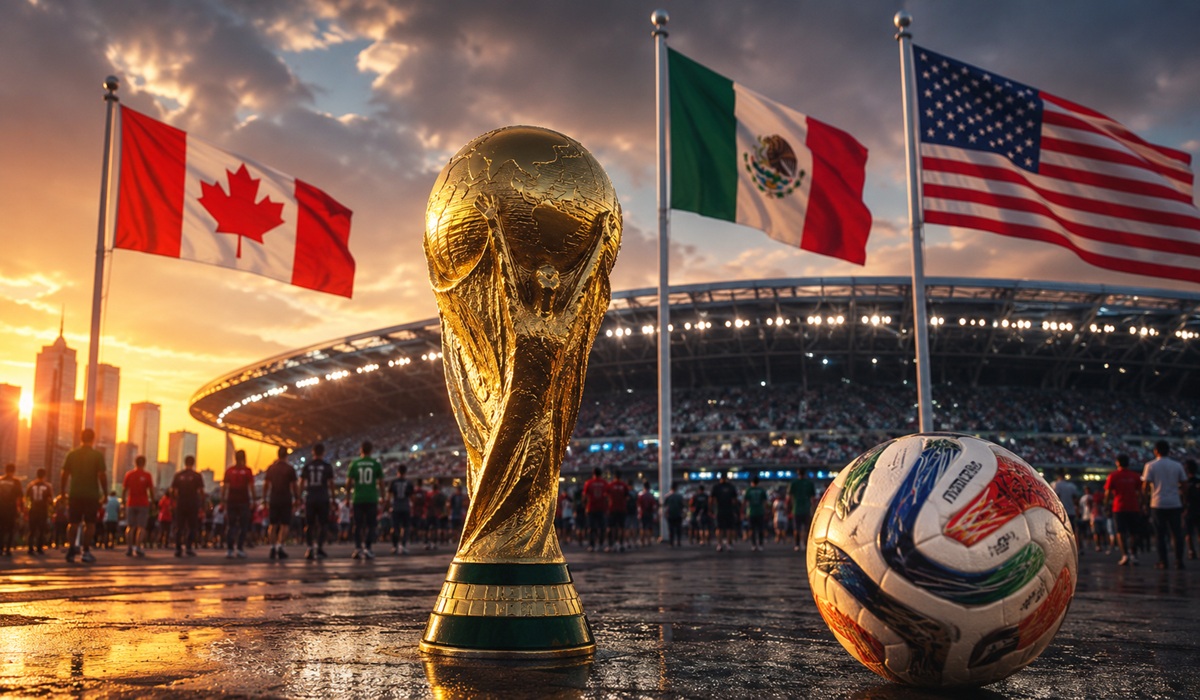
The 2026 FIFA World Cup is finally here, and for Canada, this is unquestionably a historic moment. For the first time, FIFA Men’s World Cup matches are being played on Canadian soil, with Toronto and Vancouver welcoming supporters from around the world. Prime Minister Mark Carney marked the occasion by highlighting Canada’s growing soccer culture, the achievements of Canadian players such as Alphonso Davies and Christine Sinclair, and the federal government’s significant investment in sport and soccer infrastructure. From a Canadian perspective, there is plenty to celebrate. The sport has grown from a niche activity in many communities into one of the country’s fastest-growing games, and hosting the world’s biggest sporting event represents a milestone that many thought was decades away.
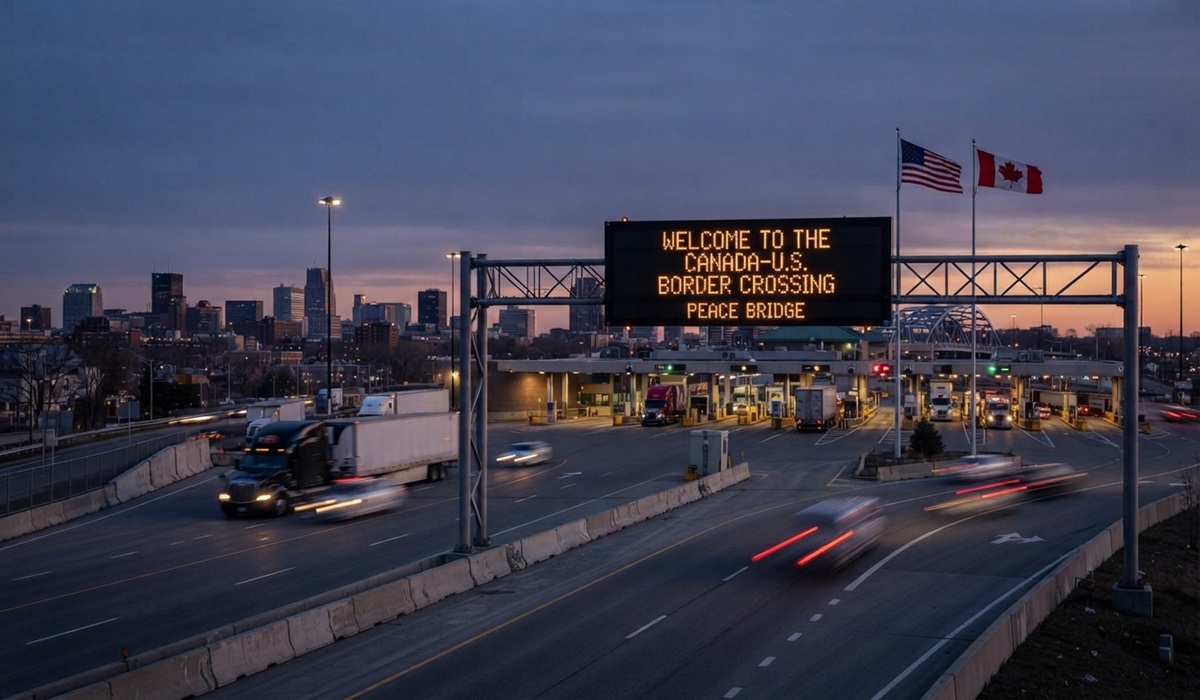
What should have been a straightforward celebration of football, however, has been overshadowed by politics before the tournament has even had a chance to properly begin. The United States, as the primary host nation, entered the competition carrying political baggage that has followed the event into its opening stages. Travel restrictions, visa concerns and questions surrounding who could enter the country created uncertainty among supporters, journalists, officials and football stakeholders. While exemptions and special arrangements were discussed, the reality is that a sporting event built around bringing the world together found itself repeatedly answering questions about who might not be allowed through the door.
The controversy is not merely about fans who wanted to attend matches. Concerns were also raised about international officials, football administrators and referees from certain countries who found themselves caught in conversations that had nothing to do with the sport itself. Whether every concern ultimately materialized is almost beside the point. The damage was done the moment politics became one of the dominant storylines surrounding a tournament that should have been focused entirely on the competition. When people are talking about border policies instead of tactical matchups and title contenders, something has already gone wrong.
FIFA, of course, has spent decades claiming that football and politics should remain separate. The organization’s history tells a very different story. World Cups have always been political events, whether hosted in Russia, Qatar, South Africa, Brazil, Germany or the United States. Governments use them to project influence. Leaders use them to showcase their countries. Organizers use them to shape international perceptions. The notion that the world’s largest sporting event can somehow exist in a political vacuum has never been realistic, and the events leading into this tournament have once again demonstrated that reality.
What makes this situation particularly significant is that international sporting organizations place enormous value on predictability. They can tolerate criticism. They can manage controversy. What they dislike is uncertainty. When questions arise about whether supporters, journalists, officials or participants will encounter barriers entering a host country, that uncertainty becomes a factor future decision-makers cannot ignore. Sports governing bodies may not publicly admit it, but they pay close attention to every logistical challenge and every headline that threatens to overshadow the event itself.
That is why there is already speculation about what this tournament could mean for future bids involving the United States. It would be irresponsible to declare that America will never host another World Cup or Olympic Games because history suggests major sports organizations often follow money, infrastructure and market size above all else. The United States remains one of the largest sports markets on Earth, and its ability to generate revenue is unmatched in many respects. At the same time, it is difficult to ignore the sour taste that has accompanied portions of this tournament’s buildup, and it is equally difficult to believe that some international stakeholders will not remember the headaches associated with hosting under these circumstances when future decisions are being made.
Canada’s role in all of this has been refreshingly straightforward. Rather than becoming entangled in the political controversies dominating headlines elsewhere, Canadian organizers have largely focused on delivering successful events, welcoming visitors and showcasing the country’s growing soccer culture. That may not generate the same level of attention as international political disputes, but it is exactly what a host nation should be doing. In many respects, Canada’s greatest contribution to this World Cup may be demonstrating that the focus can still remain on the sport itself.
Ultimately, FIFA will almost certainly deliver the spectacle that fans have come to expect. The goals will be scored, the underdogs will emerge, the favourites will stumble and millions of supporters around the world will become consumed by the drama on the pitch. Yet when historians look back on this tournament years from now, they may remember more than just the matches. They may also remember a World Cup that arrived carrying a level of political controversy rarely seen in modern international sport, and a tournament that served as a reminder that no matter how often people insist otherwise, football and politics remain deeply connected whether anyone likes it or not.
About The Author