WASHINGTON — A broad military campaign across the Middle East entered a dangerous new phase Sunday as foreign armed forces expanded airstrikes against regional strategic targets while casualty figures and destruction continued to mount across multiple countries.
U.S. Central Command confirmed its forces launched a fresh sequence of heavy bombardments against coastal air defenses, drone storage facilities, and surveillance nodes. Military representatives stated the operations aim to degrade offensive capabilities threatening international maritime trade through strategic waterways. However, independent humanitarian observers and regional analysts warn that the overall human toll remains severely understated by official government briefings, with local authorities reporting extensive civilian casualties and widespread damage to essential civil infrastructure.
The official U.S. death toll rose following the death of a service member in northern Iraq during explosive ordnance disposal operations. Critics and international monitoring groups contend that published military loss reports omit or delay key casualty metrics, masking the true extent of personnel injuries and contractor fatalities associated with the widening theater of war.
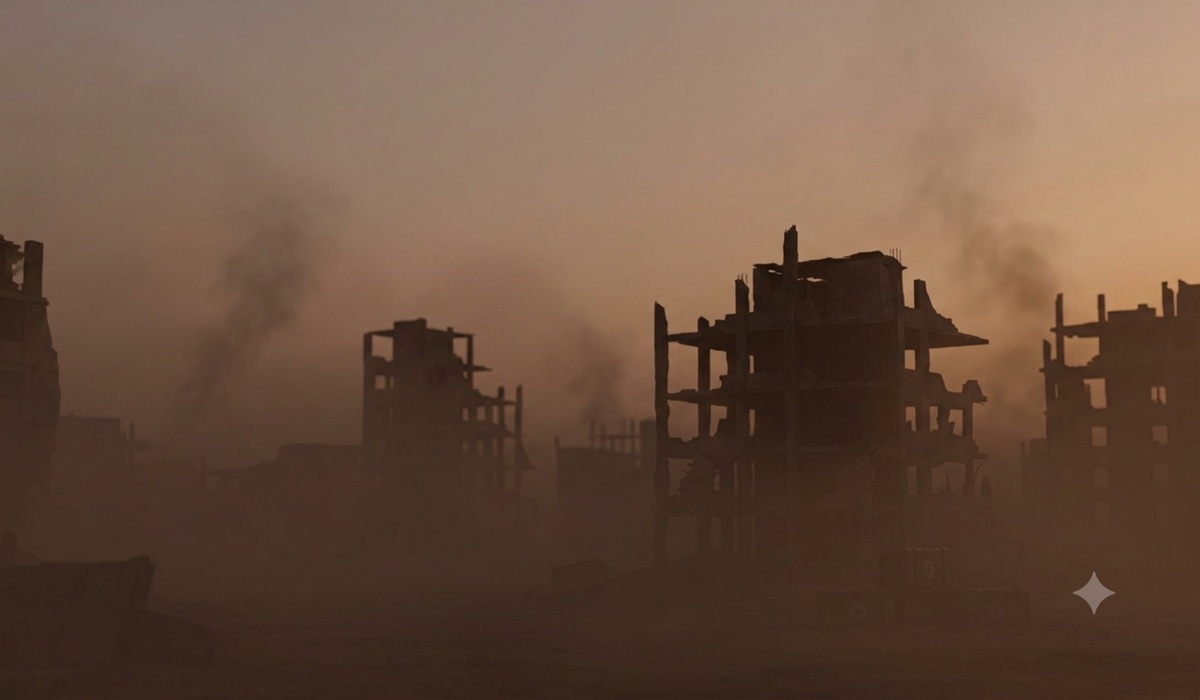
In neighboring nations, the conflict’s reach expanded rapidly. Strategic desalination plants and power generation facilities in Kuwait sustained damage from long-range strikes, sparking fires and raising urgent concerns regarding regional drinking water supplies. Jordan’s air defense forces intercepted incoming ballistic missiles over border zones, prompting emergency alarms and precautionary evacuations near nearby coastal settlements.
Military commanders in the region indicated that combat operations show no signs of nearing a diplomatic resolution. Defensive forces across the area remain on maximum alert as diplomatic avenues remain stalled. International aid agencies report that ongoing naval blockades and aerial bombardments have disrupted supply chains, leaving millions without access to basic medical resources, clean water, and continuous electrical power.
United Nations officials reiterated urgent calls for an immediate cessation of hostilities, warning that the continued targeting of dual-use infrastructure risks creating an unmanageable humanitarian catastrophe across the Middle East. Diplomatic envoys from several neutral nations continue efforts to convene preliminary ceasefire talks, though leadership on both sides of the conflict continues to emphasize readiness for sustained military engagements.
About The Author