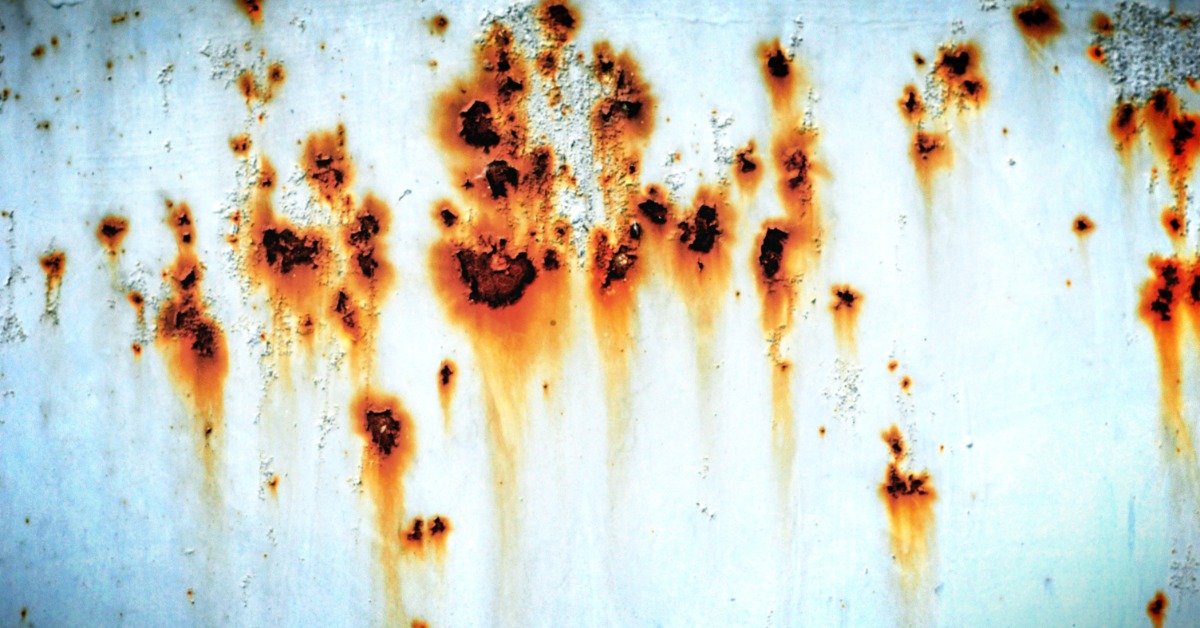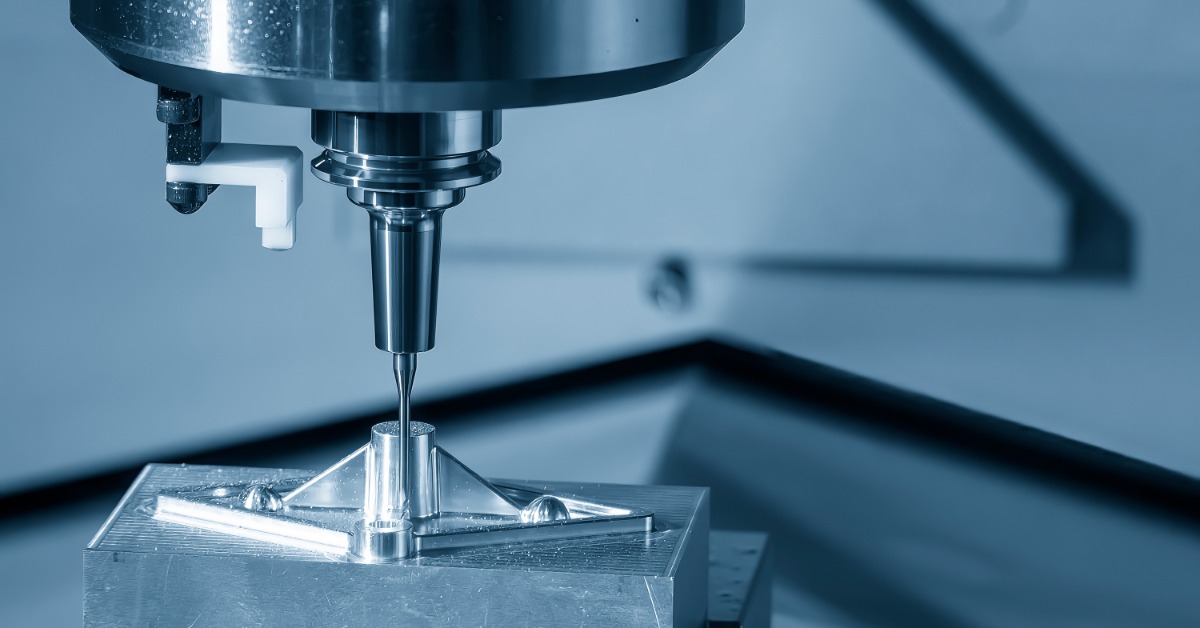
Precision tooling depends on exact dimensions and smooth working surfaces. Even a small amount of corrosion can compromise these qualities, making rust prevention an important part of daily maintenance. Once oxidation begins, it can damage polished surfaces and affect how components fit together.
Corrosion prevention is most effective when shops address the conditions that promote rust. Moisture, contamination, and poor storage can all shorten the useful life of valuable tooling. A consistent maintenance routine helps teams protect tooling between production runs and reduce the risk of preventable repairs. Keep reading to explore ways to prevent corrosion on precision tooling.
Corrosion often begins when residue remains on a tool after production. Oils from handling, machining fluids, and process debris can trap moisture against metal surfaces. Some production materials can also leave deposits that attack tooling over time.
Clean tools promptly after use rather than waiting until the next production run. Choose a cleaner compatible with the tool steel and the contaminants involved. Follow the cleaner manufacturer’s instructions to prevent damage to coatings or polished surfaces.
Recessed areas need your attention because residue can build up. Crevices around inserts or fasteners can trap moisture even when the visible surface appears clean. Careful cleaning gives rust-prevention products direct contact with the metal and creates a stronger barrier against corrosion.
Cleaning alone won’t protect tooling if moisture remains afterward. Water can accumulate in small cavities or cooling channels that employees may overlook during routine maintenance.
Dry each tool thoroughly before storing. Compressed air can help remove water from hard-to-reach areas when facility procedures allow its use. Teams can also use appropriate drying methods for surfaces that require additional attention.
Temperature changes can create another moisture problem. A cold tool entering a warmer environment may develop condensation. Allow tooling time to reach a stable temperature before covering or storing it. Otherwise, a protective cover may trap moisture against the metal.
High humidity increases the likelihood that exposed steel surfaces will develop rust. Facilities operating in humid climates or experiencing major temperature swings should closely monitor environmental conditions in tooling areas.
Climate control can reduce moisture in rooms where teams store valuable dies, molds, and precision components. Dehumidification can also help when a facility can’t maintain consistent conditions throughout the building.
Avoid placing sensitive tooling near exterior doors where temperature changes occur frequently. Leaks and poorly ventilated areas can also create unwanted moisture. Address those environmental problems before they damage tooling.
Rust-prevention products create a barrier between metal surfaces and the surrounding environment. Shops can use protective oils or specialized corrosion inhibitors based on tooling requirements and expected storage duration.
Choose the product based on the length of the shutdown. A tool that will return to service tomorrow may need different protection than a mold that will remain in storage for several months.
Apply the product evenly to vulnerable surfaces. Pay close attention to polished cavities and exposed tool steel. Before returning the tool to production, remove protective products if the process requires a clean operating surface.
Follow the manufacturer’s recommendations for application and removal. Using more product than necessary doesn’t automatically provide better protection, and excess material can complicate the next setup.
Complex tooling often includes areas where corrosion can develop without immediate visual signs. Cooling passages or internal components may hold moisture after production ends.
Machine dies and molds require proper maintenance because surface damage can alter dimensions and affect finished products. Teams should inspect tooling after each production run in accordance with the facility’s maintenance schedule. Cleaning and drying the tool at that point can prevent residue from accumulating on critical surfaces during storage.
Pay attention to water lines in molds that rely on cooling systems. Drain them according to the manufacturer’s recommendations before storage. Moisture that remains inside internal passages can create corrosion that employees won’t notice during a basic exterior inspection.
Proper storage protects tooling after teams complete cleaning. Don’t place precision tooling directly on floors where temperature fluctuations or moisture may expose metal surfaces to corrosion.
Use designated racks or storage systems that support each tool’s weight without damaging precision areas. Keep storage locations clean and away from processes that release excessive moisture.
Protective covers can shield tooling from dust while it sits between production runs. However, the cover needs to work with the surrounding environment. A cover that traps humid air can create conditions that promote corrosion.
For long storage periods, establish a schedule for checking dormant tooling. Long-term storage shouldn’t mean that employees forget about a tool until production needs it again.
Human contact can also contribute to corrosion. Hands leave oils and salts on metal surfaces, especially when workers touch polished steel directly with bare hands.
Wear appropriate gloves when handling sensitive components. This simple habit reduces direct contact and helps protect surfaces after cleaning. Employees should also avoid placing tools on dirty benches, where fluids or debris can contaminate the metal.
Train everyone who works with precision tooling to follow the same handling procedures. A carefully cleaned tool can lose its protection quickly if the next person handles it improperly.
Regular inspections help teams detect corrosion before it causes deeper surface damage. Look closely at polished areas and edges where moisture may accumulate. Check internal components when maintenance procedures allow access.
Light discoloration can signal the beginning of a corrosion problem. Respond quickly instead of waiting for visible rust to spread. Early intervention may allow technicians to address the affected area without extensive refinishing.
Document what you find during inspections. If corrosion keeps appearing in the same location, those records can help the maintenance team identify the cause. The problem may come from storage conditions or cleaning practices rather than the tool itself.
Consistent corrosion prevention depends on routine rather than memory. Establish a maintenance schedule that tells employees when they need to clean and inspect each tool.
Base the schedule on production frequency and tool value. Tooling that faces harsh operating conditions may require more frequent attention than tooling that runs occasionally in a controlled environment.
Record completed maintenance so the next technician knows when the tool received service. Clear records also make recurring corrosion easier to track. When teams can review previous maintenance, they can adjust their approach instead of repeating a process that failed to solve the problem.
Precision tooling represents a significant investment in production quality and efficiency. Corrosion can shorten tool life and create repair work that a stronger maintenance routine could prevent.
Clean tooling soon after use and keep moisture away from vulnerable surfaces. Apply appropriate corrosion protection before storage, then inspect dormant tools on a regular schedule. These habits help teams identify problems while technicians can still address them with limited disruption.
Corrosion prevention on precision tooling doesn’t require complicated procedures, but it does require consistency. When employees treat cleaning and storage as part of the production process, they protect the accuracy that precision tooling provides. A disciplined approach can keep dies, molds, and other critical tools ready for the next production run while supporting dependable performance over the long term.
About The Author