Construction equipment faces rough conditions every day. Rain, mud, road salt, chemicals, and long hours outdoors all take a toll on metal surfaces. Rust can shorten equipment life and reduce resale value long before a machine reaches the end of its service life. Use these tips to prevent corrosion on construction equipment because small habits can protect valuable assets for years.
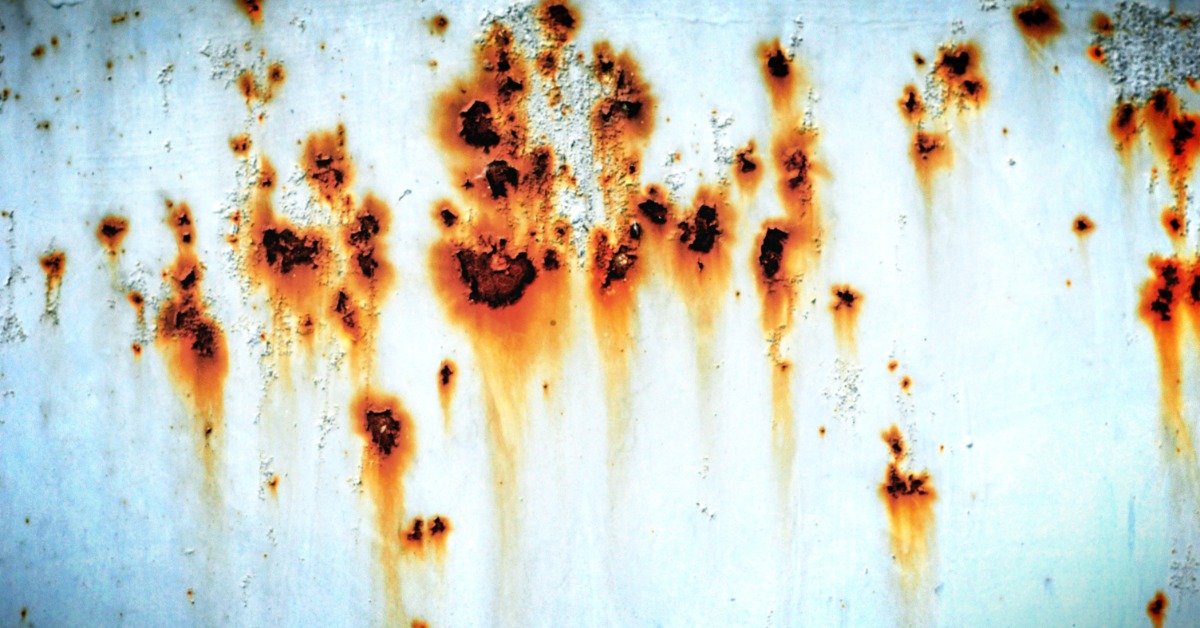
Rust rarely appears overnight. Tiny scratches, chipped paint, trapped moisture, and leftover debris create an ideal path for corrosion long before visible damage appears. A machine may look clean from a distance, yet hidden areas around fasteners, hydraulic components, and frame joints can hold moisture for days.
That slow process affects more than appearance. Rust weakens structural components, damages fasteners, and creates extra stress on moving parts. A repair that starts as a minor touch-up can grow into a much larger expense after months of neglect. Routine attention keeps those small concerns from turning into major repairs.
A thorough wash removes dirt, salt, fertilizer, concrete residue, and other materials that attack metal surfaces. Construction sites expose equipment to countless contaminants, and every layer left behind gives corrosion another opportunity to spread. Clean equipment also allows technicians to spot scratches, dents, and chipped paint before damage grows.
Water alone does not solve every problem. A mild detergent designed for heavy equipment lifts stubborn residue without damaging protective coatings. After each wash, dry the machine with compressed air, clean towels, or another suitable method. Dry metal resists rust far better than surfaces that stay damp.
Paint acts as the first line of defense against corrosion. Even a small chip exposes bare steel to moisture and oxygen. That tiny opening can spread across a panel if left alone. Inspect equipment after every project for scratches, abrasions, and impact marks. Sand damaged areas, apply primer when needed, and finish with paint that matches manufacturer recommendations. A prompt repair costs very little compared to panel replacement or structural restoration later.
Storage conditions influence corrosion more than many fleet owners realize. Equipment parked outdoors through every season faces constant exposure to rain, snow, dew, and rapid temperature changes. Moisture settles into joints, corners, and enclosed sections where rust develops out of sight.
Indoor storage provides far better protection. A covered facility keeps equipment away from direct weather exposure and reduces surface moisture. Good ventilation also helps metal stay dry after daily use. If indoor space remains limited, high-quality covers offer another layer of protection for exposed machines.
Equipment that sits idle for weeks or months deserves extra care before storage begins. Clean every surface, repair damaged paint, lubricate exposed metal, and remove debris from hidden areas. Fuel, hydraulic systems, and batteries also deserve inspection before extended downtime. A short inspection before equipment returns to service helps identify any surface corrosion before work resumes. That habit reduces unexpected repairs and supports dependable performance throughout the season.
Lubricants reduce friction and place a protective barrier between metal surfaces and moisture. Pins, hinges, pivot points, cables, and exposed hardware all benefit from routine lubrication. Fresh grease also pushes dirt and water away from critical contact points.
Manufacturer service intervals provide an excellent guide for lubrication schedules. Harsh environments may call for more frequent service, especially after heavy rain, coastal exposure, or work around chemicals. Consistent lubrication protects components and supports smoother operation across the entire machine.
Visible panels receive plenty of attention, yet hidden spaces deserve equal care. Frame rails, undercarriages, wheel wells, battery compartments, and hydraulic mounting points collect moisture and debris that remain unnoticed for long periods. A detailed inspection uncovers rust before structural damage develops. Flashlights, inspection mirrors, and routine maintenance checklists help technicians reach difficult locations without extra effort. Small discoveries today prevent costly repairs later.
Road salt, deicing products, fertilizers, and industrial chemicals accelerate corrosion at a rapid pace. Construction projects near highways, agricultural sites, or coastal regions expose equipment to especially harsh conditions. Those materials cling to frames, axles, and undercarriages long after the job ends. Prompt cleaning removes corrosive residue before permanent damage develops. Protective coatings designed for severe environments add another layer of defense for equipment that operates around aggressive chemicals throughout the year.
Seeking equipment that can better handle corrosion will help you slow down degradation. For instance, surface treatments rank among the biggest ways c-type lifting are corrosion resistant. Protective coatings create another barrier between metal and the surrounding environment. Modern products include wax-based treatments, corrosion inhibitors, specialized sealants, and protective sprays designed for heavy equipment applications. Each product serves a different purpose, so product selection should match the operating environment.
Periodic reapplication keeps protection at its highest level. Exposure to abrasion, weather, and daily use gradually reduces coating performance. A scheduled maintenance program helps every machine receive attention before protection wears away.
Equipment care does not belong only to maintenance personnel. Operators spend the most time with each machine and notice changes long before scheduled service arrives. A well-trained operator can identify chipped paint, unusual moisture buildup, loose hardware, or fresh damage after each shift.
Clear reporting procedures allow maintenance teams to respond before corrosion spreads. Daily walk-around inspections require very little time and provide valuable information for fleet managers. Strong communication across the entire crew protects every machine on the jobsite.
Sticking to a consistent routine is one of the best tips for preventing corrosion on construction equipment. A structured maintenance plan creates dependable results throughout the year. Scheduled inspections, routine cleaning, lubrication, paint repair, and protective treatments work best as part of one organized program rather than isolated tasks. Maintenance records also provide valuable history for future service decisions and resale documentation.
Fleet managers benefit from checklists that cover every machine on a routine schedule. Consistent attention reduces unexpected downtime and extends equipment life across the fleet. That disciplined approach also supports safer operation and lower ownership costs
Corrosion never disappears on its own, but disciplined maintenance keeps rust under control and protects valuable equipment from unnecessary damage. Clean surfaces, prompt paint repair, dry storage, routine lubrication, protective coatings, and detailed inspections all contribute to stronger long-term performance. Every step builds upon the next and helps preserve productivity across every project. Reach out to an experienced equipment professional today for maintenance products, protective solutions, and expert guidance that keeps your fleet ready for the next job.
About The Author