Don Woodstock Unveils Policy to Hold Winnipeg’s Mayor and Council Accountable
- Contributor
- Canada
- August 17, 2026
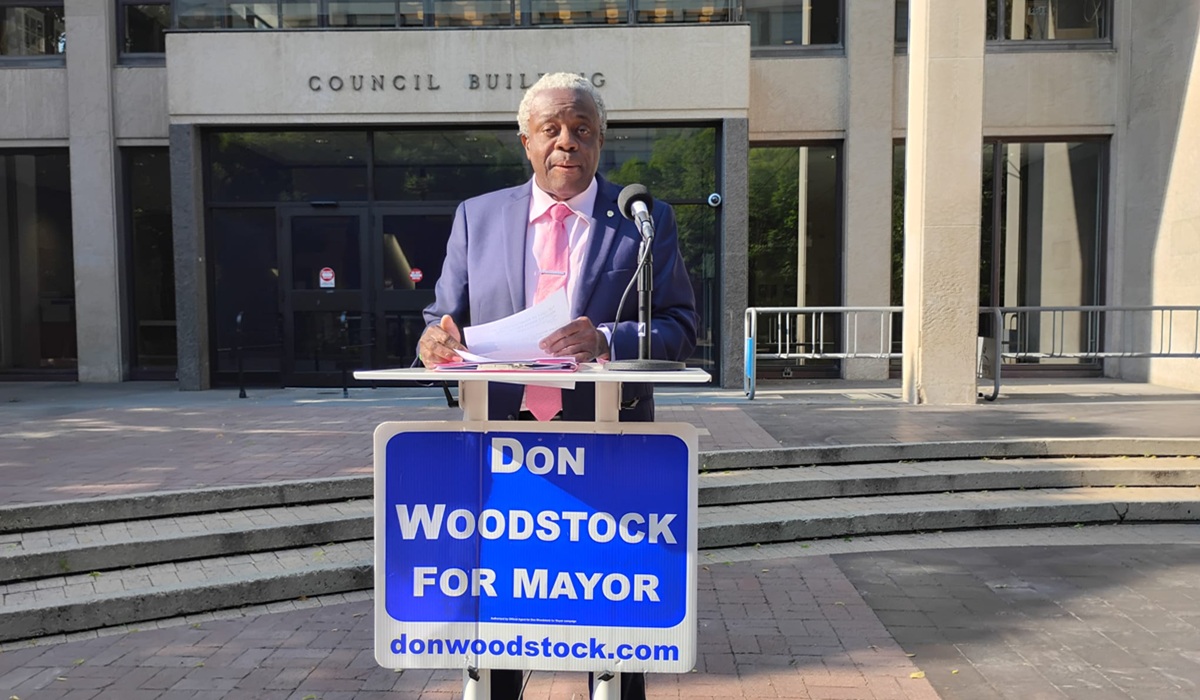
Recent political maneuvering at Winnipeg City Hall has brought the issue of municipal governance back to the forefront. Following calls to amend the City of Winnipeg Charter to handle isolated disciplinary issues among sitting councillors, a fundamental question has emerged about what true accountability actually looks like. Tailoring legislative changes to address specific political embarrassments while leaving the executive office insulated does little to solve the systemic disconnect between City Hall and the public.
True reform cannot be applied selectively. If the municipal framework is going to be opened up for structural changes, accountability must apply universally to every elected official, starting with the mayor’s office. This is the core rationale behind mayoral candidate Don Woodstock’s proposed policy for a universal citizen-recall mechanism.
For years, Winnipeg taxpayers have absorbed the financial fallout of major infrastructure and administrative missteps. Under a decade of leadership that spans Scott Gillingham’s tenure as Finance Chair and now as Mayor, municipal liabilities have climbed past the two-billion-dollar mark. Taxpayers have watched major capital projects accumulate severe cost overruns, from the multi-million-dollar fallout of the Winnipeg Police Headquarters and rapid transit expansions to open-ended, multi-million-dollar demolition tabs for the shuttered Arlington Bridge and the multi-billion-dollar scale of the North End Water Treatment Plant. Coupled with an over-reliance on long-term debt through the bond market, these projects have left generations of residents carrying the financial burden.
At the same time, everyday citizens face compounding pressures from a visible downtown decline, an ongoing opioid and safety crisis, and strained municipal services. Yet under current rules, voters have virtually no direct recourse between elections to challenge underperforming leadership or force a change in direction when major public trust is lost.
A universal recall mechanism changes that dynamic. By establishing clear, voter-driven thresholds to trigger a review or by-election after a reasonable grace period, a recall policy shifts power away from political insulation and back to the electorate. It ensures that public officials, whether backbench councillors or the mayor, are held to the same standard of performance expected in any standard workplace, where repeated failure carries professional consequences.
If municipal leaders are serious about modernizing the City Charter to restore public confidence, tinkering with narrow rules for political convenience misses the mark. Real systemic change requires a mechanism that applies to everyone equally, ensuring that those entrusted with public office remain genuinely accountable to the people who pay the bills.
About The Author