The race for the 2028 Democratic presidential nomination is already well underway, characterized by an expansive shadow primary where ambitious party figures are positioning themselves to claim the mantle of leadership. At the center of this early jockeying is California Governor Gavin Newsom, widely regarded as one of the definitive front-runners for the nomination, though he faces a complex and highly competitive landscape. As the party looks to chart its future course following recent electoral setbacks, the question of whether Newsom truly holds the pole position—and how his potential rivals are maneuvering to challenge him—has become the dominant storyline in national Democratic politics.
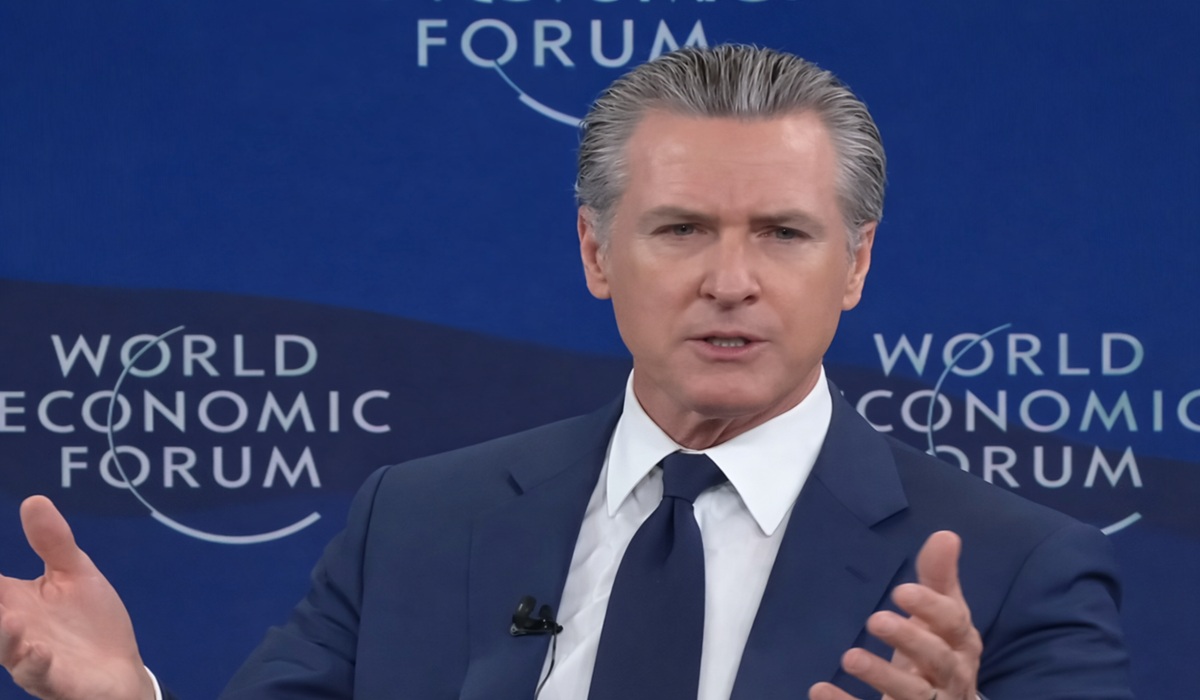
Governor Newsom enters this pre-primary phase with distinct advantages that naturally elevate him to front-runner status. Over several years, he has systematically cultivated a high-profile national brand, aggressively stepping into the role of a primary rhetorical foil to conservative policies and the Trump administration.His willingness to lean into confrontational political dynamics, coupled with a robust digital and media strategy that includes frequent podcast appearances and sharp social media messaging, has made him a recognizable figure to voters nationwide.Early polling metrics and prediction markets consistently place Newsom near the top of the prospective field, often trading the lead with former Vice President Kamala Harris in national surveys. Furthermore, his administrative experience running the nation’s most populous state gives him a tangible executive record to run on, appealing to establishment Democrats looking for a seasoned battler who can command media attention and raise substantial campaign funds.
However, holding the front-runner status this far out from the actual primaries carries notable vulnerabilities, and a crowded field of ambitious contenders is actively working to dismantle his advantage. Chief among them is Kamala Harris, whose deep national fundraising network, high name recognition, and enduring support among key core constituencies, particularly Black voters and suburban women, keep her neck-and-neck with Newsom in various state and national snapshots. Regional preferences and primary state dynamics often show fluid positioning; while Newsom enjoys strong baseline support in western and coastal metrics, potential contenders from other geographic lanes are aggressively carving out distinct spaces.
The broader field features several prominent governors and former officials who offer alternative stylistic and ideological appeals to a fractured electorate. Pennsylvania Governor Josh Shapiro brings crucial swing-state executive credentials and broad appeal to the industrial Midwest. Similarly, Michigan Governor Gretchen Whitmer maintains a strong reputation for pragmatic, Midwestern governance and electoral success in a vital battleground state. Kentucky Governor Andy Beshear has also drawn considerable attention, demonstrating an ability to win elections in a deeply red state while cultivating a folksy, non-confrontational communication style.Meanwhile, former Transportation Secretary Pete Buttigieg continues to command a dedicated national following, blending technocratic policy depth with strong debate skills and early-state organizational appeal.On the progressive flank, figures like Representative Alexandria Ocasio-Cortez command enthusiastic grassroots energy and vital youth backing, frequently testing the waters in early-voting contests like New Hampshire and signaling that the party’s ideological direction remains an open question.
This dynamic creates a multi-layered race where being labeled the front-runner is as much a target as it is an asset. Newsom must constantly balance his duties in California with preemptive national travel, such as outreach to pivotal primary states like South Carolina, while managing the inevitable crossfire from both Republican opponents and ambitious primary rivals. The strategic calculus for every candidate involves mastering new media environments, including independent podcasts and digital platforms, that bypass traditional press filters to reach younger and more fragmented voter blocks.
Ultimately, while Gavin Newsom certainly commands the visibility, financial networks, and polling strength characteristic of a front-runner, calling anyone the definitive favorite at this stage oversimplifies a volatile and deeply competitive primary. The race remains wide open as the Democratic Party weighs competing theories of victory: whether to lean into an unapologetically aggressive coastal combatant like Newsom, pivot toward Midwestern executive pragmatism, or elevate a fresh generational voice. As these potential contenders continue to build out their political infrastructure and test messaging frameworks, the battle to define the post-2024 identity of the Democratic Party promises to intensify long before the first official ballot is cast.
About The Author