The Hidden Firestorm Behind Our Portable Power Of The Lithium Ion Revolution
- Ingrid Jones
- U.S.A
- July 31, 2026
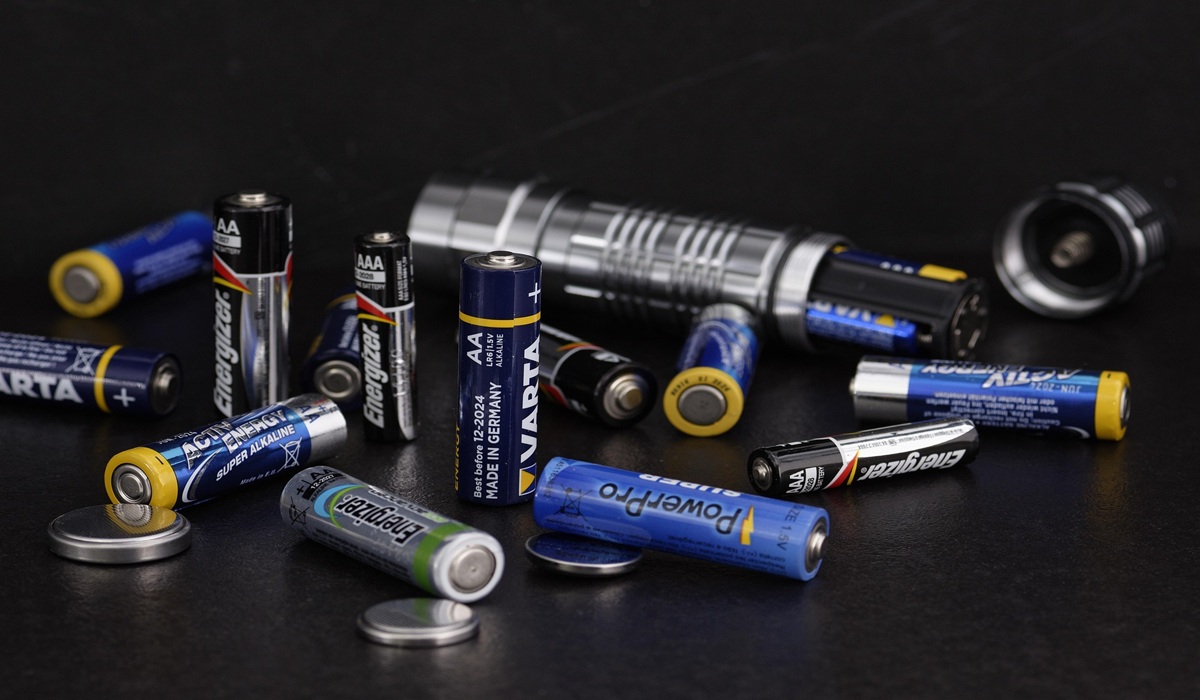
Image Credit: Willfried Wende
The modern landscape of urban mobility has transformed profoundly over the last decade, driven largely by the proliferation of rechargeable energy storage devices. In densely populated urban environments such as New York City, these power sources have completely altered how people commute, work, and live. Yet this massive technological shift has introduced an unprecedented safety crisis. Lithium-ion power cells, once celebrated exclusively as the quiet saviours of a green energy transition, have rapidly climbed the hazard charts to become a leading cause of accidental structural fires across the metropolis, frequently eclipsing historical threats like electrical wiring faults and cooking mishaps.
To understand why these power units pose such a distinct danger, one must examine the fundamental electrochemistry happening beneath the sleek casing of an e-bike, scooter, or handheld device. Lithium is the lightest of all alkali metals and possesses an exceptional electrochemical potential. This allows engineers to pack an immense amount of energy into a very small, lightweight package. Inside a conventional cell, lithium ions shuttle back and forth between a cathode and an anode through a liquid organic electrolyte. When everything functions as intended, the system delivers reliable, high-density power. However, when a cell is manufactured with microscopic impurities, damaged by physical impact, overcharged, or exposed to extreme temperatures, the internal chemistry can experience a catastrophic breakdown known as thermal runaway.
Thermal runaway is a self-sustaining exothermic chain reaction that starts when an internal short circuit generates localized heat. Once temperatures inside a compromised cell reach a critical threshold, typically around one hundred and fifty degrees Celsius, the separator film breaks down entirely. This triggers the decomposition of the liquid electrolyte, which releases flammable hydrocarbon gases and oxygen simultaneously. The trapped energy rapidly discharges in an uncontrollable loop, causing internal pressures to spike until the casing ruptures violently. Because these cells generate their own oxygen supply during the breakdown, traditional smothering techniques often fail, and the fire burns intensely while carrying a high risk of spontaneous reignition hours or even days later. The sheer volume of inexpensive, uncertified aftermarket batteries flooding the market has amplified these catastrophic failures exponentially, turning ordinary apartment corridors into hazardous environments.
As safety regulators grapple with the daily realities of lithium-related emergencies, the global supply chain is simultaneously pivoting toward alternative chemistries to sidestep the geopolitical vulnerabilities and material scarcity inherent to lithium mining. China has emerged as the undisputed pioneer in this space, aggressively scaling up commercial production of sodium-ion batteries. Sodium is chemically similar to lithium because they reside in the same group on the periodic table, but sodium is vastly more abundant, remarkably inexpensive, and easily sourced globally without environmentally destructive extraction practices. While sodium-ion cells historically suffered from lower energy densities and heavier weight profiles, recent breakthroughs by manufacturers have dramatically closed the performance gap. Modern sodium cells now exhibit exceptional low-temperature resilience and structural uniformity that rivals established lithium architectures, making them brilliantly suited for stationary grid storage and urban mobility applications where maximum driving range is secondary to cost and safety.
Looking ahead across the next thirty years, the evolution of energy storage is poised to undergo a profound metamorphosis. The immediate decades will likely see a strict bifurcation in the market, where high-performance electric vehicles retain advanced solid-state lithium architectures for maximum endurance, while urban micro-mobility, residential energy storage, and industrial grid systems transition heavily toward cheaper, safer sodium-ion alternatives. Researchers are continuously refining hard-carbon anodes and non-flammable solid electrolytes to completely eliminate the risks of thermal runaway that plagued early consumer electronics. As manufacturing techniques mature and international standards tighten, the era of volatile, fragile power cells will gradually recede into memory, replaced by a robust generation of energy storage solutions that balance high performance with absolute safety for our cities and homes.
About The Author