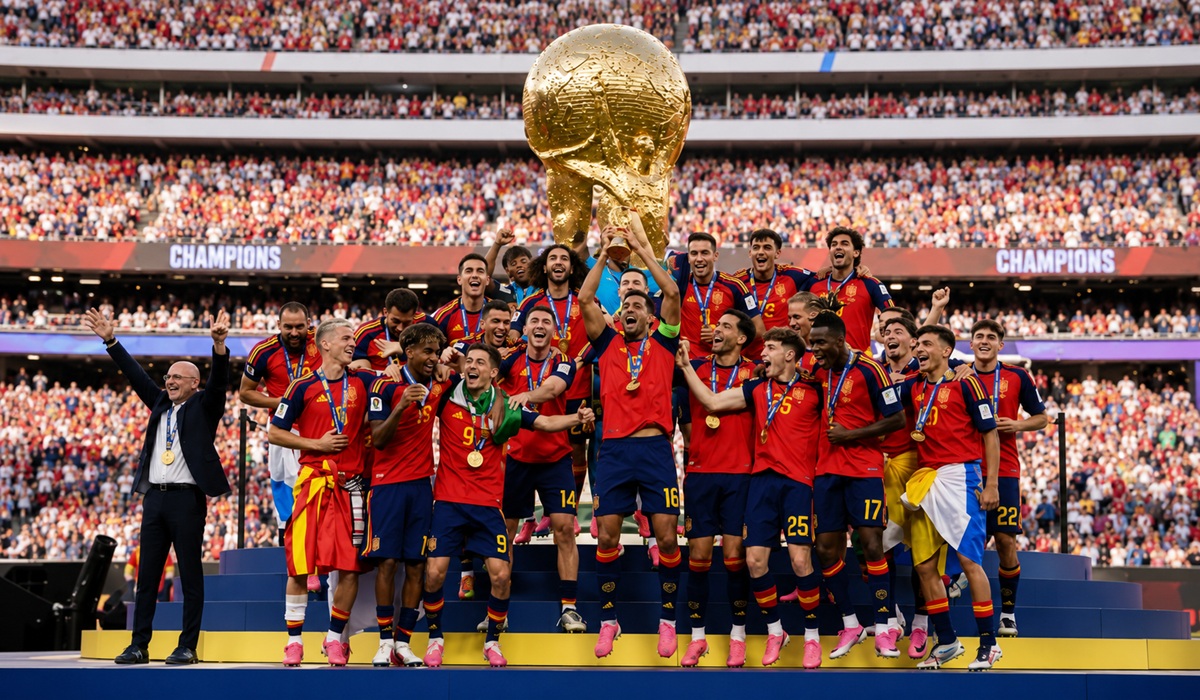
The conclusion of a major international sporting spectacle normally offers a brief period of reflection, a quiet interlude where the global sporting apparatus takes a breath before rebuilding for the next multi-year cycle. In the modern sports landscape, however, that traditional pause has effectively ceased to exist. Today, elite global athletics operates as an uninterrupted, multi-billion-dollar perpetual engine, where the final whistle of one historic tournament instantly merges into the immediate opening salvos of domestic leagues, qualification rounds, and contract negotiations across the globe.
This relentless continuity highlights a fundamental shift in how global sports are produced, consumed, and monetized. Historically, athletic calendars were structured around distinct, seasonal rhythms that allowed athletes recovery time and built genuine fan anticipation for marquee quadriennial events. Modern commercial imperatives have completely rewritten this cadence. Broadcast rights, digital streaming demands, and expanding club competitions have eliminated the traditional offseason entirely. Elite athletes now transition seamlessly from high-stakes international representation directly back into grueling domestic campaign schedules within a matter of days, pushing human physical endurance to its absolute structural limit.
This unyielding operational pace is reshaping the strategic management of professional sports organizations. Top-tier franchises and national federations are forced to invest heavily in advanced sports science, biometric tracking, and squad depth simply to navigate the punishing, year-round volume of competitive fixtures. Management strategies have shifted from traditional tactical preparation toward sophisticated load management and injury prevention protocols. Players are no longer viewed merely as teammates competing in seasonal campaigns, but as high-value long-term assets whose physical output must be precisely measured and regulated across an endless stream of international and domestic engagements.
Ultimately, the relentless expansion of the global sports calendar presents a fascinating cultural dilemma. On one hand, global audiences enjoy unprecedented, instant access to world-class athletic competition at virtually any hour of the day. On the other hand, the constant saturation of high-stakes matches risks diluting the unique, magical rarity that historically made elite sporting moments so profound. As governing bodies continue to expand tournament formats and introduce new commercial properties, the sporting world is rapidly approaching a critical crossroads—testing whether the infinite appetite of modern global entertainment can truly be sustained by the finite limits of human physiology.
This operational strain has reached an unprecedented boiling point as global governing bodies finalize preparations for vastly expanded international tournament structures. With major competitions expanding their field sizes and adding extra competitive phases, elite competitors are accumulating record numbers of high-intensity appearances per cycle without meaningful mid-season rest periods. Player unions and sports health scientists have intensified their warnings, providing workload data that reveals an alarming spike in soft-tissue injuries, chronic physical fatigue, and mental burnout among the industry’s most heavily utilized athletes.
In response to this continuous schedule, the broader economic model of elite sport is undergoing a structural realignment. Professional clubs are expanding their rosters to unprecedented depths, effectively managing two distinct starting lineups to share the load across domestic, continental, and international commitments. Simultaneously, broadcasting executives and event organizers face growing pushback from both athletes and fans who argue that non-stop fixture congestion compromises the quality of play on the field. As financial incentives push calendar expansion to its absolute threshold, the international sports community is forced to confront whether the pursuit of short-term revenue threatens the long-term health of its primary asset: the athletes themselves.
About The Author