United States Grapples With Public Health Crisis and Forerign Policy Shift
- Kingston Bailey
- U.S.A
- July 27, 2026
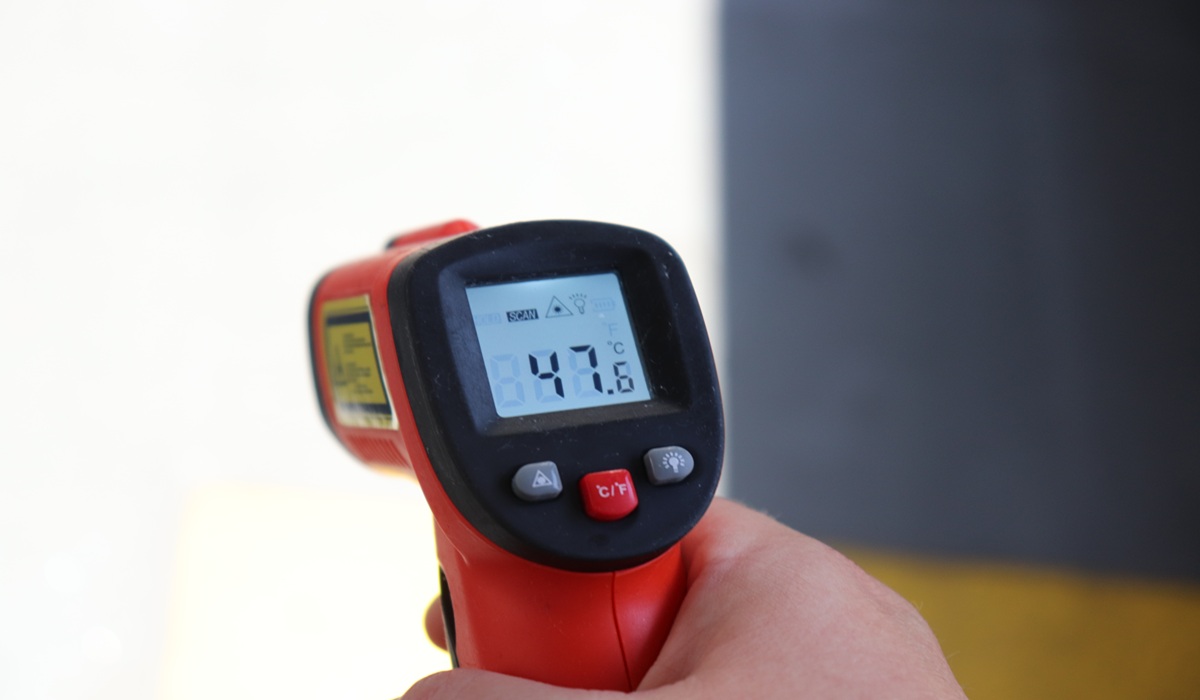
Image Credit, Viorel Vașadi
Public health authorities across the United States are currently mobilizing resources to contain a widespread food safety crisis originating from contaminated agricultural imports. Federal agencies, led by the Food and Drug Administration, have intensified trace-back investigations following a multi-state outbreak of gastrointestinal illnesses linked directly to specific batches of shredded iceberg lettuce harvested in central Mexico and distributed widely to popular restaurant chains and major retail supermarkets. The contamination, attributed to resilient parasites, has affected consumers across numerous states, prompting large-scale voluntary product withdrawals and comprehensive commercial recalls designed to clear compromised goods from distribution channels before further infections can occur.
This incident has reignited intense political and consumer debates regarding the efficacy of cross-border food safety inspections and the vulnerabilities inherent in deeply integrated international supply chains. Industry stakeholders are facing mounting pressure from consumer advocacy groups demanding stricter oversight and mandatory pathogen testing at points of entry, while agricultural exporters work frantically to restore consumer confidence in their sanitation protocols. Beyond the immediate domestic health scare, the broader political and regulatory landscape remains charged as federal leadership navigates complex policy adjustments, including a final Department of Homeland Security rule that eliminates the longstanding duration-of-status loophole for foreign students and media representatives to enforce rigorous four-year caps and routine vetting.
Concurrently, extreme weather patterns are placing unprecedented strain on infrastructure and public services across vast portions of the country. At least forty million Americans recently found themselves under extreme heat warnings as a persistent heat dome locked scorching temperatures and dangerous humidity levels across central and southern states. Emergency service networks and municipal outreach teams have been working tirelessly to distribute water and open cooling centers for vulnerable populations, while scientists note that the continental United States has endured one of the hottest starts to a year on record.
Economic indicators present an equally mixed picture for the average American household, where persistent cost-of-living adjustments continue to strain family budgets despite steady labor market figures. Financial markets react nervously to every signal from central bankers regarding interest rate trajectories, as policymakers try to engineer a soft landing for an economy facing renewed trade turbulence, including sweeping tariff announcements targeting major trading partners. Furthermore, state-level legislative battles over educational curricula, electoral procedures, and fundamental rights continue to drive deep ideological divides from coast to coast, ensuring that local political developments carry immense national significance.
As communities prepare for upcoming electoral cycles, grassroots political engagement is surging, reflecting a deeply mobilized citizenry eager to influence the trajectory of public policy. The interplay between federal oversight, strict immigration enforcement rules, and state autonomy remains the defining friction point of contemporary American political life, setting the stage for continuous legal battles and intense partisan maneuvering as the year progresses.
About The Author