Federal Ego Meets Local Pride in the Fight Over New York’s Penn Station
- Ingrid Jones
- U.S.A
- July 24, 2026
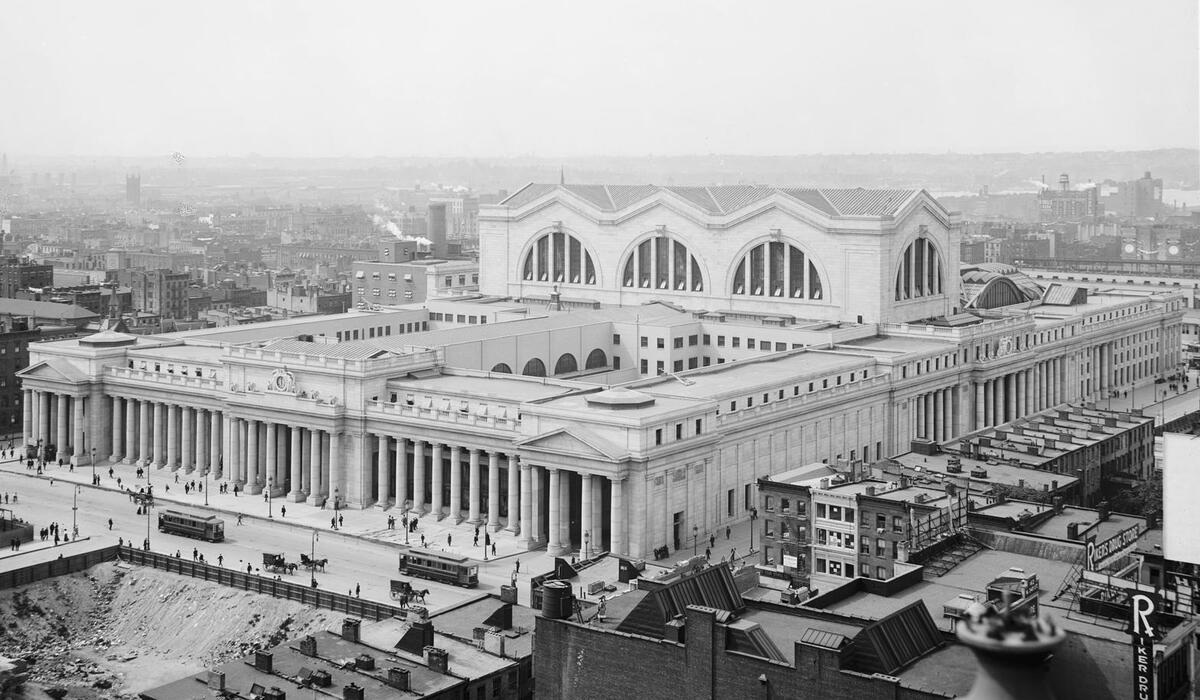
Image Credit: Public domain (U.S. federal government / Historic American Buildings Survey / Library of Congress work, or equivalent pre-1929
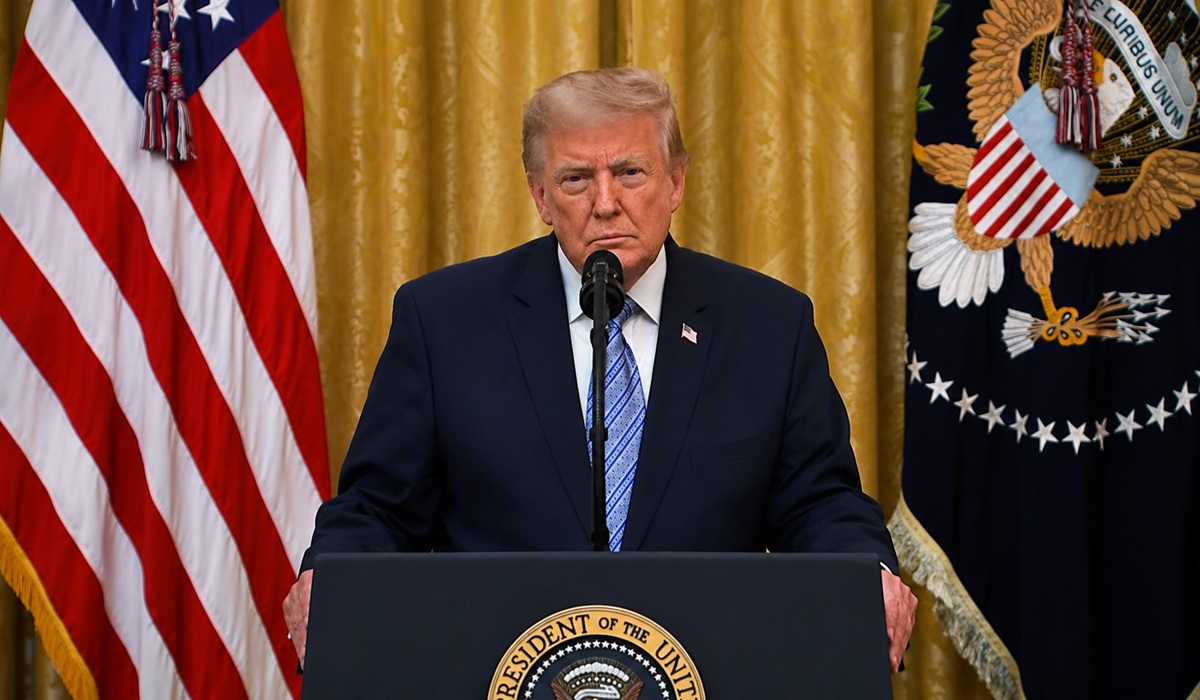
The debate over the future of Manhattan’s busiest transit network has taken a dramatic turn into federal vanity. As the United States Department of Transportation prepares an eight billion dollar overhaul for New York’s sprawling Pennsylvania Station, administration officials have begun floating a proposal to strip the historic transit hub of its traditional name. While public commentary sometimes confuses the station with Pennsylvania State University, the actual target of this renaming effort is the subterranean rail complex beneath Midtown Manhattan through which hundreds of thousands of commuters squeeze every single day. Transport Secretary Sean Duffy recently delivered a formal request to key members of Congress asking for funding approvals, explicitly urging lawmakers to consider a complete rebranding of the landmark. Though Duffy stopped short of putting a specific new name on paper in the initial filing, he has repeatedly broadcast his preferred choice in public interviews, openly musing whether the site ought to be officially designated as Trump Station and insisting the title carries a pleasant, monumental ring. Presidential spokespeople responded to inquiries about the proposal with a blunt rhetorical question asking why such a change should not happen, signaling that the White House views the renaming as a logical crowning achievement for its national infrastructure agenda.
The suggestion has sparked immediate and intense outrage across New York City, a metropolitan region where political opposition to the former developer turned president remains deeply entrenched. Local transit advocates, community leaders, and elected officials have denounced the initiative as an unwarranted exercise in self-aggrandizement at the expense of everyday commuters. Representative Jerry Nadler, whose congressional district encompasses parts of Manhattan, characterized the federal posture as a hostile takeover aimed at stripping operational authority from local transit agencies. He noted that city residents and daily commuters should not be forced to endure public disruption or financial burdens to bankroll a grand political vanity project. Representatives from the Riders Alliance, an influential transit advocacy coalition in the city, echoed these concerns, describing the name change as a huge red flag that threatens to transform a vital regional transportation effort into a multibillion dollar boondoggle. For millions of New Yorkers who rely on Amtrak, New Jersey Transit, and the Long Island Rail Road, the focus on grandstanding facade labels appears completely divorced from the daily realities of signal delays, overcrowded corridors, and deteriorating infrastructure.
The historical context of the station makes the administration’s public relations campaign even more striking to historians and urban planners alike. Opened in 1910 by the Pennsylvania Railroad, the original Beaux-Arts structure stood as an architectural masterpiece featuring vast stone colonnades and soaring glass vaulted ceilings before its tragic demolition in the 1960s. Despite the destruction of its aboveground palace, the name Pennsylvania Station persisted for over a century, deeply anchored in the legacy of the pioneering railroad company that engineered the massive tunnels beneath the Hudson and East Rivers. In defending the desire to erase this historical continuity, administration posts on social media argued that it makes little operational sense for New York’s flagship transit center to bear the name of a neighboring state. White House statements asserted that while Pennsylvania is a fine state, it competes directly with New York, making the legacy moniker outdated. However, transit historians and local residents point out that the station was never named after the state itself, but rather the historic corporate enterprise that built the underlying rail network.
Attempting to brand a core piece of New York City infrastructure with Donald Trump’s moniker hits a particularly sensitive nerve in his hometown. For decades, the local electorate has expressed deep skepticism toward his commercial real estate projects, a dynamic that translated into overwhelming electoral defeats within Manhattan during successive national campaigns. Branding real estate with gold-leaf lettering has long been a hallmark of the president’s corporate portfolio, from residential towers to casinos and private golf resorts. Bringing that branding strategy into the public transit sector, however, crosses a sensitive line for local commuters who view public infrastructure as belonging to the civic collective rather than any single political figure. Political analysts observe that forcing a name change on an unwilling city represents a classic exercise in political dominance, asserting control over a municipality that has consistently rejected his brand.
Beyond the cultural friction, the rebranding effort threatens to derail delicate multi-agency negotiations required to fund and execute the eight billion dollar renovation. The station complex involves an intricate web of stakeholders, including state authorities from both New York and New Jersey, federal transit oversight boards, Amtrak, and private corporate entities like the owners of Madison Square Garden, which sits directly atop the concourses. Introducing a political firestorm over naming rights adds friction to an already fraught legal and financial environment. Critics warn that if the administration insists on tying federal funding grants to political naming rights, key regional partners may resist, delaying essential structural repairs and station enhancements. Instead of modernizing concourses, improving air filtration, and expanding platform safety, the conversation has devolved into a bitter political tug-of-war over an individual’s desire to etch his name into the granite of a city that continues to resist his legacy. Ultimately, New Yorkers view the station as a functional artery of public life, not a personal billboard.
About The Author