Iran vs America: How Long Can Tehran Sustain a War Against a Superpower?
- Naveed Aman Khan
- Pinpoint
- July 14, 2026
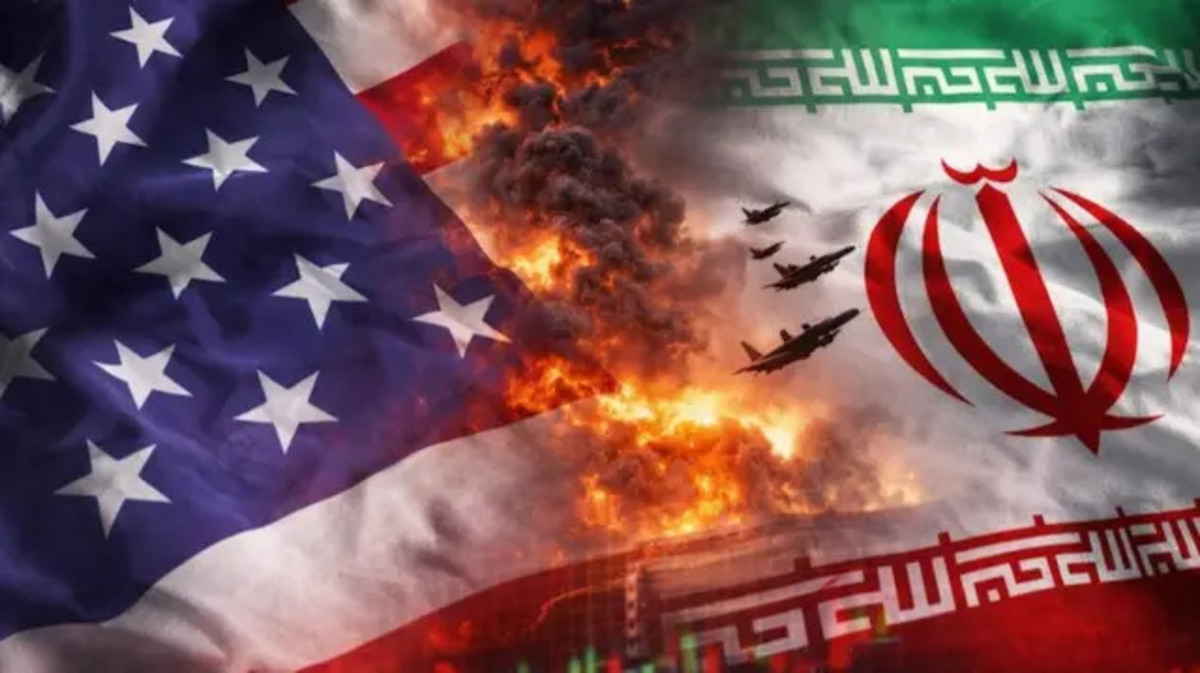
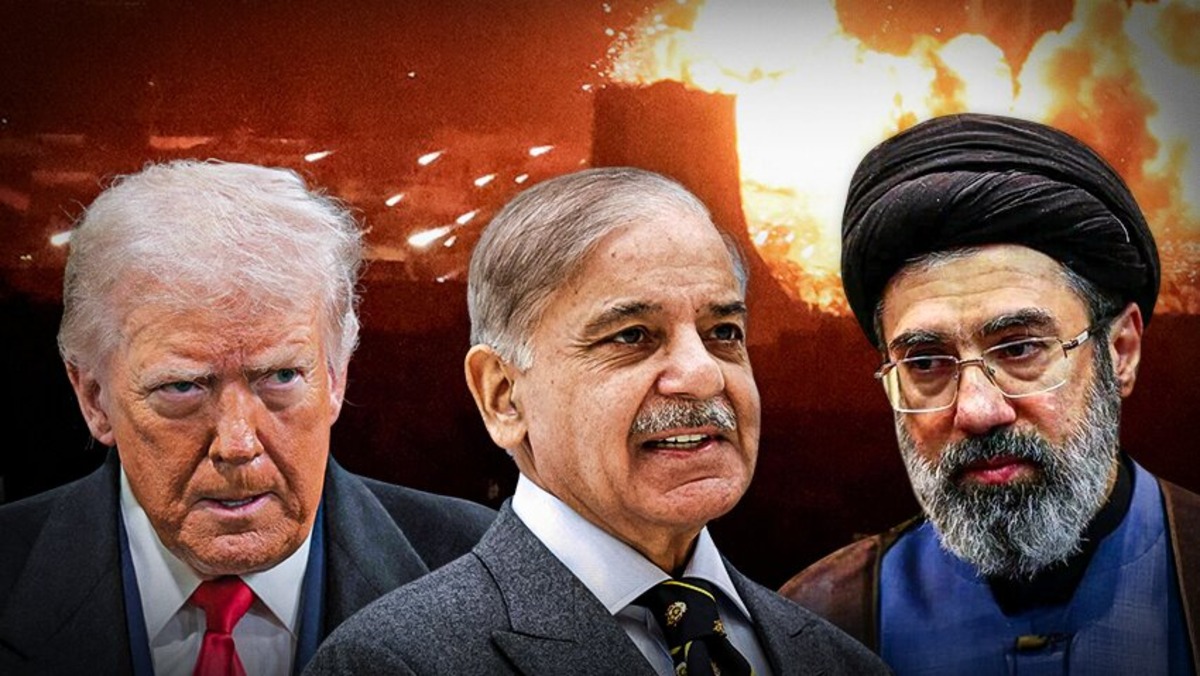
The possibility of a prolonged war between Iran and the United States represents one of the most dangerous geopolitical scenarios in the modern Middle East. Unlike previous conflicts fought primarily through proxy forces, covert operations, or limited strikes, a direct confrontation between Washington and Tehran would carry consequences far beyond their borders. It would badly affect global energy markets, regional security, international alliances, and the future balance of power in the Middle East.
Iran can sustain such a conflict against a military power with unmatched technological superiority, enormous economic resources, and a global network of military bases. Iran’s leaders refer to the eight-year Iran-Iraq War (1980–1988) as evidence of their country’s ability to resist a stronger enemy. That war, one of the longest conventional conflicts of the 20th century, shaped Iran’s strategic thinking and national identity. Tehran survived a devastating invasion by Saddam Hussein’s Iraq despite Iraq receiving political, financial, and military support from several international powers mainly United States. Iraq in the 1980s was a powerful regional military state, but it did not possess the technological capabilities, intelligence networks, naval strength, air superiority, or global reach of the United States. Iran’s ability to fight Iraq for eight years does demonstrate important strengths: national resilience, military organization, ideological commitment, and the ability to mobilize society during a crisis. But fighting the United States would present an entirely different challenge.
Iran’s greatest strength is not its conventional military power but its capacity for asymmetric warfare. Over decades, Tehran has developed a defense strategy designed to impose costs on a technologically superior opponent. Iran possesses one of the largest missile arsenals in the Middle East. Its ballistic and cruise missiles can threaten military bases, energy infrastructure, and strategic locations across the region. Tehran has invested heavily in missile technology because it recognizes that it cannot compete directly with the United States in air power.
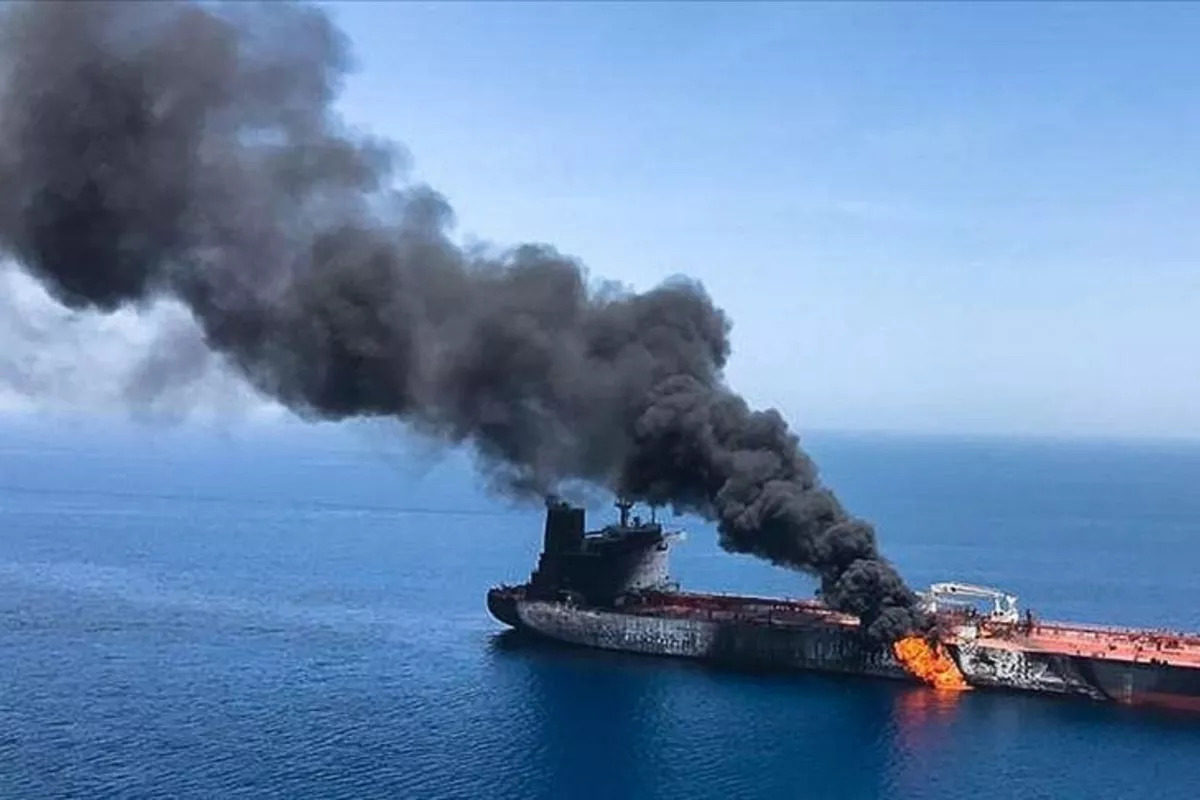
Another major advantage is Iran’s geography. The country is vast, mountainous, and difficult to occupy. Any attempt to launch a large-scale ground invasion would face enormous logistical and military challenges. Defeating a country’s military is easier than controlling its territory. Iran also has experience operating through regional networks. For years, it has cultivated relationships with armed groups and political movements across the Middle East. These networks have provided Tehran with strategic depth and the ability to pressure opponents beyond its borders. The Strait of Hormuz is another important factor. Iran’s location near this vital waterway gives it the ability to threaten global energy supplies. Any prolonged conflict could create instability in oil markets, affecting economies worldwide.
Iran’s leadership views resistance against the United States not only as a military issue but as a matter of national sovereignty and ideological identity. Since the 1979 Islamic Revolution, confrontation with Washington has been central to Tehran’s political narrative. The memory of past conflicts, including the Iran-Iraq War, has strengthened a culture of resistance among many Iranians. The government has repeatedly portrayed foreign pressure and sanctions as attempts to weaken Iran’s independence. However, military endurance requires more than national determination. It requires economic strength, industrial capacity, public support, and the ability to absorb damage over time.
A long war would be extremely difficult for both sides, but the costs would not be equal.
The United States has a massive defense budget, advanced aircraft, satellite intelligence, cyber capabilities, aircraft carriers, and a network of military facilities around the world. In a conventional military confrontation, America would have significant advantages. Iran, therefore, would likely avoid a traditional battlefield confrontation. Its strategy would probably focus on missile attacks, cyber operations, naval harassment, regional pressure, and a prolonged war of attrition designed to raise the political and economic cost for Washington.
Iran may be able to resist for years in the sense of continuing military operations. But sustaining a full-scale war would severely damage its economy and infrastructure. Iran’s economy has already faced decades of sanctions, inflation, currency pressure, and restrictions on international trade. A prolonged war would create additional economic hardship. Oil exports, which remain critical to Iran’s economy, could face further disruption. Industrial production, foreign investment, transportation networks, and public services could suffer significant damage.
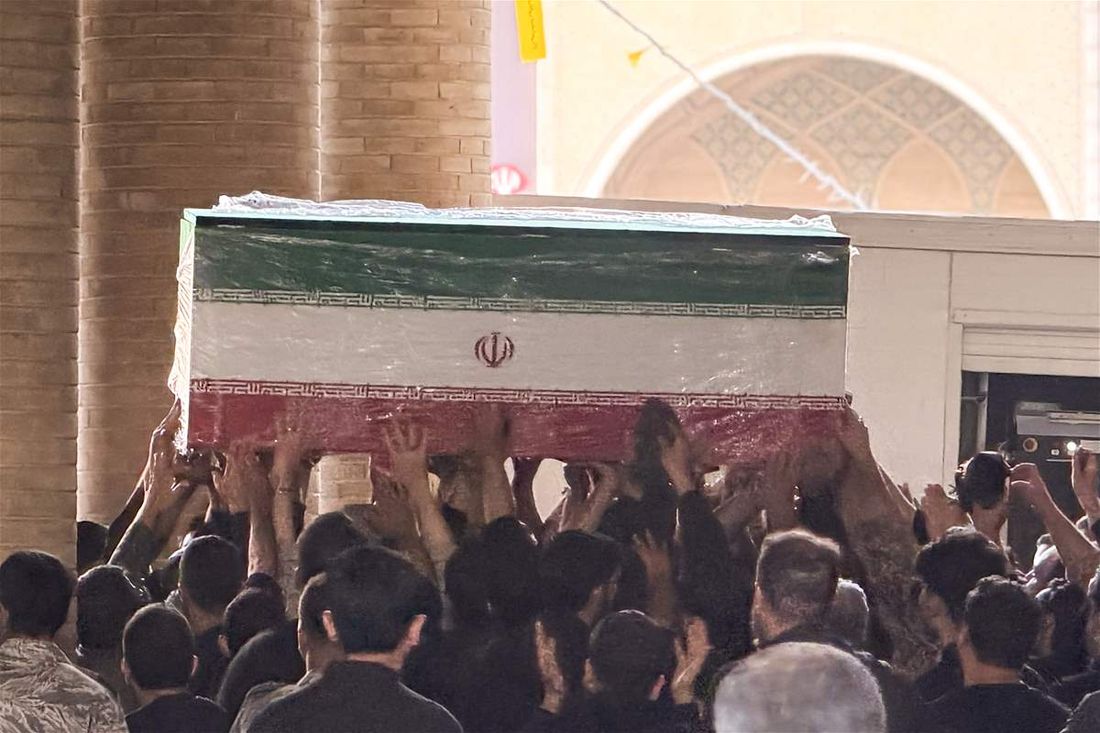
A war lasting several years could increase unemployment, reduce living standards, and create internal pressure on the Iranian government. Even governments with strong security structures must consider public patience during prolonged crises. The Iranian people have historically shown resilience, but economic suffering can eventually become a political challenge. Iran Chose War during the funeral of former Supreme Leader Ali Khamenei. The timing of Iran’s decision to confront the United States during a period of national mourning following the funeral of Supreme Leader Ali Khamenei carries deep symbolic importance.
For the Iranian leadership, the death of a revolutionary figure creates both a political challenge and an opportunity. The Iranian government must demonstrate unity, strength, and continuity. A strong response against an external adversary can become a way to consolidate national emotions. The funeral period created an atmosphere of intense public anger and grief among supporters of the Iranian system. By confronting the United States at such a moment, Tehran may have sought to show that it would not appear weak or divided during a leadership transition.
The government may also have calculated that public anger could strengthen national solidarity. In many countries, external threats often increase patriotic sentiment and reduce political divisions temporarily. Public emotion can support a government initially, but prolonged conflict can test that support if casualties increase and economic difficulties worsen. The Iranian government has historically used anti-American sentiment as a political force. The confrontation with Washington remains a powerful element of Iran’s revolutionary identity.
At the same time, it would be inaccurate to assume that all Iranian citizens view the conflict in the same way. Iranian society is diverse, and public opinion includes different perspectives about foreign policy, economic priorities, and relations with the outside world. The government may benefit politically from a wave of national anger, but maintaining support over a long war would be far more difficult.
A prolonged US-Iran war would likely create a regional crisis. Oil prices could rise sharply, shipping routes could become insecure, and neighboring countries could face security challenges Israel, Gulf states, Iraq, Syria, and other regional actors could become involved directly or indirectly. The conflict could also create new humanitarian problems and deepen instability across the Middle East.
For Iran, years of war would threaten economic survival. For the United States, a prolonged conflict would carry financial, political, and strategic costs. This is the war neither side can easily win. Iran has demonstrated throughout history that it is capable of resisting powerful opponents. Its geography, missile capabilities, military experience, and national determination make it a difficult adversary.
However, fighting the United States for years would be an historic challenge. Iran can create serious costs for Washington, but matching America’s military resources in a prolonged conventional war would be extremely difficult. The decision to confront the United States after the funeral of Supreme Leader Ali Khamenei appears to be driven by a combination of strategic calculation, ideological commitment, and the desire to respond to national emotions. Tehran likely believes that showing strength is necessary to preserve its authority and deter further pressure.
Wars are not decided only by courage and determination. They are ultimately shaped by economic endurance, international alliances, military capability, and political stability. A prolonged US-Iran war would not produce an easy victory for either side; instead, it could become a devastating conflict whose consequences would reshape the Middle East for generations.
About The Author