Tucker Carlson’s Third-Party Gamble Could Make Him America’s Ultimate Kingmaker
- TDS News
- U.S.A
- July 4, 2026
By: Donovan Martin Sr, Editor in Chief
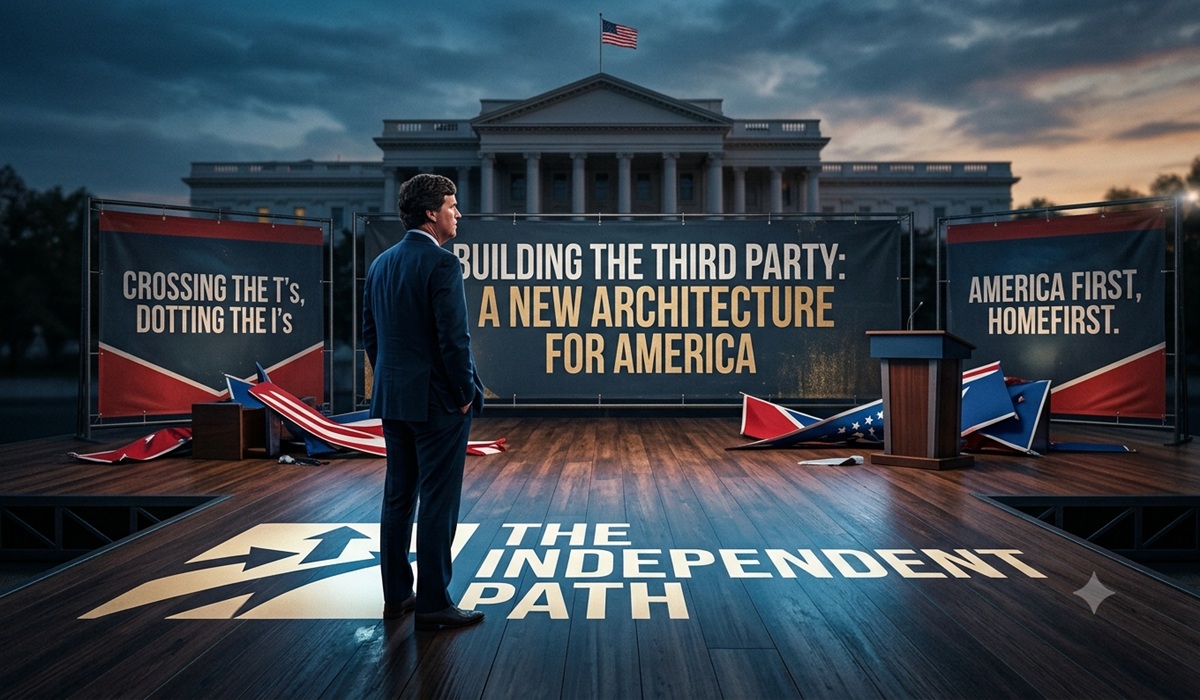
When a figure with the media gravity of Tucker Carlson declares he is building a third party, the immediate instinct of the political class is to treat it as a prospective trial balloon. But anyone who understands the architecture of modern power knows that in American life, public pronouncements of this scale are rarely hypothetical. Usually, by the time an operation of this magnitude enters the public discourse, the foundation has already been laid, the legal structures scrutinized, and the quiet alliances formed. The T’s are crossed, the I’s are dotted, and what we are witnessing is not a casual musing, but the unveiling of a pre-engineered reality.
His public declaration that he is actively working to dismantle the American two-party system marks a profound cultural realignment. For thirty-five years, Carlson operated as one of the most formidable intellectual defenders of the conservative movement. Today, he finds himself entirely politically homeless—and he is taking tens of millions of voters with him.
For decades, we’ve been told that a third party is an American impossibility. Voters look to multi-party systems in places like Canada, where the New Democratic Party or regional factions can command enough leverage to force minority governments into coalitions, and wonder why the United States remains trapped in an uncompromising binary. The structural architecture of American elections is designed precisely to kill outsider traction. Between winner-take-all plurality voting, grueling state-by-state ballot access barriers, and a deep-seated cultural conditioning that labels any third option as a “spoiler,” the institutional machinery has historically absorbed every blow, recalibrated, and locked the doors tighter. Even Ross Perot, backed by billions of his own dollars and a message that captured nearly twenty percent of the popular vote in 1992, walked away with zero electoral votes.
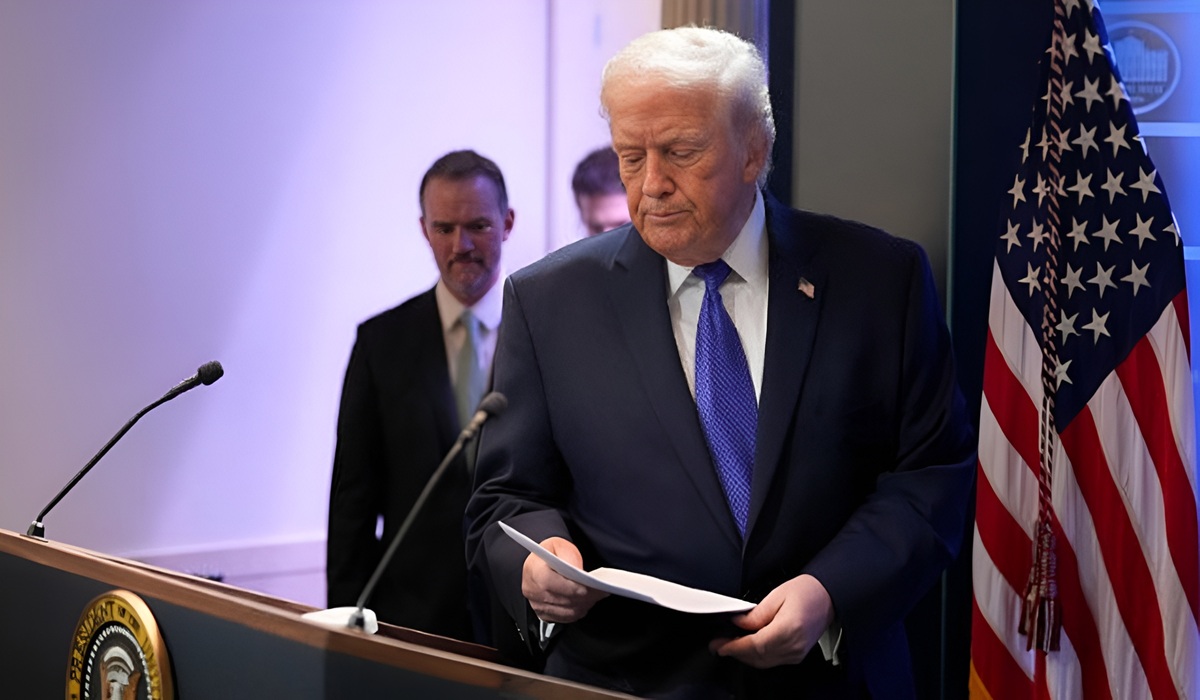
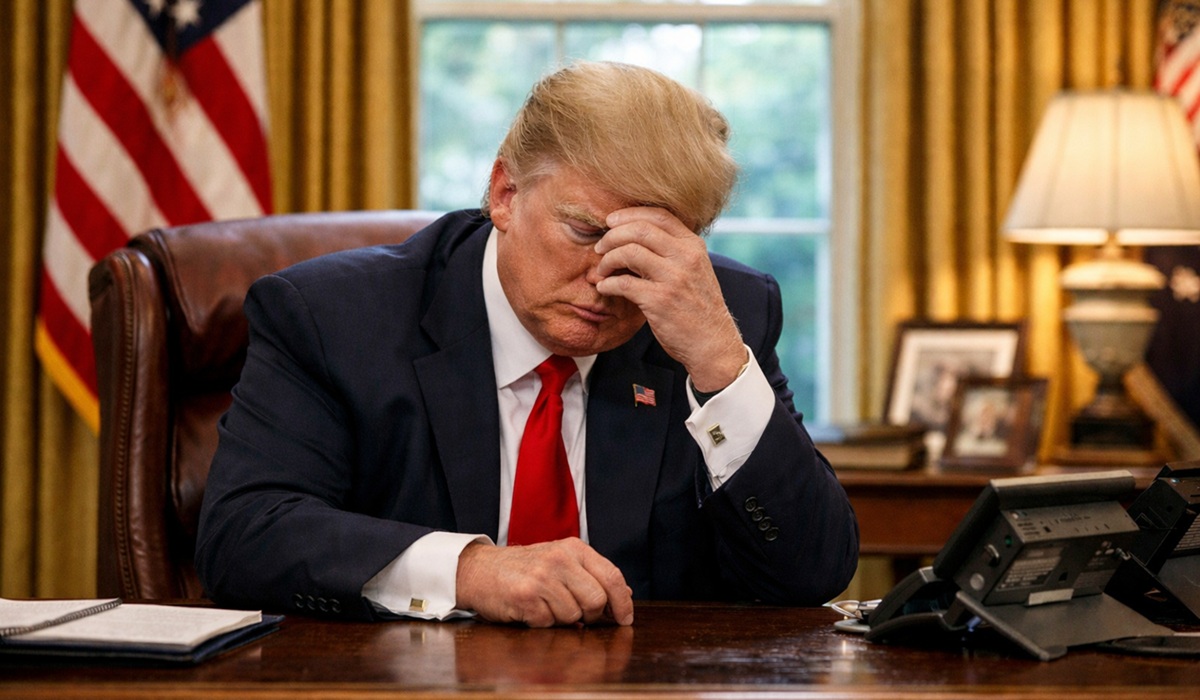
Yet, this moment feels fundamentally different because Carlson’s defection isn’t born from a routine policy dispute over tax brackets or judicial appointments. This is a total, scorched-earth divorce from Donald Trump and the broader MAGA coalition, triggered by a profound betrayal over foreign policy. For years, Carlson was the foremost champion of a nationalist-isolationist doctrine, pushing the populist right to reject the interventionist consensus of the old Washington establishment. When the current administration plunged headlong into conflict with Iran, Carlson viewed it as a catastrophic violation of foundational campaign promises. In a striking public admission to his audience, he expressed deep torment over his past support for the president, observing that on the questions of war and finance, both major parties operate in lockstep solidarity—a one-party state posing as a democracy that needs to be broken.
This disconnect is where his immense institutional advantages come into play. When Perot ran, he was at the mercy of buying infomercial blocks on network television. Carlson, by contrast, operates in a completely decentralized media ecosystem. Through his independent digital network and massive podcast distribution, he reaches a fiercely loyal audience of tens of millions of Americans every month without needing anyone’s permission. He owns the printing press. Furthermore, he is independently wealthy and possesses deep ties to alternative pools of capital, meaning his movement won’t spend its lifespan begging for small-dollar donations just to pay for petition signatures. He is also drawing early, significant elite defections from other high-profile populist figures who are equally disillusioned by the administration’s hawkish turn.
This ideological rupture guarantees that the upcoming primary cycles will turn extraordinarily hostile. The Republican Party will find itself forced to wage a painful two-front war: defending its institutional flank from traditional challengers while fending off an asymmetric, daily media assault from Carlson’s faction. The rhetoric will be unsparing, centering on accusations of warmongering, corporate capture, and the economic degradation of the working class. The critical undercurrent giving this movement real runway is the shifting psychology of the electorate. An unprecedented segment of the population—frequently hovering around sixty percent—now refuses to formally align with either major party, identifying instead as independents. These are voters who feel completely alienated by a Washington consensus that prioritizes foreign entanglements over domestic stability.
Crucially, Carlson has made it clear that he has zero desire to stand as a candidate himself. He understands that his true power is not as a politician, but as a kingmaker and an ideological architect. By building the infrastructure of a third party without placing his own name on the ballot, he avoids the personal vulnerabilities of a traditional campaign while retaining the ability to direct an organized, disciplined voting bloc.
This leaves American politics at its most volatile inflection point in generations. If this new entity succeeds in securing ballot lines in key battleground states, it will permanently shatter the electoral math of the duopoly. Even without winning the presidency outright, a disciplined third party running on a strict platform of domestic non-interventionism and economic protectionism can act as a permanent spoiler. It forces the major parties to either adapt to its demands or face systemic defeat. The establishment is no longer dealing with a fringe protest movement; it is facing a highly capitalized, media-saturated insurgency engineered by the very people who built the modern populist movement.
About The Author