Building Resilience: ACOMI’s New Chapter Invests in Families, Food Security, and Youth Opportunity
- Don Woodstock
- Canada
- June 25, 2026
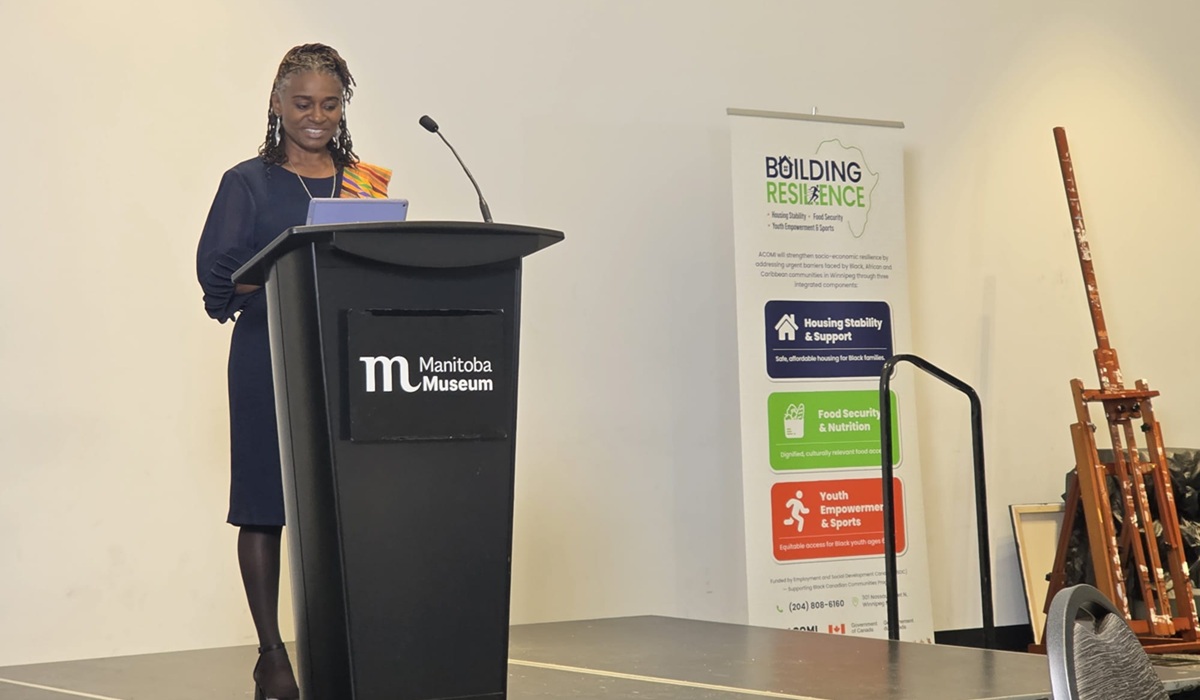
For nearly three decades, African Communities of Manitoba Inc. (ACOMI) has served as a cornerstone organization for many Black, African, and Caribbean families across Winnipeg. Now, after 29 years of community service, the organization is entering a new chapter with the launch of its “Building Resilience” initiative, an ambitious program designed to strengthen families and create new opportunities through housing support, food security, and youth development.
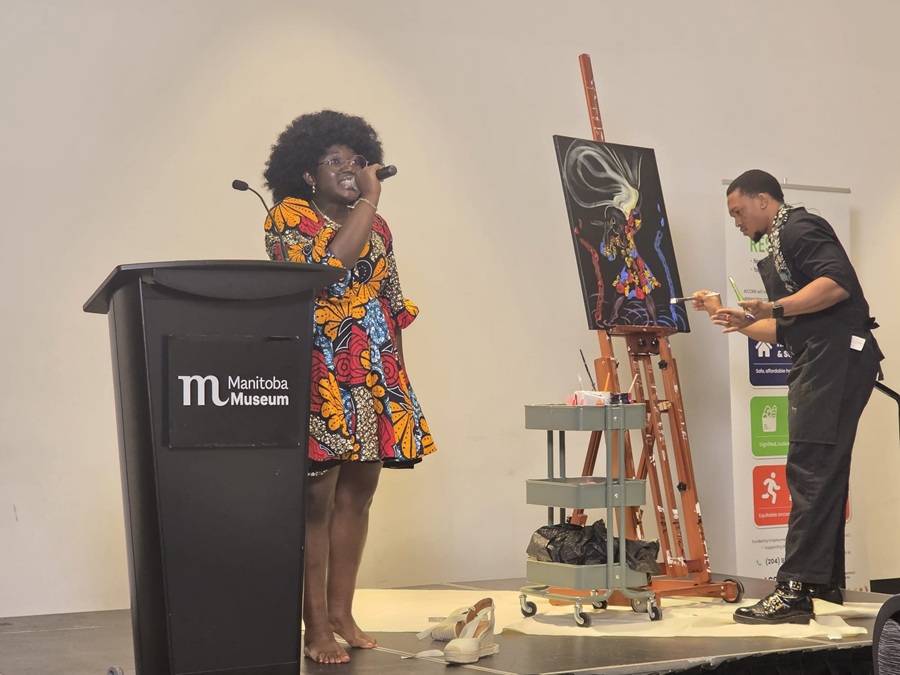
Unveiled this week at Alloway Hall on Rupert Avenue, the federally funded initiative represents more than a collection of programs. It reflects a broader vision of what strong communities require in order to thrive. Stable housing, access to nutritious food, and meaningful opportunities for young people are not separate challenges. They are interconnected pieces of a larger puzzle that determine whether families can succeed and whether communities can grow stronger over time.
The program is built around three key pillars: Housing Stability and Support, Food Security and Nutrition, and Youth Empowerment and Sports. Together, these priorities address some of the most pressing issues facing many families in Winnipeg today. Rising housing costs, affordability challenges, and barriers to recreation continue to affect households across the city, making initiatives like this particularly important.
The housing component seeks to help individuals and families access stable accommodations and navigate the often-complex support systems available to them. Housing insecurity has become an increasingly visible issue in Winnipeg, and organizations working directly within communities are often best positioned to identify needs and connect people with resources before problems become crises.
The food security pillar recognizes another reality facing many families. As grocery costs continue to climb, reliable access to nutritious food has become a growing concern for households across every income level. By providing monthly food support and connecting families with resources, the initiative aims to reduce some of the financial pressure many residents face while improving overall well-being.
While all three pillars carry significant value, the Youth Empowerment and Sports component stands out as an investment in Winnipeg’s future. The program will provide Black youth with access to sporting, recreational, educational, and developmental opportunities designed to build confidence, leadership skills, personal growth, and community engagement. Just as importantly, it seeks to remove barriers that often prevent young people from participating in activities that can positively shape their lives.
For many families, the cost of sports registration, equipment, transportation, and coaching can place organized activities out of reach. When those opportunities disappear, young people often lose access to mentorship, teamwork, structure, and positive role models. Programs that eliminate those barriers help ensure that talent, potential, and ambition are not determined by a family’s financial circumstances.
The philosophy behind this pillar closely mirrors a growing conversation taking place throughout Winnipeg about the role youth recreation plays in community safety and long-term success. The idea that investing in young people today can help prevent larger social challenges tomorrow has gained increasing support among community leaders, educators, coaches, and residents alike.
It is also a vision that closely aligns with my mayoral platform and one of the very first pillars I announced during this campaign. One of my central priorities is empowering youth through sports because I firmly believe every child should have the opportunity to participate, regardless of their family’s income or circumstances. That belief is reflected in my campaign theme, “More Sports, Less Crime.”
To me, prevention starts long before a young person encounters trouble. It starts by creating opportunities, building confidence, encouraging mentorship, and ensuring our youth have positive places where they feel welcome, supported, and valued. When we invest in sports, recreation, and community programs, we are investing in safer neighbourhoods, stronger families, and a brighter future for Winnipeg.
ACOMI’s initiative reinforces that same principle. Access to sports and recreation is not simply about athletics. It is about developing leadership, discipline, teamwork, self-esteem, and community connections. It is about creating environments where young people can build relationships with coaches, mentors, and peers who encourage them to succeed.
The phrase “Every child belongs on the field” captures the spirit of the program perfectly. It recognizes that sports should not be a privilege reserved for those who can afford registration fees or equipment costs. Rather, participation should be viewed as an investment in the next generation and in the future of the community itself.
What makes the Building Resilience initiative particularly encouraging is its comprehensive approach. Too often, social challenges are addressed individually rather than collectively. Housing, food security, youth development, education, and community well-being are deeply connected. By addressing multiple needs at the same time, ACOMI is recognizing that lasting change requires a holistic strategy rather than isolated solutions.
As Winnipeg continues to face complex social and economic challenges, community organizations remain essential partners in helping families succeed. Their ability to work directly with residents, understand local realities, and build trust within communities often allows them to achieve results that cannot be accomplished through policy alone.
The launch of Building Resilience represents an important milestone not only for ACOMI but also for the broader Winnipeg community. It demonstrates what can happen when organizations focus on practical solutions, long-term outcomes, and the belief that stronger families create stronger neighbourhoods.
Under the leadership of Executive Director Maggie Yeboah and the ACOMI team, the organization is continuing its long-standing commitment to community service while expanding its impact for the next generation. Their new initiative is a reminder that resilience is not built by individuals alone. It is built when communities come together to ensure that families have support, young people have opportunities, and everyone has a fair chance to succeed.
About The Author