By: Don Woodstock and Donovan Martin Sr.
Every June, communities across Canada celebrate Filipino Heritage Month and Philippine Independence Day. There are flags, cultural performances, traditional clothing, music, food, and stories passed down from one generation to the next. Yet in Winnipeg, the celebration has evolved into something even more meaningful. It has become a reminder that culture is not something meant to be kept behind closed doors. It is something meant to be shared.
That spirit was on full display this past weekend as members of Winnipeg’s Philippine and Greek communities came together in a celebration of friendship, heritage, and understanding. What unfolded was far more than a cultural event. It was a living example of what multiculturalism looks like when communities move beyond simply existing alongside one another and instead choose to learn from one another.
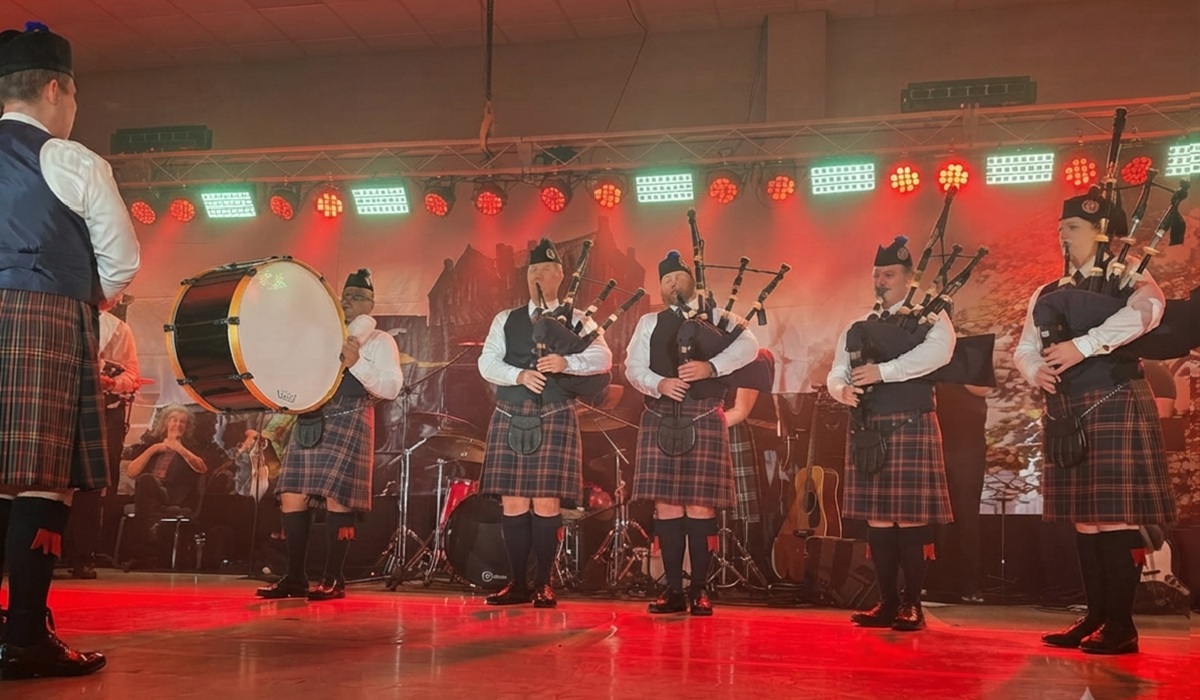
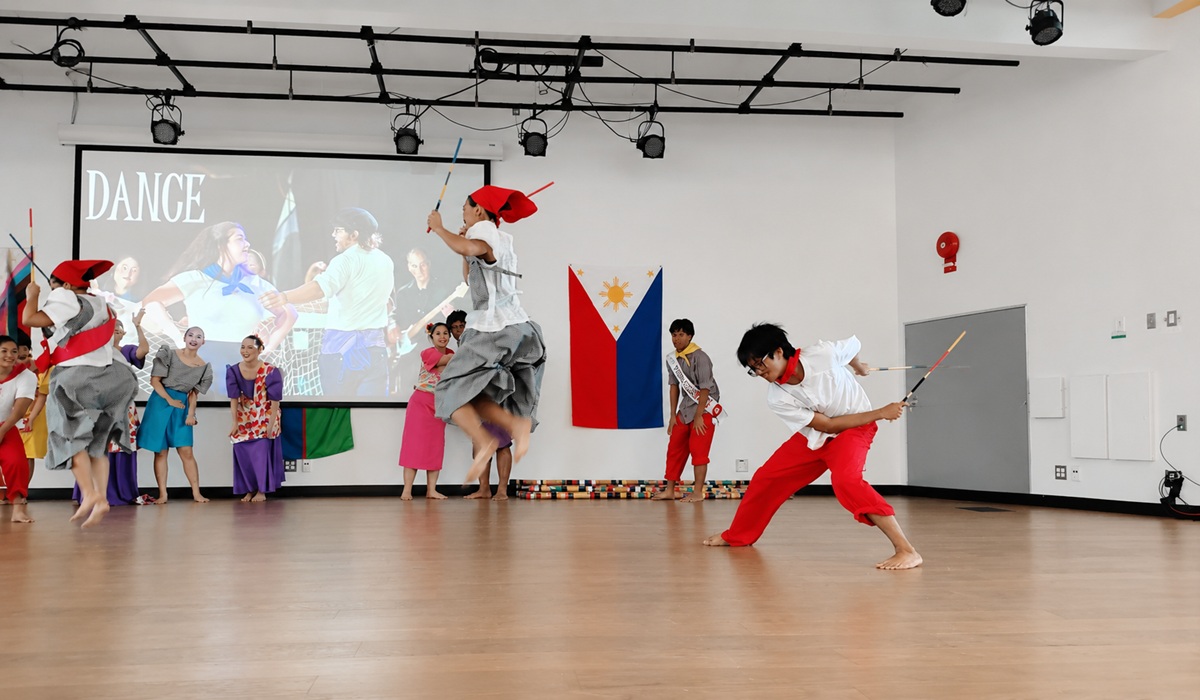
Visitors experienced the sounds of traditional music from both cultures, watched vibrant dance performances, sampled foods from two corners of the world, and explored histories that span thousands of years. Conversations flowed naturally between generations and backgrounds. Some learned a few words in Filipino. Others practiced Greek greetings. Many left with a deeper appreciation for traditions that may have once seemed unfamiliar.
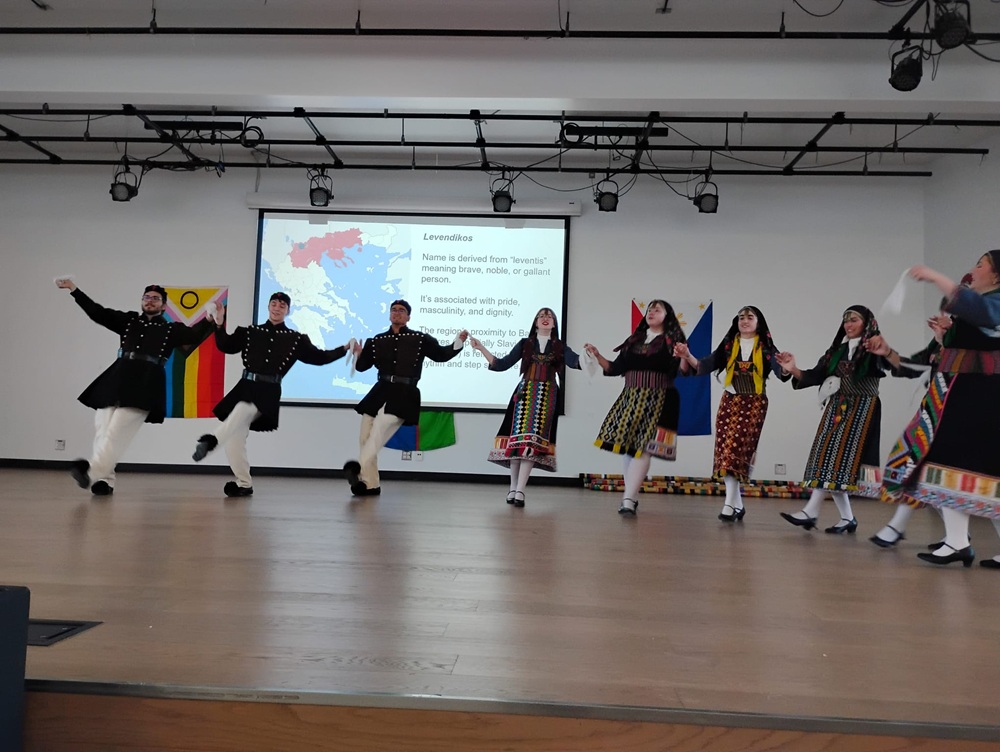
In a world that often focuses on what divides people, Winnipeg continues to demonstrate what can happen when communities focus on what brings them together.
“This is what community is all about,” said Shellometh (Shell) Baladad, co-president of the Philippine Heritage Council of Manitoba. “Culture is meant to be shared. When we open our doors and invite others to experience our traditions, our food, our music, and our stories, we are building understanding. We are building friendships. We are showing that our differences are something to celebrate, not something to fear.”
That philosophy has become a defining characteristic of Manitoba’s Philippine community. While Heritage Month naturally celebrates the history, achievements, and contributions of people with roots in the Philippines, local leaders have consistently looked beyond their own cultural boundaries. Their goal has never simply been to preserve traditions, but to use them as a bridge connecting people from every corner of the city.
The Greek cultural exchange is only the latest example. Just weeks earlier, community organizations partnered with First Nations groups and members of Winnipeg’s African diaspora. In previous years, similar exchanges have included the Korean community and many others. Each gathering creates opportunities for people to discover common ground while gaining a deeper appreciation for traditions different from their own.
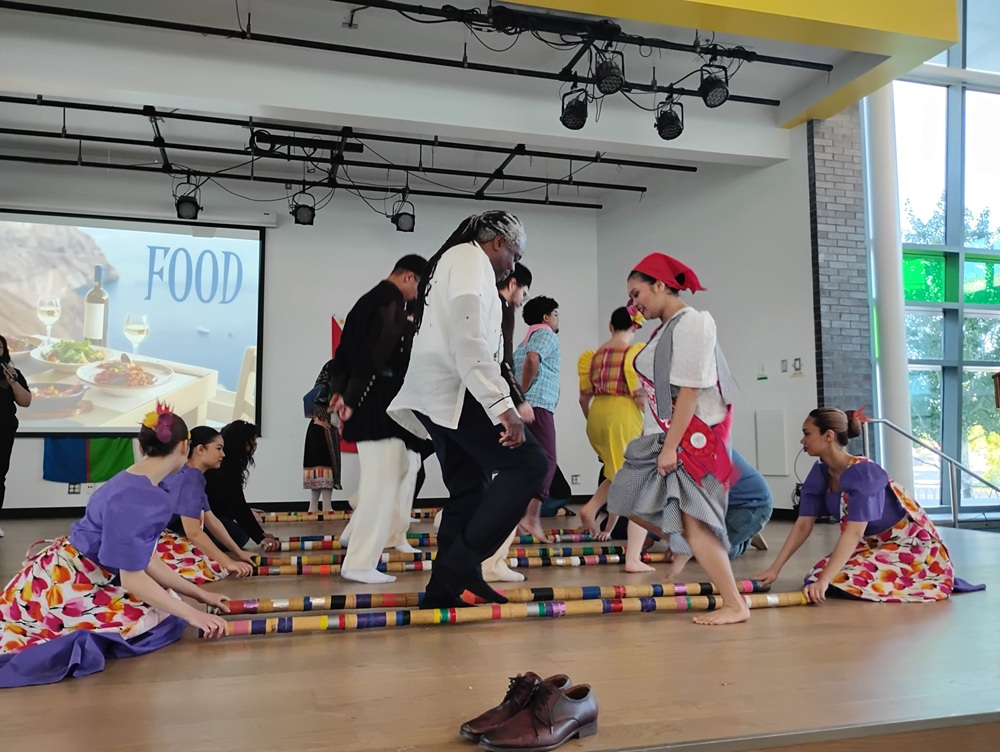
That willingness to share is deeply rooted in values that have travelled across generations. Hospitality, family, respect for elders, and service to the community remain central pillars of the culture. It is not unusual for a celebration intended for one community to quickly become a celebration for everyone.
Athina Dinos, administrator of the Kefi Greek Folk Dancers of Manitoba, says those shared experiences are exactly why cultural exchanges matter.
“As the daughter of immigrants, I understand how important it is to preserve our heritage while also sharing it with others,” she said. “Our parents and grandparents helped build the multicultural foundation that Winnipeg enjoys today. Events like this allow people to learn about each other’s journeys, traditions, and histories. When we understand one another, we strengthen the community as a whole.”
Athina knows that story personally. Her parents were among the pioneers who helped establish the Greek Pavilion during the early years of Folklorama, and she has spent decades immersed in cultural performance and preservation. The Kefi Greek Folk Dancers have been sharing Greek traditions since the 1970s, introducing generations of Manitobans to the music, dance, and customs of Greece. Their performances remain among the highlights of the Greek Pavilion, where audiences can experience everything from traditional folk dances and colourful costumes to the infectious energy that has made Greek culture a beloved part of Winnipeg’s multicultural landscape.
For many Winnipeggers, one of the most recognizable examples of cultural sharing arrives every summer through Folklorama. For more than five decades, the festival has provided communities with a platform to showcase their heritage while inviting others to participate.
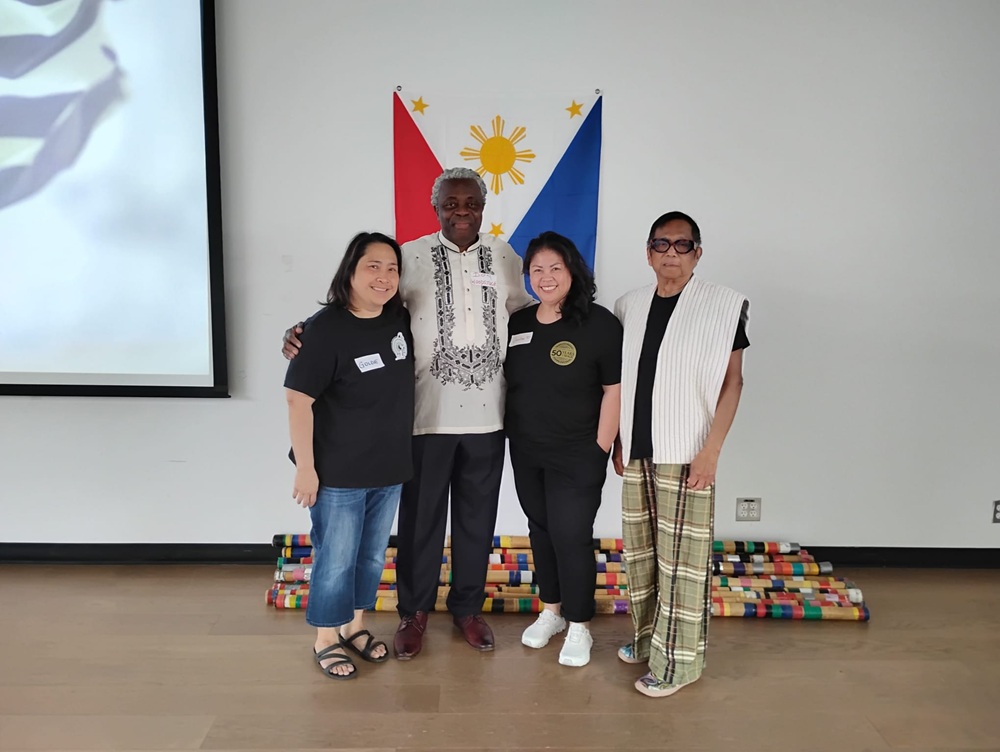
The Philippine Pavilion remains one of the most popular destinations on the Folklorama map. Located at the St. Norbert Community Centre, it has become a must-visit stop for thousands of visitors eager to experience authentic cuisine, music, and hospitality.
Jan, co-coordinator of the Philippine Pavilion, believes the pavilion’s success comes from offering visitors an authentic experience.
“When people come through our doors, we want them to feel like they are family,” said Jan. “We want them to taste our food, hear our music, learn about our history, and leave with a better understanding of who we are as a people. The most rewarding part is seeing someone experience our culture for the first time and watching that appreciation grow.”
The same can be said for the Greek Pavilion, which continues to captivate audiences with energetic dance performances, traditional music, and a celebration of Greek history and identity. For generations, the pavilion has served as a gathering place where visitors can experience the warmth and pride of Greek culture. From the rhythmic sounds of traditional instruments to the vibrant costumes worn by performers, every presentation reflects decades of dedication from volunteers who work tirelessly to keep their heritage alive.
Among those helping preserve and share Philippine traditions is Caroline, whose decades of work as a choreographer have helped shape countless Folklorama performances. Through dance, she has guided generations of young people, helping them connect with their roots while building confidence, discipline, and pride in their heritage.
“Every dance tells a story,” Caroline explained. “When young people learn these traditions, they are learning more than steps and movements. They are learning where they come from. They are learning about the sacrifices and achievements of those who came before them. That connection is incredibly important.”
Behind many of those performances is Nerissa Mabel Garcia, affectionately known throughout the community as Goldie. As artistic director, her influence extends far beyond the stage. For decades, she has been one of the driving forces behind the creative vision that audiences experience at cultural events and Folklorama performances, helping transform songs, dances, and traditions into living stories that educate as much as they entertain.
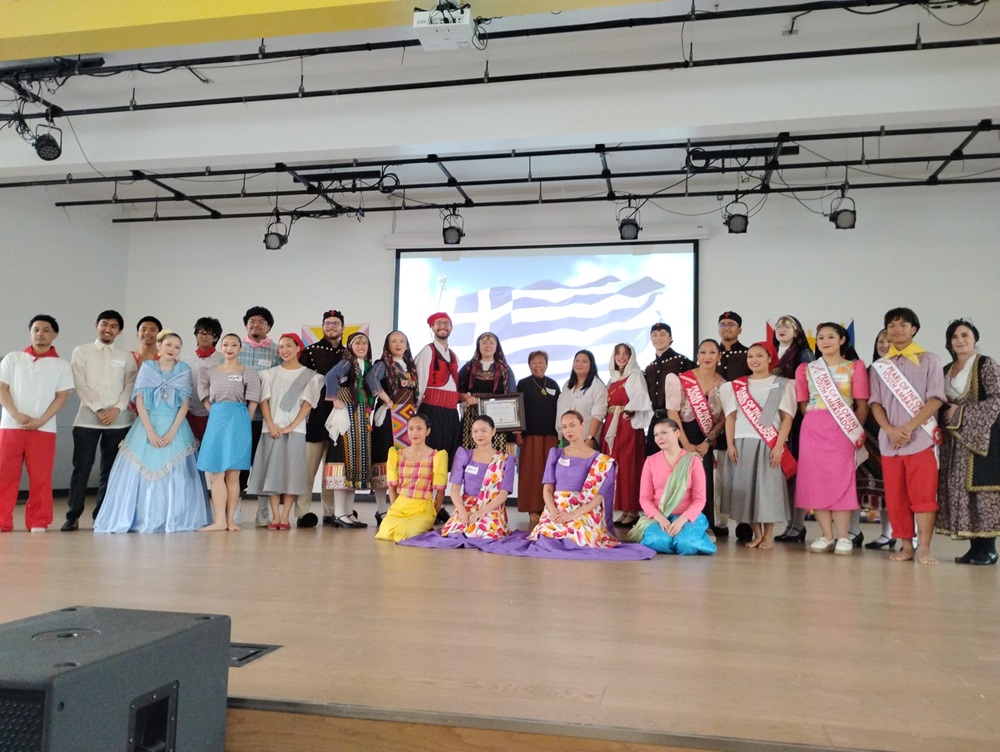
Goldie’s impact can be measured not only in the productions she has helped create, but in the generations she has inspired. Countless performers, volunteers, and young cultural ambassadors have benefitted from her mentorship, guidance, and unwavering commitment to ensuring traditions continue to thrive. Her work has helped preserve heritage while also making it accessible to people experiencing it for the very first time.
“Culture survives when it is shared,” said Goldie. “The responsibility we have is to ensure young people understand the value of their heritage while also encouraging them to appreciate the cultures around them. That is how communities grow stronger.”
Perhaps that is the true lesson of Heritage Month in Winnipeg. While the month celebrates history, resilience, and the accomplishments of a vibrant community, it also serves as a reminder that culture is at its best when it is shared generously.
The community has never viewed cultural preservation as an exclusive exercise. Instead, it has embraced an approach built on openness, curiosity, and friendship. Whether partnering with Indigenous communities, welcoming members of the African diaspora, collaborating with Korean organizations, or celebrating alongside their Greek neighbours, the message remains the same.
Winnipeg’s strength has never come from becoming one culture. It comes from becoming many cultures united by mutual respect. As Philippine Independence Day celebrations continue throughout the month, that message feels especially important. The food, music, dancing, and traditions may draw people in, but it is the spirit behind them that leaves a lasting impression.
In the end, this community is offering Winnipeg something far greater than a celebration. It is offering a blueprint for what community can be. A place where cultures are not merely observed but experienced. A place where differences spark curiosity instead of division. A place where every shared meal, every dance, every song, and every conversation becomes another thread woven into the rich multicultural fabric that makes Winnipeg one of the most welcoming cities in Canada.
About The Author