How to Choose the Right Labels for Commercial Solar Projects
- Casey Cartwright
- Business
- August 17, 2026
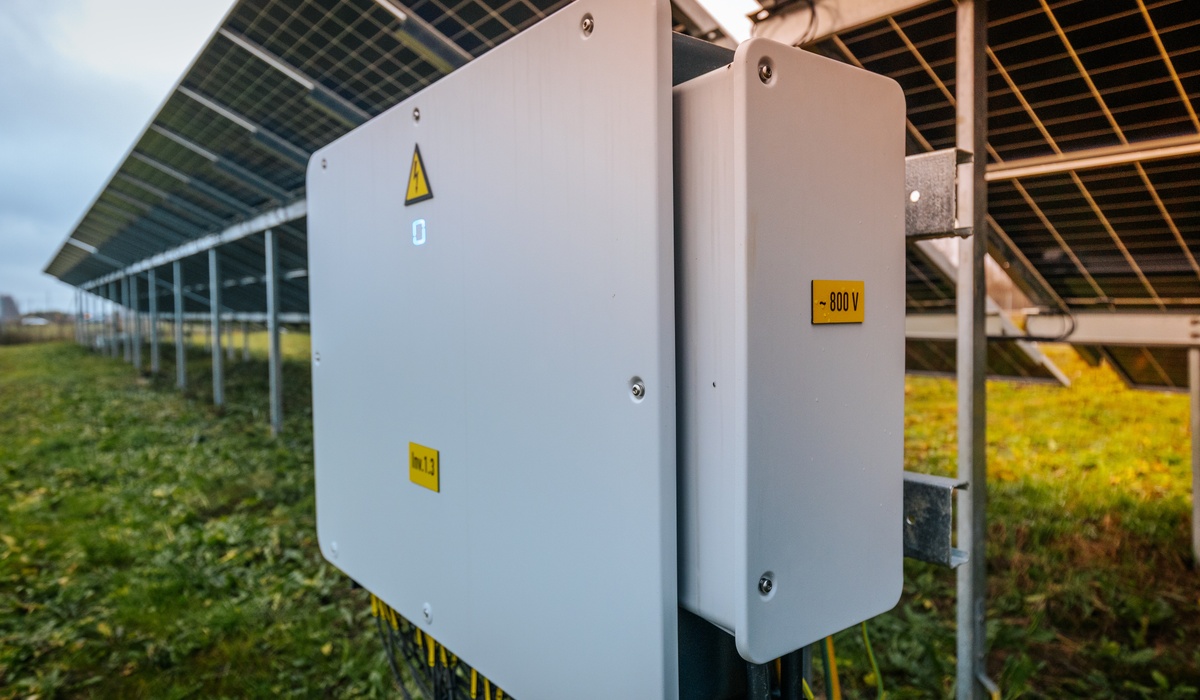
Commercial solar projects demand careful planning from the earliest design stages through final installation. Every component contributes to long-term performance, including the labels that identify electrical systems and operational information.
Many project teams focus on panels or inverters while overlooking the importance of durable identification. Choosing the right labels for commercial solar projects strengthens safety, supports compliance, and helps technicians maintain solar equipment with confidence.
Every commercial solar installation operates under demanding environmental conditions throughout its lifespan. Constant exposure to the elements challenges every component on the site. Labels must withstand those conditions without fading, peeling, or becoming unreadable over time. High-quality identification protects workers while preserving valuable system information for decades.
Durability deserves close attention before any purchasing decision because replacement costs add up quickly across large installations. Label materials vary significantly in strength and resistance to environmental exposure.
Polyester, vinyl, and specialized industrial materials each provide different performance characteristics depending on the application. Matching the material to the installation environment reduces maintenance while protecting critical safety information.
Manufacturers also use different adhesives that perform better under specific environmental conditions. Some adhesives maintain strong bonds on metal enclosures despite continuous heat exposure. Others perform better on textured surfaces or equipment exposed to frequent moisture. Careful material selection improves long-term reliability without creating unnecessary maintenance challenges.
Regulatory compliance remains one of the most important factors during label selection. Commercial solar projects must meet electrical codes and local inspection requirements. Proper labels clearly communicate hazards, equipment ratings, shutdown procedures, and system identification to all personnel. Consistent compliance helps projects move through inspections efficiently while reducing operational risks.
Clear communication becomes even more valuable after installation reaches completion. Maintenance technicians often service equipment years after the original construction team leaves the project. Durable labels provide immediate access to important information without requiring extensive documentation searches. Fast identification improves troubleshooting while reducing unnecessary downtime during service visits.
Readability influences safety just as much as durability. Small lettering or poor color contrast creates unnecessary confusion during inspections or emergency situations. Large fonts, clear symbols, and consistent formatting improve visibility from practical working distances. Simple designs allow technicians to locate important information quickly without wasting valuable time.
Label placement deserves equal attention throughout the design process. Even the highest-quality label loses effectiveness when installers place it behind equipment or inside difficult-to-access locations.
Project teams should position identification where workers naturally expect to find important information. Consistent placement improves familiarity across multiple commercial installations while supporting safer maintenance practices.
Weather exposure creates another major consideration when evaluating labeling products. Rooftop systems are exposed to constant ultraviolet radiation, which gradually breaks down lower-quality materials. Ground-mounted arrays face additional exposure from changing seasonal conditions. Selecting products specifically engineered for outdoor environments protects critical information throughout the life of the solar system.
Commercial facilities often include diverse equipment layouts that require several different label types. Electrical panels, disconnect switches, combiner boxes, conduit, battery systems, and monitoring equipment all require unique identification.
Standardizing label quality across all components creates a more professional installation and improves operational consistency. That approach also simplifies future maintenance because technicians encounter familiar labeling practices throughout the project.
Purchasing decisions should consider long-term ownership costs rather than focusing only on initial pricing. Lower-cost labels frequently require earlier replacement after fading or adhesive failure occurs. Maintenance crews then spend additional labor hours replacing damaged identification across the facility. Premium labeling products usually provide greater value because they reduce maintenance requirements over many years.
Project owners should also evaluate supplier experience before placing large commercial orders. Companies specializing in industrial solar labeling understand current regulations and common installation challenges. Experienced manufacturers often recommend products based on environmental conditions, mounting surfaces, and project requirements. Their expertise helps contractors avoid costly material selection mistakes before installation begins.
Maintenance planning benefits directly from thoughtful labeling strategies established during project development. Accurate equipment identification allows service teams to document inspections efficiently while tracking repairs throughout the system’s lifespan. Organized labels also simplify warranty claims because technicians identify specific components without unnecessary delays. Better documentation supports stronger asset management across large commercial facilities.
Project managers should encourage collaboration between designers, installers, and maintenance personnel before finalizing label specifications. Each group contributes practical knowledge that improves long-term project performance. Installers understand field conditions that affect placement decisions, while maintenance teams recognize information they rely on during future service visits. Shared input creates more effective labeling strategies from the beginning.
Many project teams also benefit from understanding how to prevent the top causes of solar label damage before selecting products. Choosing weather-resistant materials and following manufacturer recommendations greatly reduce those risks. Preventive planning protects important identification while supporting reliable system operation throughout the project’s service life.
Technology continues to advance across the solar industry, and labeling solutions evolve alongside these improvements. Specialized coatings provide additional protection against harsh environmental conditions without sacrificing readability. These innovations help commercial facilities maintain professional identification despite years of outdoor exposure.
Large commercial developments frequently expand after the original installation reaches completion. Consistent labeling standards make future additions easier because contractors follow established identification practices throughout the property.
Matching label formats across expansion phases improves organization while reducing confusion for maintenance personnel. Long-term planning therefore strengthens operational efficiency well beyond the initial construction schedule.
Training also plays an important role in preserving label effectiveness throughout the system’s lifespan. Installation crews should understand proper surface preparation, placement requirements, and application techniques before beginning work.
Small installation mistakes often reduce label performance despite excellent material quality. Well-trained teams help maximize durability while protecting the investment made in high-performance labeling products.
Reliable labels also contribute to workplace confidence by providing immediate access to essential safety information. Employees working around energized equipment rely on accurate identification to make informed decisions during inspections and maintenance activities. Strong labeling practices therefore reinforce a culture that values safety and accountability every day.
Commercial solar investments continue growing as organizations pursue greater energy independence, lower operating costs, and long-term sustainability goals. Every successful project depends on countless details that work together to support reliable performance throughout decades of operation.
Durable, highly visible labels protect workers while preserving valuable system information in demanding environmental conditions. Choosing the right labels for commercial solar projects strengthens safety, simplifies maintenance, supports regulatory compliance, and helps every installation deliver dependable performance long into the future.
About The Author