Canada Expands Sanctions Against Russia as International Pressure Intensifies
- Kingston Bailey
- Canada
- June 17, 2026
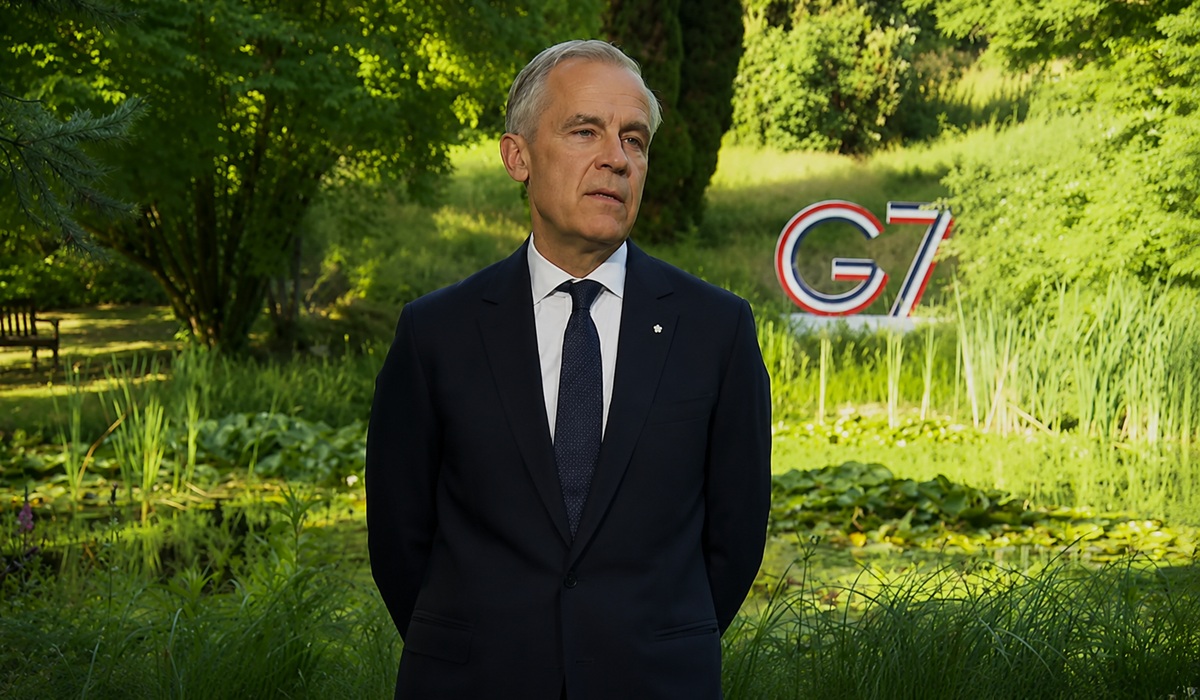
Canada’s latest major national story centres on Prime Minister Mark Carney’s announcement of expanded sanctions targeting Russia’s shadow fleet, energy sector, defence industry and networks accused of helping Moscow evade existing restrictions. The measures were unveiled during the G7 summit, where Canada joined several allies in reaffirming support for Ukraine and discussing additional ways to increase economic pressure on the Russian government. The sanctions represent one of Canada’s most significant recent foreign policy actions and signal Ottawa’s intention to remain actively engaged in international efforts to support Ukraine.
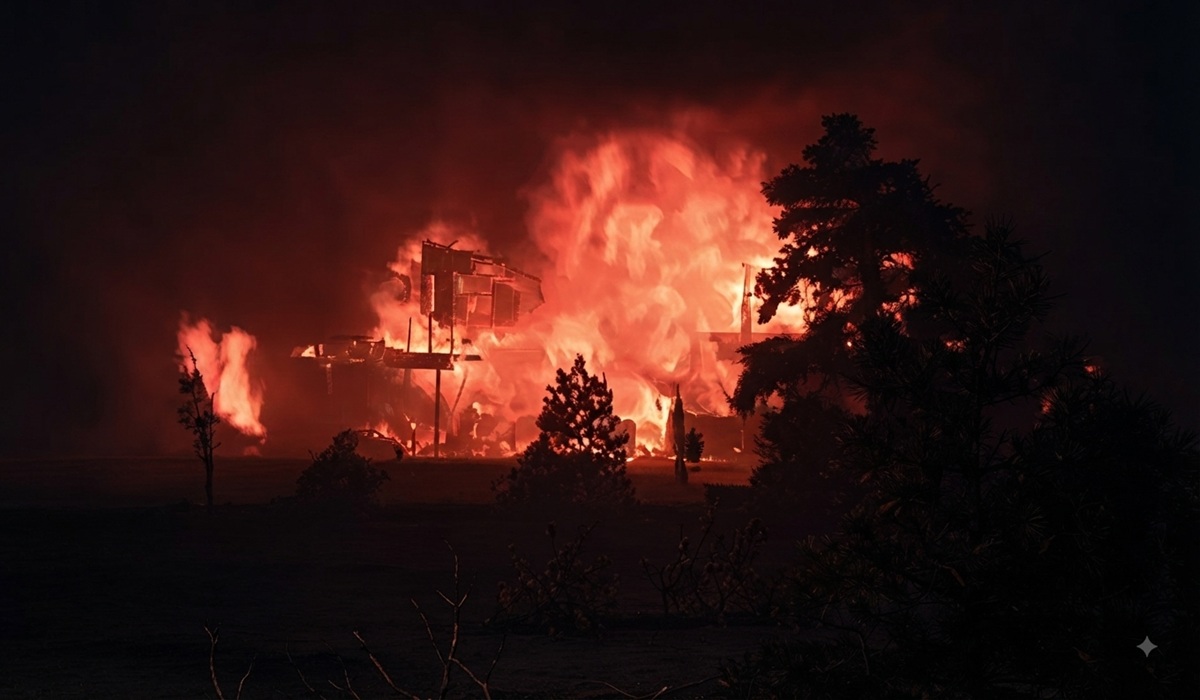
A central focus of the new sanctions involves Russia’s shadow fleet, a network of vessels and supporting organizations used to transport oil through channels designed to avoid international restrictions. Western governments have become increasingly concerned that these operations allow Russia to maintain substantial energy revenues despite years of sanctions. By targeting the infrastructure supporting these shipments, Canada and its allies hope to make it more difficult for Moscow to finance military operations while reducing opportunities to circumvent existing measures.
The announcement was met with a predictable response from Moscow. The Kremlin imposed travel bans on more than one hundred Canadians, including elected officials and government representatives. Officials there accused Canada of pursuing policies hostile to its interests, while Canadian leaders defended the sanctions as necessary measures in response to the ongoing conflict in Ukraine. The exchange highlights the continued deterioration of relations between Canada and the government in Moscow, reflecting broader tensions between Western nations and the Kremlin.
For the Canadian government, the decision also reflects an effort to demonstrate leadership on the international stage. Canada has often been viewed as a middle power that relies heavily on alliances and multilateral cooperation. By participating in coordinated sanctions efforts, Ottawa is reinforcing its commitment to collective action while attempting to maintain influence among key allies. Government officials argue that supporting Ukraine remains both a strategic and moral obligation in the face of continued aggression.
The latest measures also arrive at a time when Canada is facing increasing pressure to strengthen its broader role within NATO and contribute more substantially to international security initiatives. Defence spending, military readiness and Canada’s long-term commitments to allied operations have become recurring topics among partner nations. As geopolitical tensions continue to rise, expectations regarding Canada’s contributions to collective security efforts are likely to grow as well.
At home, however, the government faces the challenge of balancing international priorities with domestic concerns. Canadians continue to grapple with housing affordability, healthcare pressures, infrastructure demands and broader cost-of-living challenges. While sanctions may serve important foreign policy objectives, many voters remain focused on issues affecting their daily lives. The debate highlights a challenge facing governments across much of the Western world: managing complex global crises while ensuring domestic priorities do not become overshadowed by international events.
About The Author