Peace or Payoff? Inside the Proposed U.S.–Iran Deal and the Reported $300 Billion Economic Opportunity
- Hami Aziz
- U.S.A
- June 16, 2026
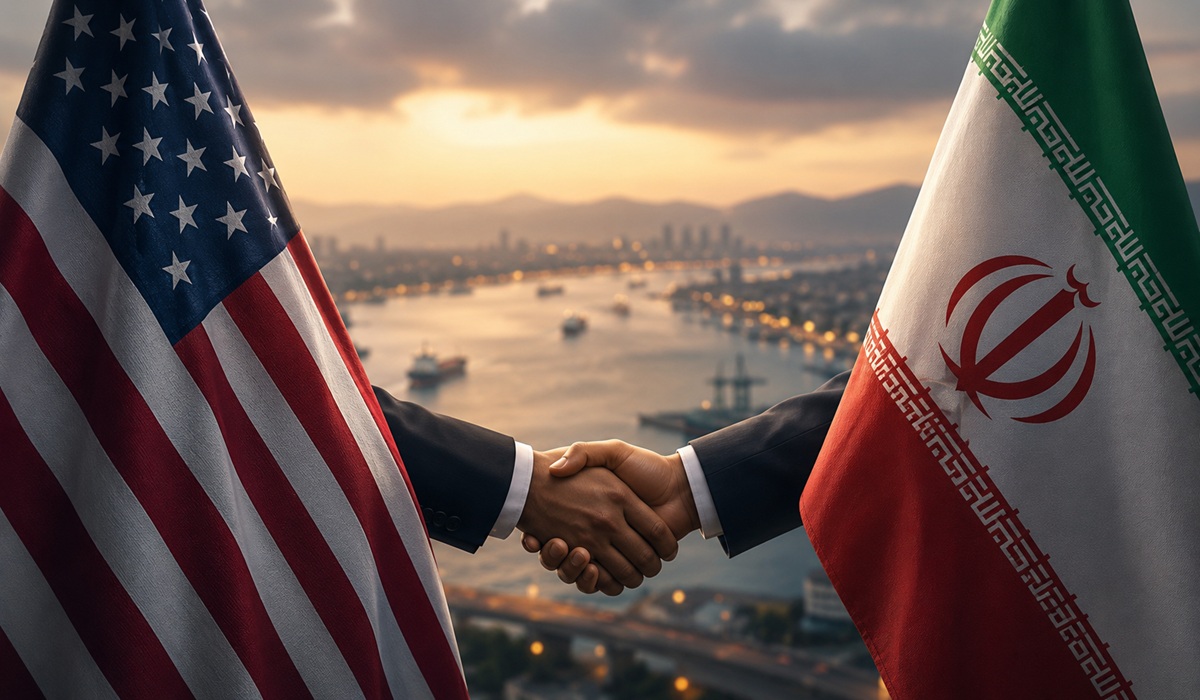
A proposed framework agreement between the United States and Iran is generating headlines around the world, not only because it could reduce tensions in one of the most volatile regions on Earth, but because of reports suggesting Iran could eventually gain access to economic opportunities valued at as much as $300 billion.
The figure has quickly become one of the most debated aspects of the emerging agreement. Supporters argue it represents a pathway toward regional stability and economic normalization. Critics question where the money would come from, what Iran would be expected to give up in return, and whether the reported economic benefits are being overstated. While many details remain under negotiation and some reports have been challenged by officials, the discussions provide a glimpse into what could become one of the most significant diplomatic developments in the Middle East in decades.
At its core, the proposed framework appears designed to reduce the risk of direct conflict between Washington and Tehran while creating conditions for broader negotiations on sanctions, nuclear oversight, regional security, and economic cooperation. Rather than attempting to solve every disagreement immediately, negotiators appear to be focusing on establishing a foundation that would allow both sides to pursue longer-term agreements without the constant threat of military escalation hanging over the process.
One of the most important elements reportedly under discussion involves sanctions relief. For years, Iran has faced significant economic restrictions that have limited its ability to sell oil freely, attract foreign investment, access international banking systems, and participate fully in the global economy. Those sanctions have placed enormous pressure on Iran’s economy while also limiting opportunities for foreign companies interested in doing business in the country.
If sanctions are eased or removed in stages, Iran could regain access to international markets and potentially unlock billions of dollars in economic activity. That does not necessarily mean money would be transferred directly from the United States to Iran. Instead, much of the reported economic value appears to be tied to investment opportunities, energy development, infrastructure projects, trade expansion, and access to financial systems that have largely been unavailable under existing sanctions.
The frequently cited $300 billion figure appears to fall into that category. Based on reporting that has emerged so far, the number is generally being described as a potential long-term economic framework rather than a direct payment. In practical terms, that could include investments in transportation infrastructure, energy production, telecommunications, manufacturing facilities, housing developments, technology projects, and other sectors that could attract both domestic and international capital if political conditions improve.
For Iran, the potential benefits are significant. The country possesses vast energy reserves, a large population, an educated workforce, and a strategic geographic location connecting the Middle East, Central Asia, and parts of Europe. Many economists have long argued that Iran’s economic potential has been constrained by political tensions and sanctions more than by a lack of natural or human resources. Greater access to international markets could create opportunities for growth that have remained largely out of reach for years.
The proposed agreement is also being viewed through the lens of global energy security. Iran remains one of the world’s major energy producers, and any reduction in tensions that allows more Iranian oil to reach international markets could influence global energy prices. Increased supply generally places downward pressure on prices, which is one reason financial markets have closely monitored every development related to the negotiations.
Another major component reportedly involves maritime security and the movement of commercial shipping through the Strait of Hormuz. The narrow waterway serves as one of the world’s most important energy corridors, carrying a substantial portion of global oil exports. Any threat to shipping in the region has the potential to affect markets far beyond the Middle East. A successful agreement that lowers the risk of disruption could provide greater stability for energy producers, consumers, and global supply chains.
The nuclear issue remains one of the most sensitive parts of the negotiations. Reports indicate that Iran would be expected to provide assurances regarding its nuclear activities while accepting various forms of monitoring and oversight. Exactly how those provisions would work, what limits would be imposed, and how compliance would be verified remain subjects of ongoing discussion. These questions are likely to determine whether the framework can evolve into a lasting agreement or become another failed diplomatic effort.
For the United States, supporters of the talks argue that diplomacy offers a less costly and less risky alternative to continued confrontation. Military conflict in the region would carry enormous human, financial, and geopolitical consequences. Advocates of engagement believe that economic incentives can create stronger motivations for long-term stability than sanctions and threats alone. They argue that countries with greater economic integration often have more to lose from instability and conflict.
Critics see the situation differently. Some question whether sanctions relief and expanded economic opportunities could strengthen the Iranian government without securing sufficient concessions in return. Others worry that any agreement perceived as too generous could face significant political opposition both in the United States and among regional allies. Those concerns help explain why even preliminary reports about the potential economic value of the agreement have generated such intense debate.
Israel’s role in the discussion cannot be ignored. Any agreement involving Iran inevitably raises questions about regional security, military balance, and the future of Iran’s relationships with various groups and governments throughout the Middle East. While a reduction in tensions could decrease the risk of a broader regional conflict, many observers believe some of the most difficult issues have yet to be fully addressed.
There is also a practical reality that often gets lost in political debates. Even if a framework agreement is announced, economic transformation does not happen overnight. Large-scale investments take years to plan, finance, approve, and build. Infrastructure projects require long timelines. Business confidence develops gradually. Investors will likely wait to see whether the agreement proves durable before committing substantial amounts of capital.
That reality makes the reported $300 billion figure more of a long-term possibility than an immediate outcome. The number represents what could become available if sanctions are eased, confidence returns, investors participate, and the agreement survives political challenges. It should not be viewed as guaranteed money arriving overnight, nor should it be confused with a direct transfer of funds from the United States government.
At this stage, the most important takeaway is that the proposed U.S.–Iran framework appears to be built around a simple exchange: reduced tensions and greater oversight in return for economic normalization and expanded opportunities. Whether that formula succeeds will depend on the final details, the willingness of both sides to honour their commitments, and the ability of negotiators to overcome decades of mistrust.
The coming weeks will likely determine whether the reported framework becomes a historic breakthrough or another chapter in a long history of unfinished diplomacy. For now, the world is watching closely, because the outcome could influence not only the future of U.S.–Iran relations, but also the broader political and economic stability of the Middle East for years to come.
About The Author