Environmental Pressures and Economic Ambitions Continue Colliding Across the Amazon Region
- Xuemei Pal
- Climate Change
- Breaking News
- May 12, 2026
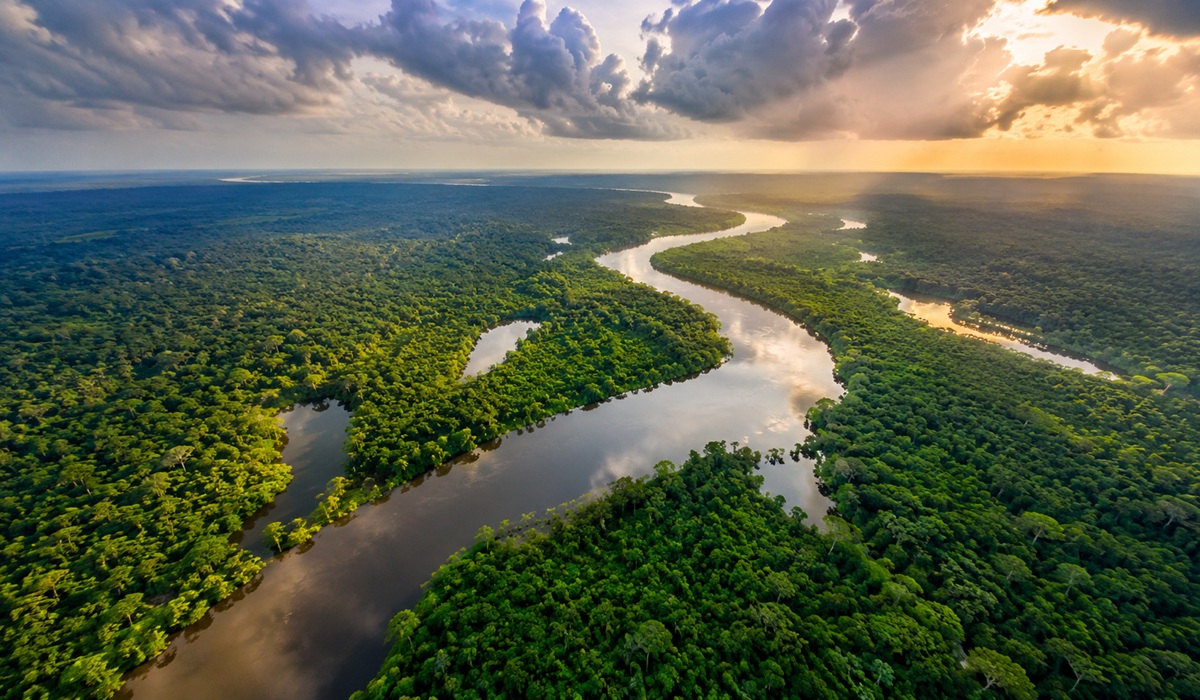
The Amazon rainforest is once again at the centre of intense international attention as scientists, environmental organizations and political leaders warn that portions of the region may be approaching dangerous ecological tipping points. While recent government efforts helped reduce some large-scale deforestation activity, researchers caution that broader environmental degradation continues threatening the long-term stability of one of the world’s most important ecosystems.
Climate experts are particularly concerned about worsening drought conditions and rising temperatures throughout large sections of the rainforest basin. Several research groups have warned that repeated heat waves, prolonged dry seasons and expanding wildfire activity are placing enormous stress on areas that historically depended on stable rainfall cycles. Scientists fear that if enough forest cover is lost, parts of the Amazon could gradually transition from dense rainforest into drier savanna-like terrain, fundamentally altering regional weather patterns and biodiversity.
President Luiz Inácio Lula da Silva’s administration has attempted to position itself internationally as a defender of environmental protections while simultaneously balancing economic pressures inside the country. Illegal logging operations, unauthorized mining activity and land clearing continue challenging enforcement agencies despite increased government crackdowns in several regions. Indigenous leaders have repeatedly warned that criminal networks involved in resource extraction remain highly active in remote territories where state oversight is limited.
Economic development projects are also fueling significant political debate. Energy exploration initiatives, transportation corridors and industrial expansion proposals continue generating tension between environmental advocates and business groups pushing for stronger economic growth. Supporters argue that development is necessary to improve employment opportunities and strengthen regional economies, while opponents warn that aggressive industrial expansion could permanently damage fragile ecosystems already under severe strain.
Global climate discussions are expected to place even greater focus on the Amazon throughout the coming months as governments prepare for future environmental negotiations. International organizations are increasingly discussing conservation financing, carbon credit systems and long-term rainforest protection agreements. At the same time, some political leaders inside the country have expressed frustration with what they view as foreign interference in domestic economic policy. The debate has evolved far beyond environmental concerns alone and is now deeply connected to questions surrounding sovereignty, economic development and global climate responsibility.
Environmental monitoring agencies are also preparing for the possibility of another difficult wildfire season later this year if dry conditions intensify further. Emergency response planning has expanded across multiple regions amid fears that another major wave of fires could accelerate ecological damage while placing additional pressure on already vulnerable communities living throughout the Amazon basin.
About The Author