When the President’s Family Gets Government Contracts, the Conflict Is No Longer Theoretical
- TDS News
- U.S.A
- May 4, 2026
By: Donovan Martin Sr, Editor in Chief
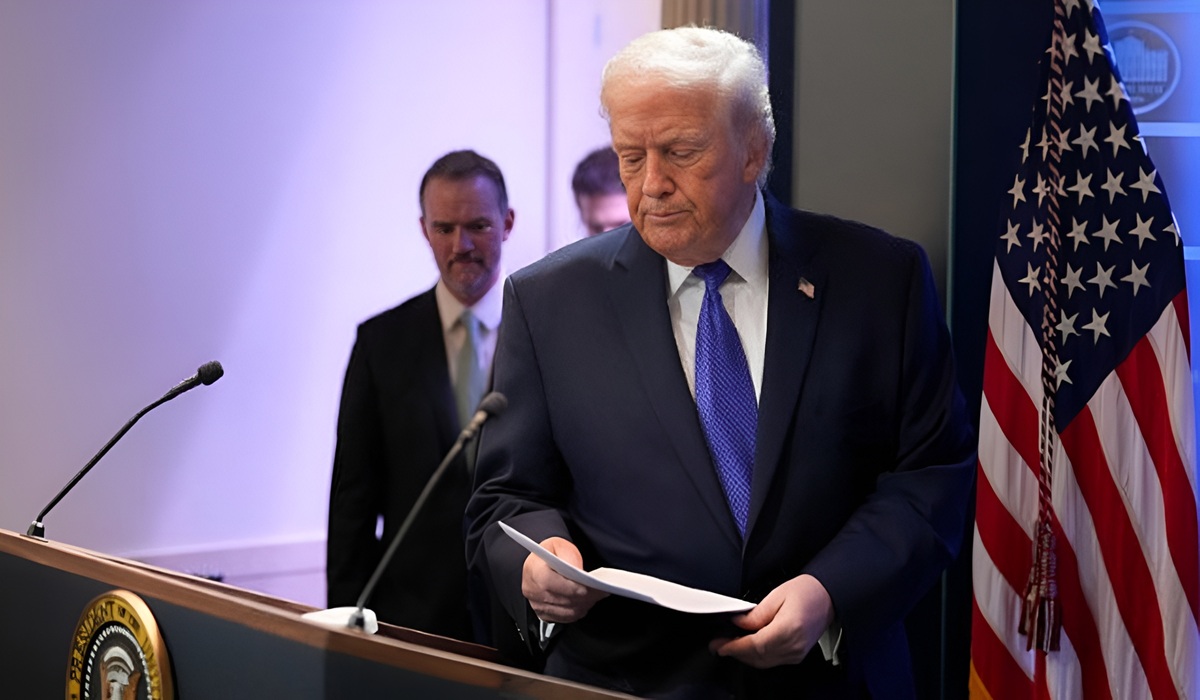
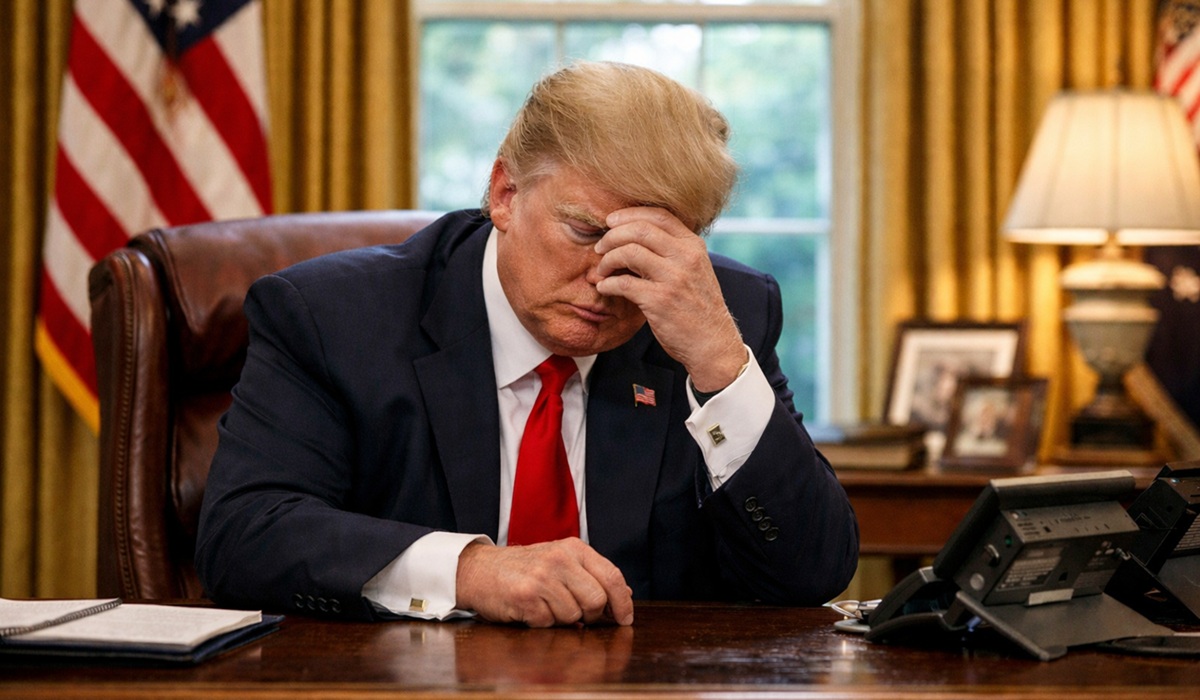
Donald Trump is not a private citizen watching from the sidelines. He is the sitting president of the United States, and that is why the business dealings of his family deserve immediate scrutiny, not polite footnotes buried beneath partisan excuses. When the president’s sons are tied to companies pursuing or receiving Pentagon-related work while their father controls the executive branch, the ethical question is not complicated. It is direct, obvious, and deeply damaging to public trust.
That is the lead. Not Hunter Biden. Not a laptop. Not years of political theatre about whether a president’s son used a famous last name to get a board seat. The lead is that the same political movement that turned Hunter Biden’s role at Burisma into a national scandal is now largely quiet while Donald Trump Jr. and Eric Trump are connected to defense-adjacent ventures during their father’s presidency.
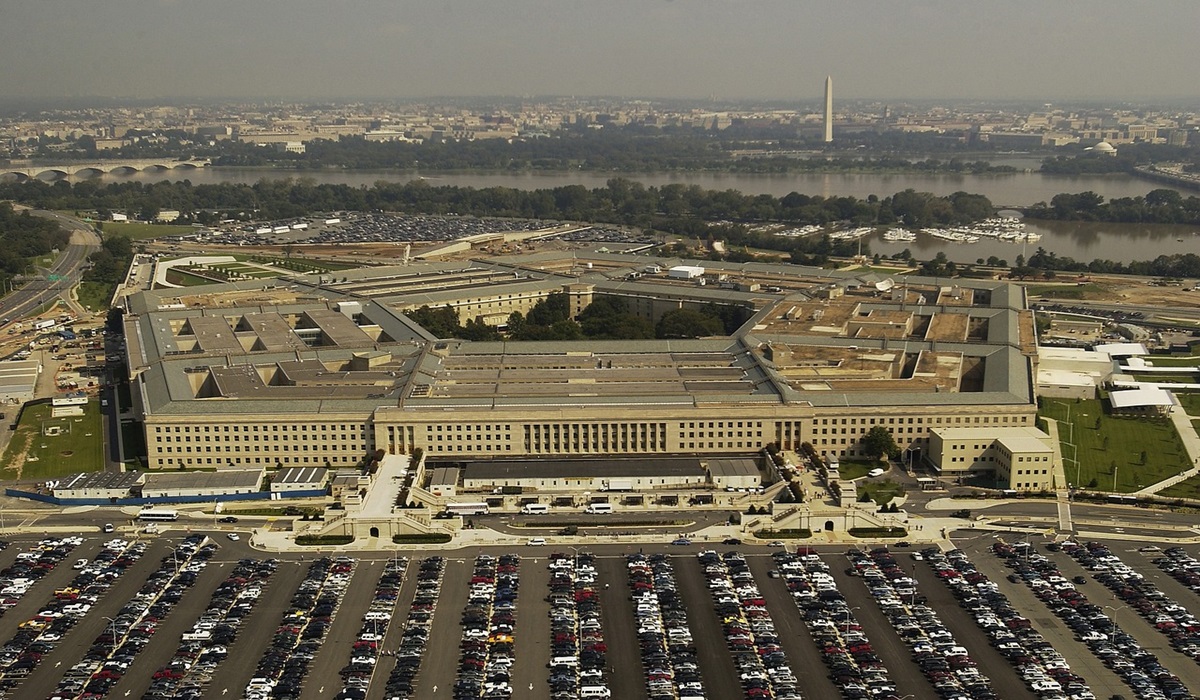
Reports have outlined how a Trump-family-backed drone firm has secured or pursued deals connected to U.S. defense procurement. At the same time, Eric Trump has been linked to a major investment tied to a multibillion-dollar merger involving drone technology, while Donald Trump Jr. has taken advisory roles in companies positioned within the defense and advanced manufacturing space. These are not marginal industries. They sit at the center of national security, federal spending, and long-term geopolitical strategy.
There are also international dimensions that raise equally serious questions. Business interests connected to the family have been associated with a major critical minerals project in Kazakhstan, a sector that has become a priority for U.S. policy as Washington races to secure supply chains tied to energy, defense systems, and emerging technologies. The scale of that project, reportedly reaching into the billions and tied to U.S.-backed financial support, places it firmly within the sphere of government influence, whether direct or indirect.
This is where the hypocrisy becomes impossible to ignore. Hunter Biden was mocked, investigated, and publicly humiliated because he sat on the board of Burisma while Joe Biden was vice president. Republicans argued that even the appearance of influence justified hearings, subpoenas, and relentless scrutiny. Entire congressional efforts were built around the idea that access to power, even without proven wrongdoing, was enough to demand accountability.
Now the standard has shifted. When the president’s own sons are tied to ventures involving drones, defense technology, and critical minerals, industries that intersect directly with federal contracts and policy priorities, the outrage has largely disappeared. The same voices that once framed influence as corruption now treat similar dynamics as business as usual.
This is why public frustration runs so deep. People are not struggling to understand the complexity of these deals. They are reacting to the simplicity of the double standard. One family becomes a symbol of everything wrong with Washington. Another operates in the shadow of the presidency with far less resistance, even as the stakes are arguably higher.
No one needs to argue that every deal is illegal to recognize the problem. Conflicts of interest do not begin with a conviction. They begin when public power and private opportunity become intertwined in ways that erode confidence in the system. When the president’s family is positioned within industries that depend on government contracts or policy direction, the burden of transparency should increase, not disappear.
The silence from Republican leadership is part of the story. If the principle was that political families must be held to strict ethical standards, then that principle cannot change depending on who holds office. Oversight cannot be selective without becoming meaningless.
And that is the broader consequence. Trust in government does not collapse overnight. It erodes when people see rules applied unevenly, when outrage is used as a tool rather than a standard, and when accountability appears to depend on political alignment. The result is a growing belief that the system is not built on fairness, but on access and protection for those closest to power.
That belief is difficult to reverse once it takes hold. When citizens begin to assume that there are two sets of rules, one for political opponents and another for those in control, the legitimacy of institutions starts to weaken. The danger is not just political. It is structural. A system that is seen as inconsistent eventually becomes one that is no longer trusted at all.
The question is no longer whether conflicts of interest exist in theory. It is whether anyone is willing to apply the same standards, regardless of whose name is attached.
About The Author