United States: Volatility Returns as Policy and Markets Drift Apart
- Naomi Dela Cruz
- U.S.A
- April 30, 2026
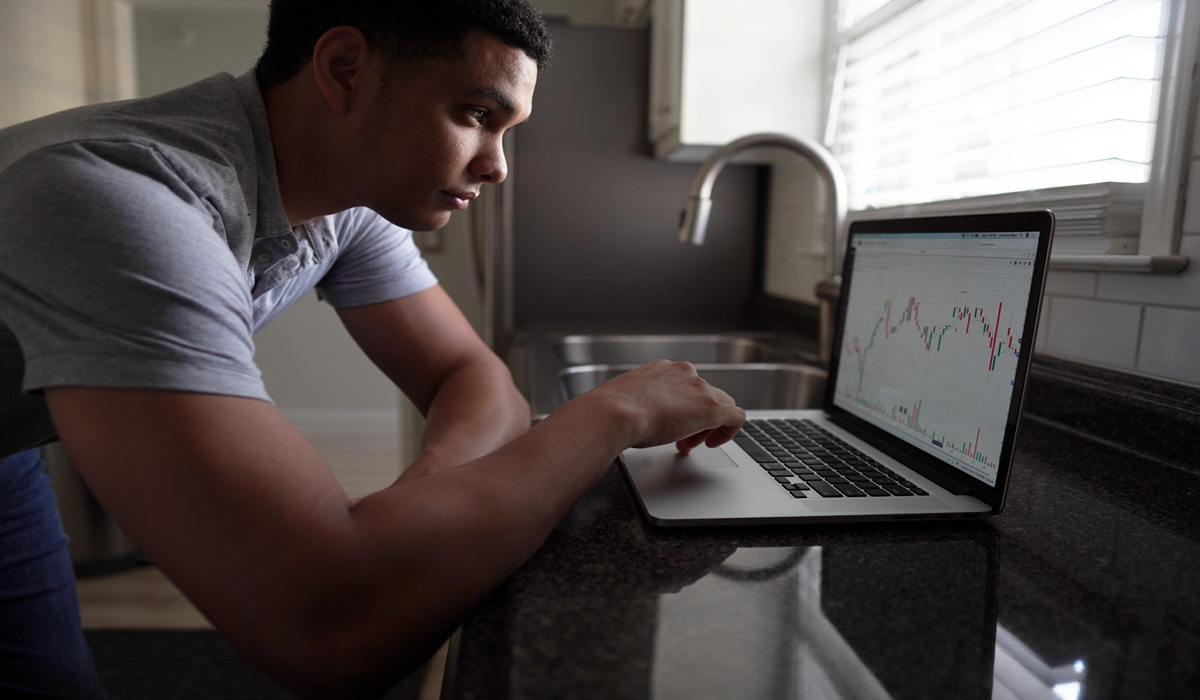
Image credit: TheInvestorPost
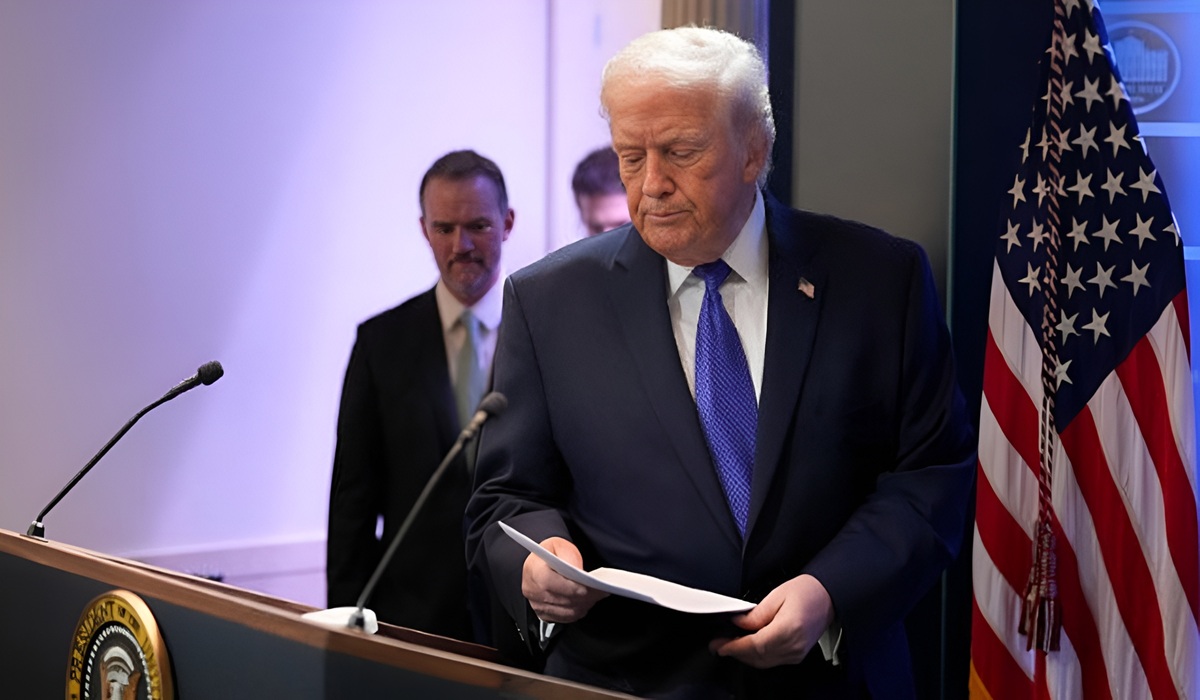
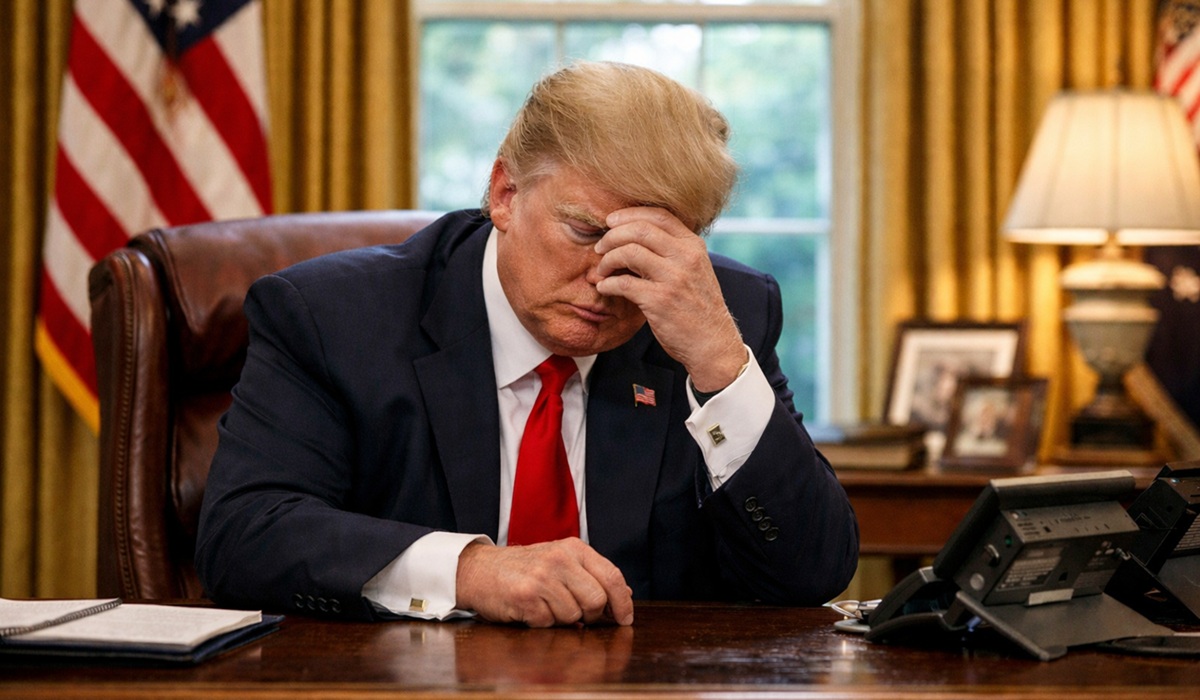
The United States is entering a period where volatility is no longer an occasional disruption but a defining feature of the market environment. Under President Donald Trump, policy direction has become less predictable, and that unpredictability is now reflected in the behavior of financial markets. Investors are reacting not only to economic data but to the pace and tone of policy announcements, which often arrive without the traditional signaling that markets rely on to adjust expectations. The result is sharper, more frequent swings across equities, bonds, and currency markets.
The Federal Reserve is navigating a narrow path. Inflation has moderated from its peak, but it remains persistent in key areas such as housing and services. At the same time, the labour market continues to show resilience, with unemployment remaining relatively low and job creation continuing at a steady pace. This combination limits the central bank’s ability to cut rates aggressively, as doing so too quickly could reignite inflationary pressures. As a result, monetary policy remains restrictive, and borrowing costs continue to weigh on both consumers and businesses.
Corporate performance reflects this tension. Large technology firms continue to deliver strong earnings, supported by global demand and significant capital reserves, while mid-sized companies are facing tighter margins due to higher financing costs and wage pressures. This divergence is creating an uneven market environment where headline indices may appear stable, but underlying conditions are far more fragile.
Consumer behavior is beginning to show signs of strain. Credit card balances have risen sharply, and delinquency rates are moving higher, particularly among lower-income households. The savings accumulated during the pandemic have largely been depleted, leaving less buffer against rising costs. These trends are not yet severe enough to trigger a downturn, but they represent early indicators of vulnerability. In an environment where interest rates remain high, even modest increases in financial stress can have amplified effects.
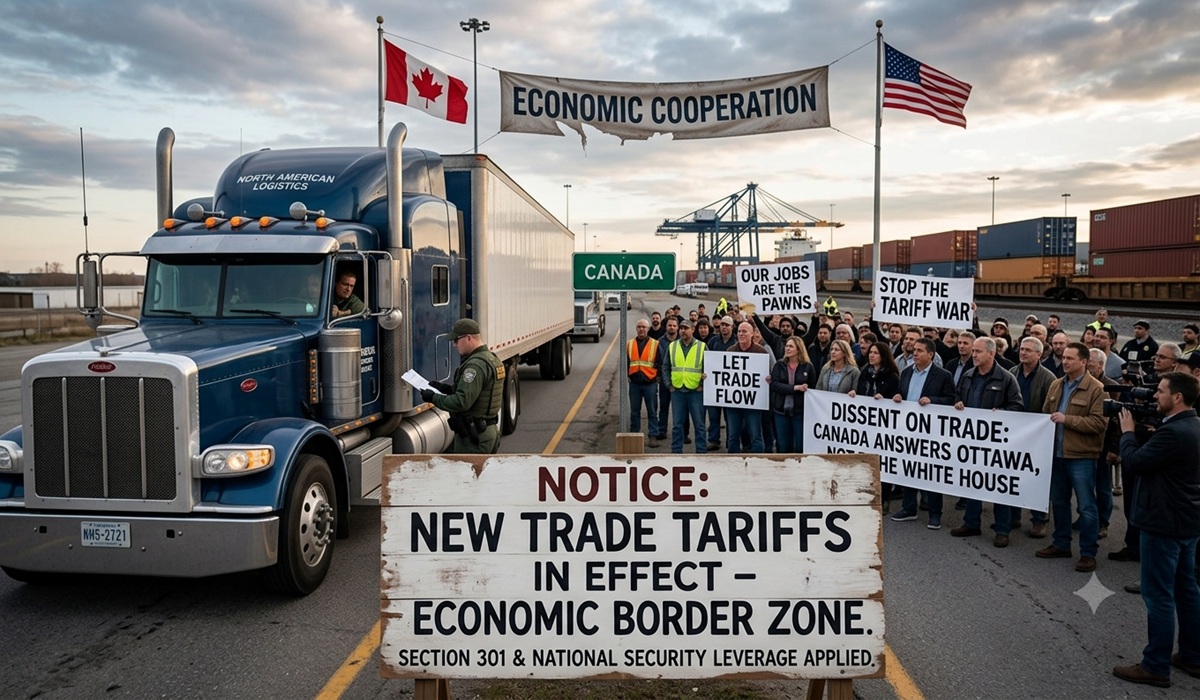
What makes this moment particularly sensitive is the role of uncertainty. Policy announcements that shift direction quickly can move markets in ways that are difficult to anticipate. Geopolitical developments, trade decisions, and fiscal changes are all contributing to a sense that the economic outlook is less stable than headline data might suggest. Volatility thrives in that environment, and as it becomes more persistent, it begins to influence behavior across the economy. Investment decisions become more cautious, corporate planning becomes more conservative, and consumer confidence weakens.
The United States is not in immediate crisis, but it is operating in a more fragile equilibrium. The gap between surface-level strength and underlying strain is widening, and markets are adjusting accordingly. Volatility is no longer a reaction; it is becoming the baseline condition.
About The Author