Canada: Resource Development Collides With Indigenous Rights in a Defining National Test
- Ingrid Jones
- Canada
- Indigenous
- April 22, 2026
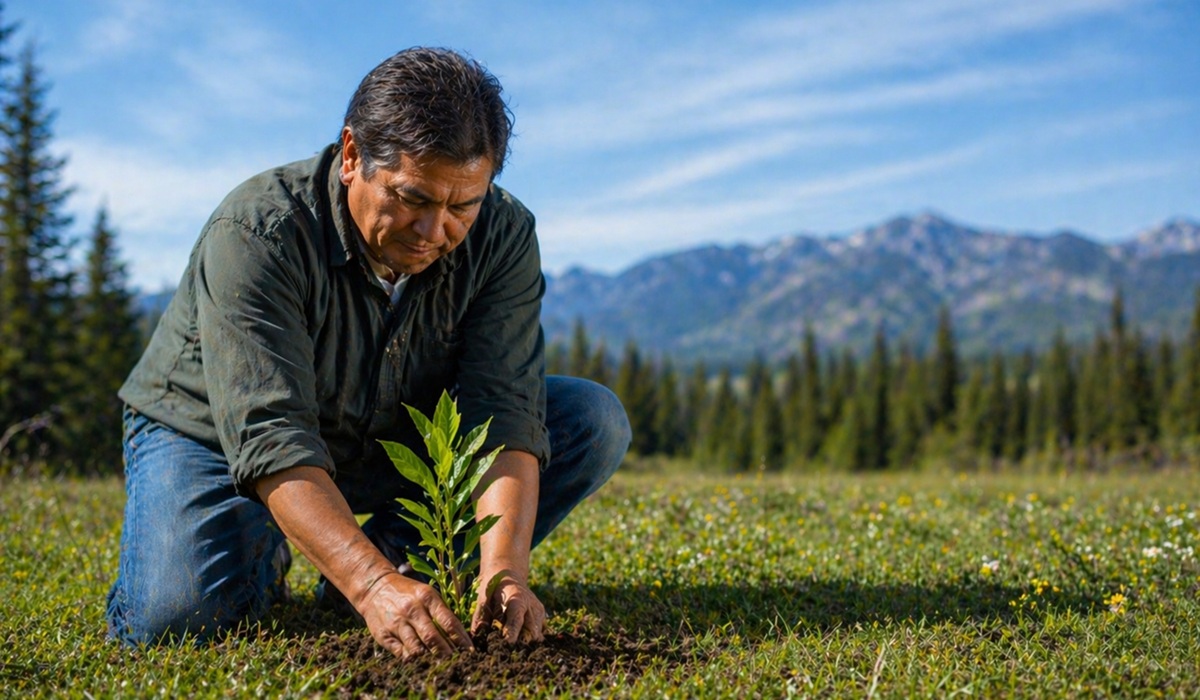
Canada is facing a moment that feels less like a policy debate and more like a reckoning. Across the country, resource development projects continue to move forward, but the resistance from Indigenous communities is no longer being treated as a secondary obstacle. It has become central to whether these projects proceed at all, and more importantly, how the country defines fairness, ownership, and respect moving forward.
For generations, development decisions were made with limited input from the communities most affected by them. That approach created deep and lasting resentment, particularly when environmental damage and economic exclusion followed. Today, that model is being challenged directly. Indigenous leaders are not simply asking to be consulted. They are demanding a meaningful role in decision-making, along with a fair share of the benefits tied to the use of their lands.
The federal government has attempted to respond through policy shifts, including the adoption of the United Nations Declaration on the Rights of Indigenous Peoples. On paper, this represents a commitment to partnership and recognition. In practice, implementation has been uneven, and in some cases, frustratingly slow. There are examples where agreements have been reached, where projects have moved forward with cooperation and shared benefit. There are also many where negotiations stall, legal battles emerge, and trust continues to erode.
The challenge is not just legal or economic. It is deeply human. Communities that have experienced generations of exclusion are now being asked to trust a system that historically did not serve them. At the same time, governments face pressure to advance projects tied to jobs, energy security, and economic growth. Balancing those realities is not straightforward, and it cannot be resolved through surface-level solutions.
What is becoming clear is that the old approach is no longer sustainable. Pushing projects forward without genuine consent invites conflict and delay. Ignoring economic opportunity is not realistic either. The space in between is where Canada now finds itself, trying to redefine how development works in a way that does not repeat past mistakes.
The outcome of this moment will extend far beyond individual projects. It will shape how the country understands reconciliation, not as a concept, but as a lived reality. If done properly, it could create a new framework built on shared responsibility and mutual respect. If mishandled, it risks reinforcing the very divisions Canada has spent years trying to address.
This is not just about land or resources. It is about whether the country is willing to align its actions with its stated values, and whether those values can hold under pressure when real economic stakes are involved.
About The Author