What the Boom in Data Center Construction Means for Local Communities
- Casey Cartwright
- Technology
- May 12, 2026
The tech industry has been on a building spree and is reshaping communities across the country in ways that deserve serious attention. What the boom in data center construction means for local communities isn’t a simple story of economic progress. It’s a complex mix of economic trade-offs and environmental pressures, and the communities that sit closest to these projects feel both sides of that tension most acutely. From rural Virginia to the Arizona desert, local governments are wrestling with decisions that will shape their water supply and their political identity for generations to come.
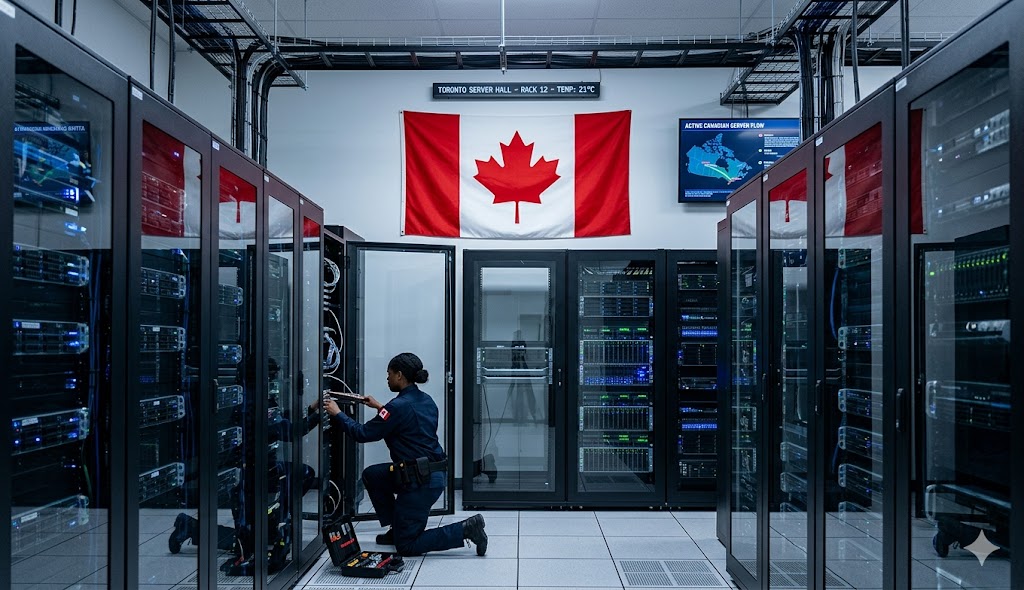
Data centers are the physical backbone of the digital economy. They house the servers that run cloud applications and power artificial intelligence workloads. Major technology companies have spent hundreds of billions of dollars building these facilities over the past decade, and that construction pace continues to accelerate.
This buildout has intensified sharply since 2022, as generative AI applications drove demand for processing power that far exceeded the capacity of existing infrastructure. With analysts projecting that U.S. data centers could consume a significant portion of the national power grid by 2030, the stakes for communities on the receiving end of this growth couldn’t be higher.
The economic pitch that data center developers make to local governments tends to follow a familiar script. They promise tax revenue and job creation for communities that have long struggled to attract investment. Those promises sometimes deliver.
Data centers generate substantial property tax revenue, and their construction phases create employment for local contractors. Workers who operate these facilities earn good wages, and the companies that build them often bring capital investment into regions that attracted little private development for years.
But the long-term economic picture is more complicated. A data center that costs $500 million to build might employ only 30 to 50 full-time workers once it becomes operational. That’s a stark contrast to the manufacturing plants that once anchored small-town economies.
Beyond the job numbers, there’s a deeper concern worth examining. When a single large facility dominates a local economy, the community’s fiscal health is tied directly to that company’s decisions about expansion and eventual decommissioning. Many localities have also offered significant tax abatements to attract these facilities, which can significantly reduce the near-term fiscal benefit.
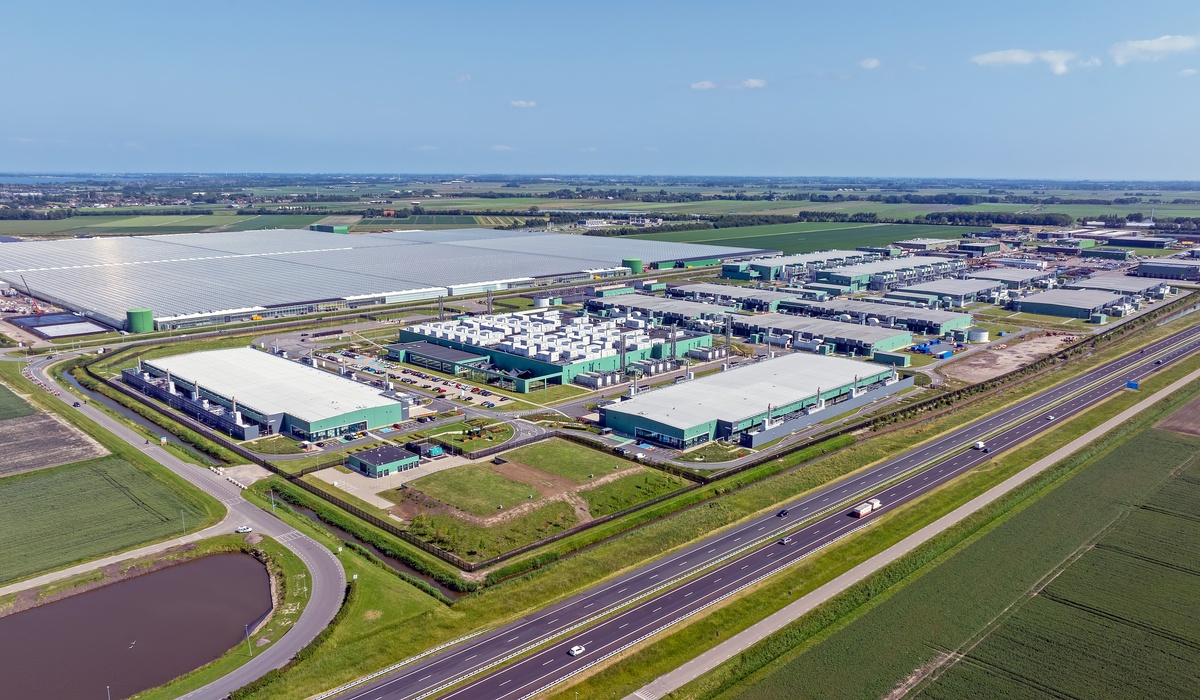
Land use is another pressure point. Data centers require large parcels of flat land near reliable power infrastructure with direct fiber access. That combination frequently points developers toward agricultural areas, where land costs are lower and local governments are more eager to negotiate.
Farmers who sell to data center developers receive a windfall, but the communities around them face a real shift in the character of their landscape. Industrial facilities replace crop fields, and the rural identity that many of these towns have built their civic culture around begins to erode in ways that are hard to reverse.
Similarly, the water issue deserves more public attention than it typically receives. Most large data centers rely on evaporative cooling systems that consume millions of gallons of water each year. In areas already dealing with drought conditions or strained municipal water supplies, this demand places serious stress on local infrastructure.
Several communities in the western United States have pushed back against planned data center projects due to water concerns. Those objections are a legitimate policy debate about whether industrial water consumption at this scale serves a region’s long-term interests.
Power demand is where the political stakes get especially high. The electricity required to run modern data centers has prompted utility companies and grid operators to fast-track new generation capacity. That includes natural gas plants in some cases, which creates direct tension with state and local clean energy commitments.
Workers who rely on heavy-duty tools for industrial use to build and maintain these facilities might find their job security tied to fights happening in state legislatures and federal regulatory agencies. As debates over renewable energy standards and carbon emissions targets intensify, the future of these jobs could fluctuate with every shift in regulatory priorities and political leadership.
The conversation about data center policy has also started to expand beyond national borders. Tech executives have begun floating serious proposals for AI data centers in outerspace, citing the benefits of continuous solar power and the elimination of land and water constraints.
Whether that vision becomes practical in the near future remains an open question, but it signals how far ahead the industry is already thinking. The pace of technological change often outstrips local governments’ ability to anticipate or respond effectively to its impacts. Local communities are dealing with the immediate consequences of decisions made by corporate executives today, with little notice and even less input.
The political dynamics surrounding data center construction reflect broader tensions regarding how communities relate to large-scale capital investment. Tech companies carry a cultural prestige that can make local officials reluctant to push back hard during negotiations. Local officials sometimes dismiss concerns about water consumption or land use as obstacles to progress. That dynamic needs to shift.
The industry won’t regulate itself, and the evidence suggests that deference rarely pays off. Without strong local advocacy, valuable opportunities for community improvements may be lost in negotiation. Communities have a right to extract the maximum public benefit from private development and say no when a project doesn’t meet their standards.
Local governments do have real tools at their disposal. Community benefit agreements and updated zoning codes can give residents meaningful leverage when they sit across the table from developers. Some jurisdictions have used these instruments well. Prince William County, Virginia, implemented a detailed review process after years of rapid data center growth that outpaced local infrastructure capacity. That kind of deliberate, community-centered approach is what more towns and counties need as the construction wave continues to expand from established tech corridors into less-prepared regions.
What the boom in data center construction means for local communities ultimately depends on the choices that residents and their elected officials make together. Communities that engage in this challenge with clear goals and strong negotiating positions will achieve far better outcomes than those that accept whatever terms a developer brings to the table.
Growth itself isn’t the problem. The problem is growth without accountability, and that’s a challenge worth taking seriously. Unchecked expansion can strain local resources, alter community identity, and create long-term problems that are difficult to reverse. Real progress will come when communities insist on having a seat at the table as these decisions are made.
About The Author