Unifying the Campus: Don Woodstock’s Parking Strategy Changes the Game for Winnipeg Students
- TDS News
- Trending News
- September 18, 2026
Editorial Board
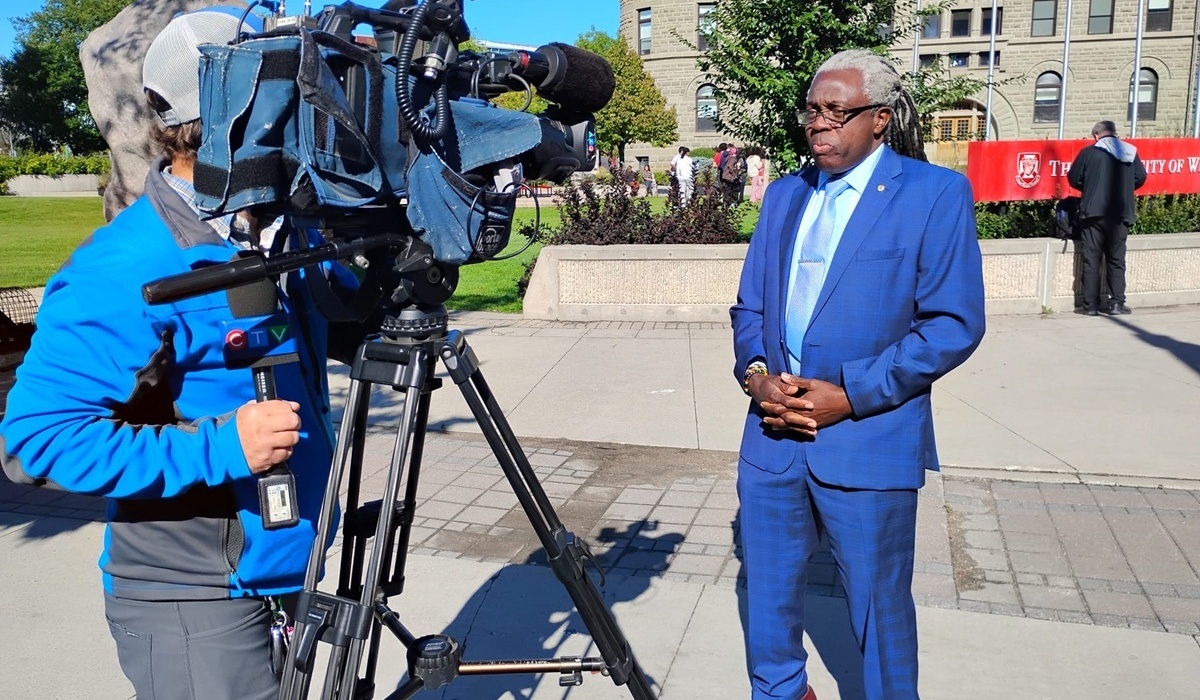
When mayoral candidate Don Woodstock stood outside the University of Winnipeg to unveil a comprehensive student parking strategy, he did something entirely unprecedented in modern municipal politics by aligning student leadership behind a single, cohesive vision for urban affordability. For decades, post-secondary students across Winnipeg have quietly absorbed an invisible tax just to attend classes, watching tuition, rent, and course materials climb while transportation costs quietly bleed their monthly budgets dry. By proposing a flat fifty-dollar monthly civic parking pass that covers all city-owned surface lots, parkades, and street meters, the campaign has struck a nerve by offering a tangible solution to a pervasive economic trap. What makes this policy a genuine turning point in the election cycle is not merely the promise of discounted rates, but the structural logic underpinning how the city manages its own physical assets and neglected urban spaces.
The mechanical brilliance of the proposal lies in utilizing existing municipal infrastructure rather than inventing new administrative bureaucracies. The Winnipeg Parking Authority operates as a city-owned entity, meaning the lots, meters, and parking structures already belong to the citizens of Winnipeg and generate millions in annual dividends for the general revenue fund. By opening up underutilized capacity to students at a predictable, capped monthly rate, the city can monetize dormant stalls while simultaneously injecting millions of dollars of relief directly back into the pockets of young adults who are struggling to choose between basic groceries and driving to campus. Furthermore, introducing a high-volume, low-cost municipal option creates healthy competition against private commercial lots and institutional parking monopolies, applying downward pressure on runaway rates across the entire downtown and educational corridors.
Beyond optimizing existing municipal spaces, Woodstock has confronted a darker symptom of urban decay that has plagued Winnipeg neighborhoods for years: derelict, abandoned properties and empty lots sitting vacant near core areas. While past administrations have treated these blighted spaces as passive eyesores or ignored them entirely, this policy targets them as strategic opportunities for community revitalization. Many of these long-abandoned parcels and decaying structures have devolved into hazardous community liabilities characterized by accumulated debris, discarded drug paraphernalia, and neglected physical hazards sitting right on public thoroughfares. By proposing aggressive municipal intervention—including the potential reclamation or expropriation of chronically neglected sites—the city can systematically convert dangerous urban blight into clean, secure, student-dedicated parking lots. This dual-benefit approach cleans up rotting neighborhood infrastructure, eliminates localized safety hazards, and directly expands the inventory of accessible parking where students need it most.
The alignment of student union voices behind this initiative underscores how deeply the parking crisis impacts day-to-day academic life. When students are forced to spend upwards of two to three hundred dollars a month just to park near a lecture hall or medical rotation, the financial strain compromises their ability to focus on education and professional training. Unreliable public transit options often leave driving as the only viable alternative for individuals juggling clinical schedules, late-night studies, or part-time employment, making exorbitant parking fees an unavoidable penalty for pursuing higher learning. By addressing this friction point directly through common-sense municipal policy, the campaign has provided a masterclass in practical governance that treats students not as an afterthought, but as vital contributors to Winnipeg’s economic and cultural ecosystem.
Ultimately, this unified student-focused transportation platform demonstrates that municipal politics can deliver tangible, ground-level improvements when leaders focus on utilizing existing municipal capacity to solve everyday hardships. By transforming an overlooked economic friction point into an actionable structural victory, the campaign has redefined how candidates can successfully engage youth voters through pragmatic policy rather than empty rhetoric.
About The Author