Trump Shocks Washington With Primetime Address Targeting Elections and Broadcast Licenses
- Ingrid Jones
- U.S.A
- July 17, 2026
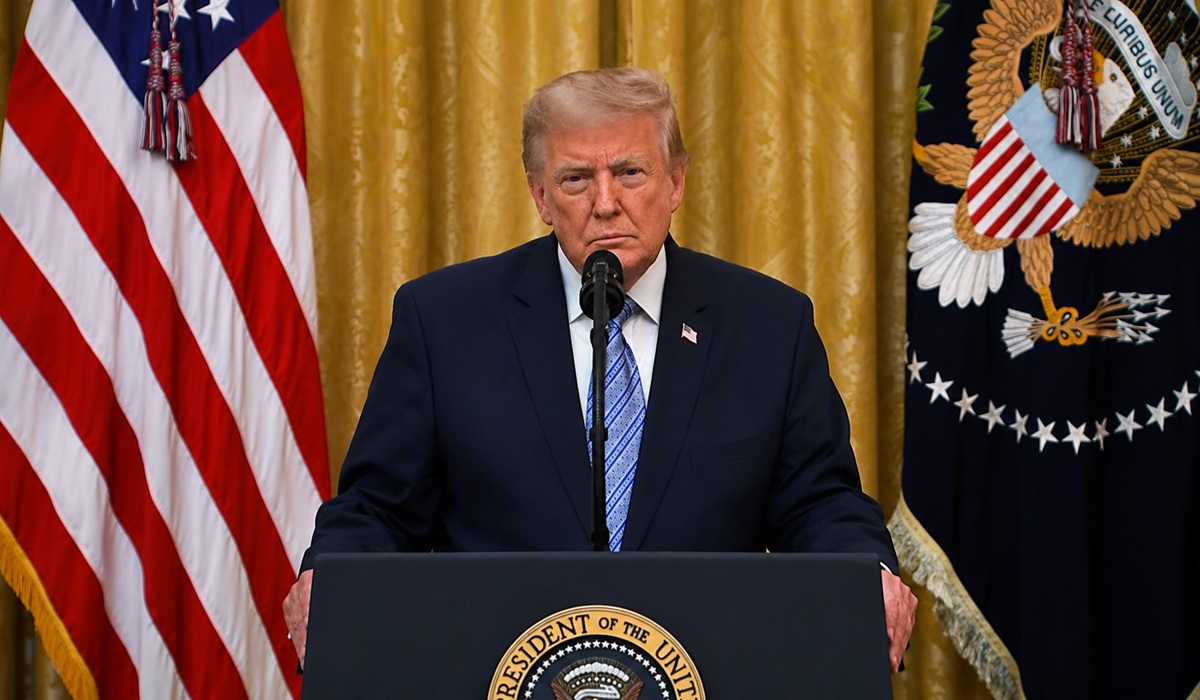
WASHINGTON (AP) — President Donald Trump bypassed traditional media channels Thursday night to deliver a surprise primetime address from the East Room of the White House, using the national platform to launch a sweeping attack on the U.S. election system and issue an extraordinary warning to television networks that declined to carry his remarks live.
The unscheduled 45-minute broadcast, which caught even some congressional allies by surprise, combined domestic political grievances with aggressive foreign policy pronouncements. Trump focused extensively on what he characterized as systemic vulnerabilities in electronic voting infrastructure, calling on Congress to immediately pass legislation mandating paper ballots and strict national voter identification standards ahead of the upcoming midterm elections.
Federal election security officials, cybersecurity experts, and bipartisan coalitions of state election directors have repeatedly affirmed the security and integrity of modern U.S. voting systems. However, Trump spent the opening fifteen minutes of his speech arguing that electronic machines are susceptible to foreign manipulation and technical glitches.
“We cannot have a great country without secure, reliable borders, and we cannot have a great country without secure, reliable elections,” Trump said, standing before a backdrop of American flags. “We are going to paper ballots, and we are going to do it quickly. The American people deserve to know their votes are counted accurately, without interference from machines that nobody truly understands.”
The address immediately sparked a fierce constitutional debate, not only for its policy proposals but for the president’s direct threats against the press. Prior to the broadcast, the White House press office had billed the speech as an urgent address on national security and border protection. Upon learning of the political nature of the prepared remarks, several major broadcast and cable television networks opted not to interrupt their scheduled programming, choosing instead to stream the address online or cover it during regular news segments.
Trump reacted angrily during the live broadcast, suggesting that the Federal Communications Commission should review the broadcasting licenses of networks that did not carry his speech.
“When the president of the United States has an important message for the citizens of this country, these networks have a public responsibility to air it,” Trump said. “They use the public airwaves for free, yet they choose to censor the president. We are going to take a very close look at their licenses, believe me. You cannot have a free country when a handful of media executives decide what the public can and cannot hear.”
Legal scholars and first amendment advocates quickly condemned the remarks, pointing out that the president does not have the unilateral authority to revoke broadcasting licenses, which are regulated by the independent FCC under strict statutory guidelines.
“The president’s threat to weaponize the FCC against news organizations that exercise editorial independence is a direct assault on the First Amendment,” said Jeremy Forrester, a constitutional scholar at the Georgetown University Law Center. “The government cannot revoke a broadcast license simply because a station chooses not to carry a political speech. That is the hallmark of authoritarian governance, not a constitutional republic.”
On Capitol Hill, the reaction split sharply along party lines. Democratic leaders accused Trump of using public resources and the stature of the White House to deliver a campaign-style speech designed to whip up his political base.
“What we saw tonight was not a national security address; it was a taxpayer-funded campaign rally disguised as a presidential broadcast,” Senate Minority Leader Chuck Schumer said in a joint statement with House Democratic leaders. “The president’s threats against free media outlets are dangerous, illegal, and an abuse of power. Instead of addressing the actual economic challenges facing American families, the president chose to air old grievances and threaten our democratic institutions.”
In contrast, congressional Republicans largely rallied behind the president’s calls for stricter voting laws, though several key lawmakers quietly distanced themselves from his threats against broadcasters.
“The president is entirely correct that voter confidence is at an all-time low, and federal standards for voter ID are a common-sense solution supported by a majority of Americans,” said House Speaker Mike Johnson during an appearance on cable news shortly after the address. “Regarding the networks, that is a matter of public debate, but our primary focus in Congress will be working on legislative measures to secure our ballot boxes.”
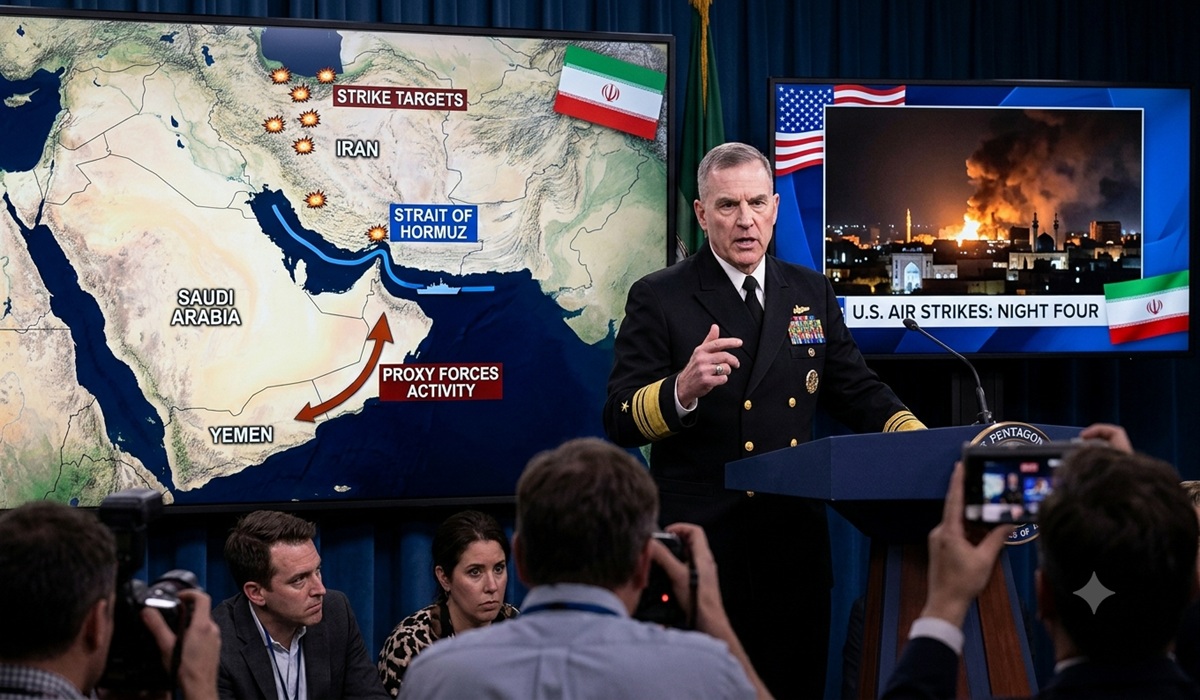
The address also contained several warnings directed at foreign adversaries, which administration officials later characterized as the core national security justification for the broadcast. Trump warned Iran that any further provocations in the Middle East would meet with “overwhelming and decisive force,” and warned neighboring Canada that his administration would not hesitate to tighten border restrictions if trade disputes were not resolved to his satisfaction.
As the political fallout from the address continues to reverberate, industry analysts suggest the clash between the White House and major media conglomerates will likely escalate.
“This marks a new chapter in the administration’s adversarial relationship with the press,” said media analyst Sarah Jenkins. “By threatening licensing reviews, the administration is signaling that it expects compliance from traditional broadcasters, setting up a high-stakes legal and political battle over the boundaries of executive influence on the public airwaves.”
About The Author