Tensions Spiral As Trump Administration Expands Iran Strikes, Reinstates Naval Blockade
- Hami Aziz
- U.S.A
- July 16, 2026
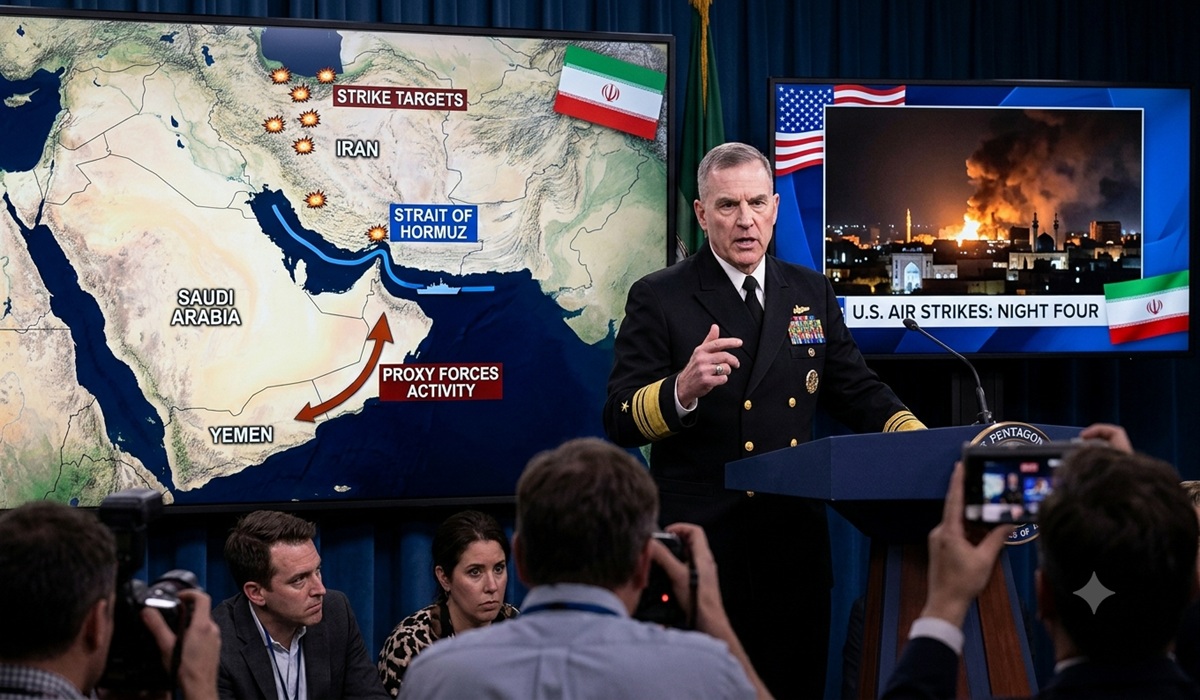
WASHINGTON (AP) — The Trump administration’s military confrontation with Iran is rapidly spiraling into a broader regional crisis, as the United States launched a fourth consecutive night of airstrikes and officially reinstated a naval blockade on the Islamic Republic.
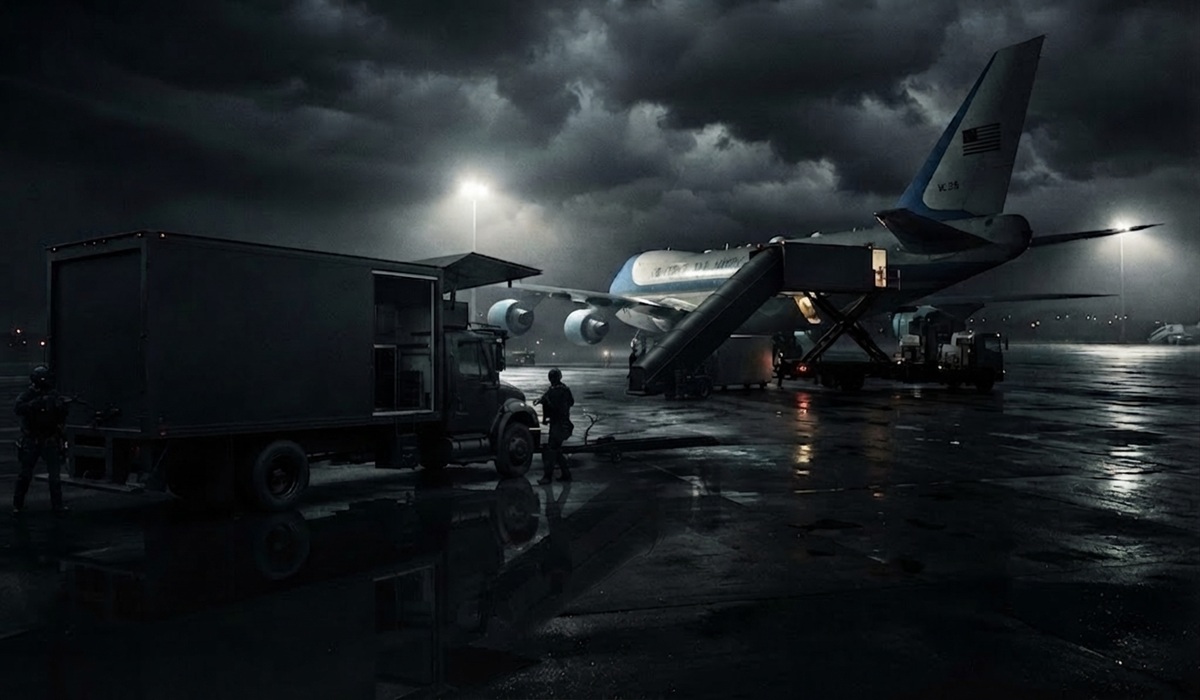
The escalating conflict, which has already drawn in proxy forces across the Middle East, shows no signs of slowing down. U.S. military forces targeted an Iranian army barracks overnight, an operation that Iranian officials claim killed at least seven troops and wounded roughly 260 people across the country. The U.S. Central Command (CENTCOM) confirmed the latest round of strikes on Tuesday and announced that the naval blockade had resumed, effectively choking off strategic maritime routes.
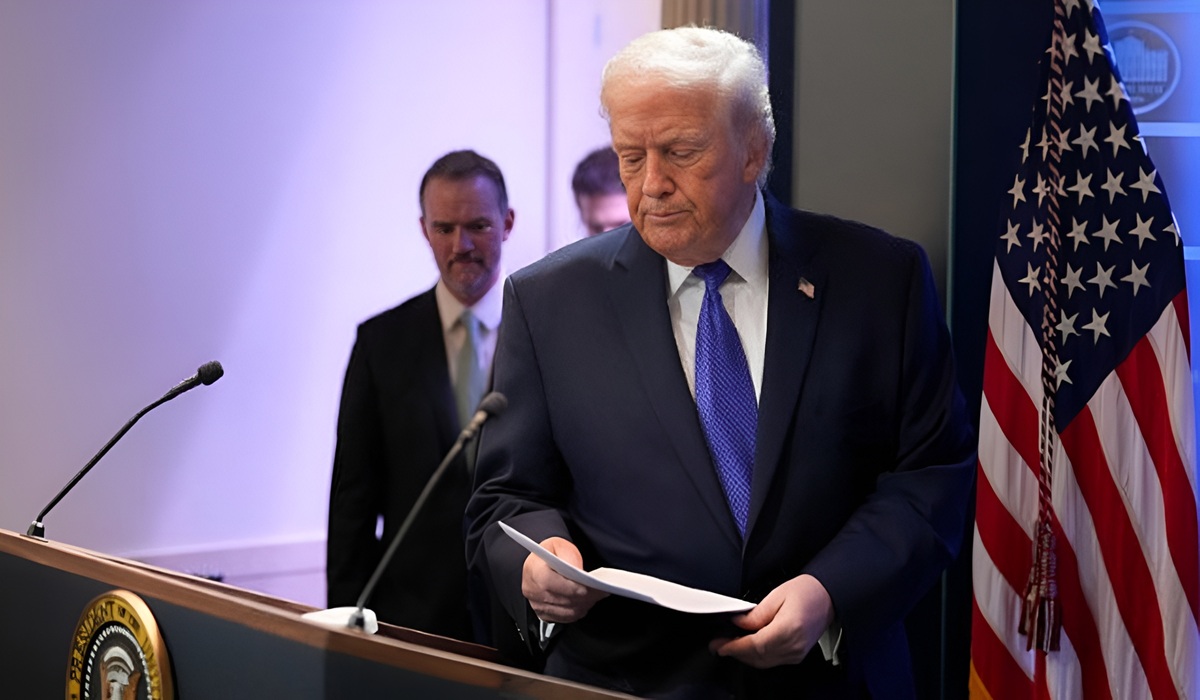
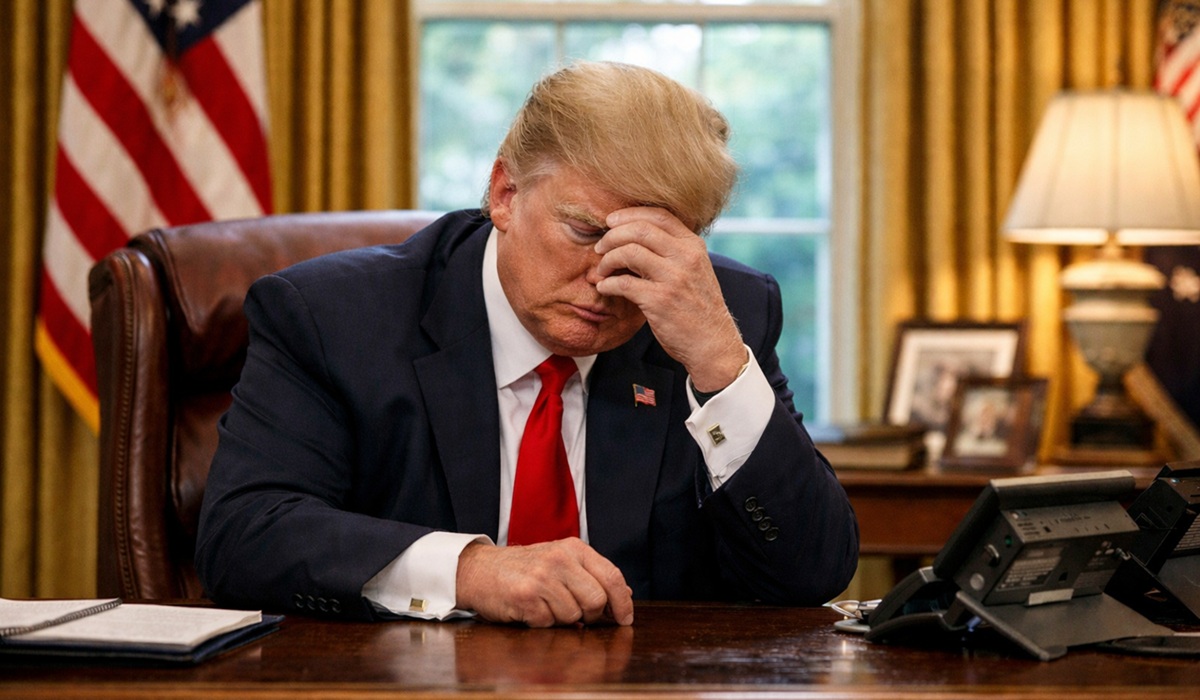
Speaking at a Defense and Innovation Summit in Pennsylvania on Wednesday, President Donald Trump delivered a blunt warning to Tehran. “I don’t like giving deadlines, but they pretty much know — they know the story,” Trump told reporters. “They better behave.”
Behind the scenes, the threats are increasingly severe. The president has reportedly warned that American forces will begin targeting critical Iranian civilian infrastructure, including power plants and bridges, by next week unless Tehran agrees to return to the negotiating table. Administration sources indicate that Trump convened a Situation Room meeting to discuss an even more massive offensive that would widen the scope of the war far beyond the current skirmishes surrounding the Strait of Hormuz.
The military escalation comes alongside a significant pivot in U.S. economic strategy in the Persian Gulf. Just days after proposing a controversial 20% toll on international shipping passing through the Strait of Hormuz, Trump abruptly dropped the plan on Tuesday. The reversal was heavily lobbied by allied monarchs in the Gulf. According to the president, the region’s “kings and emirs” offered a lucrative alternative, promising to invest billions of dollars directly into the United States in exchange for keeping the strategic waterway toll-free.
However, the localized conflict is already spilling violently across the region’s borders. Iran’s Islamic Revolutionary Guard Corps (IRGC) retaliated with sweeping threats, stating that if American “aggressions” continue, “not a single drop of oil and gas” will be exported from the region. State media broadcast statements from the IRGC warning that they possess the capability to close all export corridors that benefit the U.S. and its allies.
That threat is materializing in Yemen and Saudi Arabia. Analysts note that Tehran is actively utilizing its Houthi allies in Yemen to disrupt the region, threatening the vital Bab el-Mandeb gateway to the Red Sea. On thorought the week, Houthi fighters claimed they shot down a Saudi-operated “Wing Loong II” reconnaissance drone over central Yemen. This followed a large-scale Houthi missile strike on an airport in the southern Saudi Arabian city of Abha late Monday night.
Simultaneously, U.S. diplomatic pressure is expanding. In a recent phone call, Trump reportedly urged Israeli Prime Minister Benjamin Netanyahu to begin redeploying Israeli forces out of Syria and Lebanon, pushing for a broader strategic realignment while Washington handles Tehran. Furthermore, the U.S. Treasury Department issued a fresh wave of sanctions targeting Iranian individuals, entities, and vessels, further isolating the nation’s battered economy.
As American bombers continue their sorties and proxy militias trade fire across Gulf borders, the Trump administration’s “maximum pressure” campaign has definitively transitioned from economic sanctions into a kinetic, multi-front war, leaving the international community bracing for the fallout.
About The Author