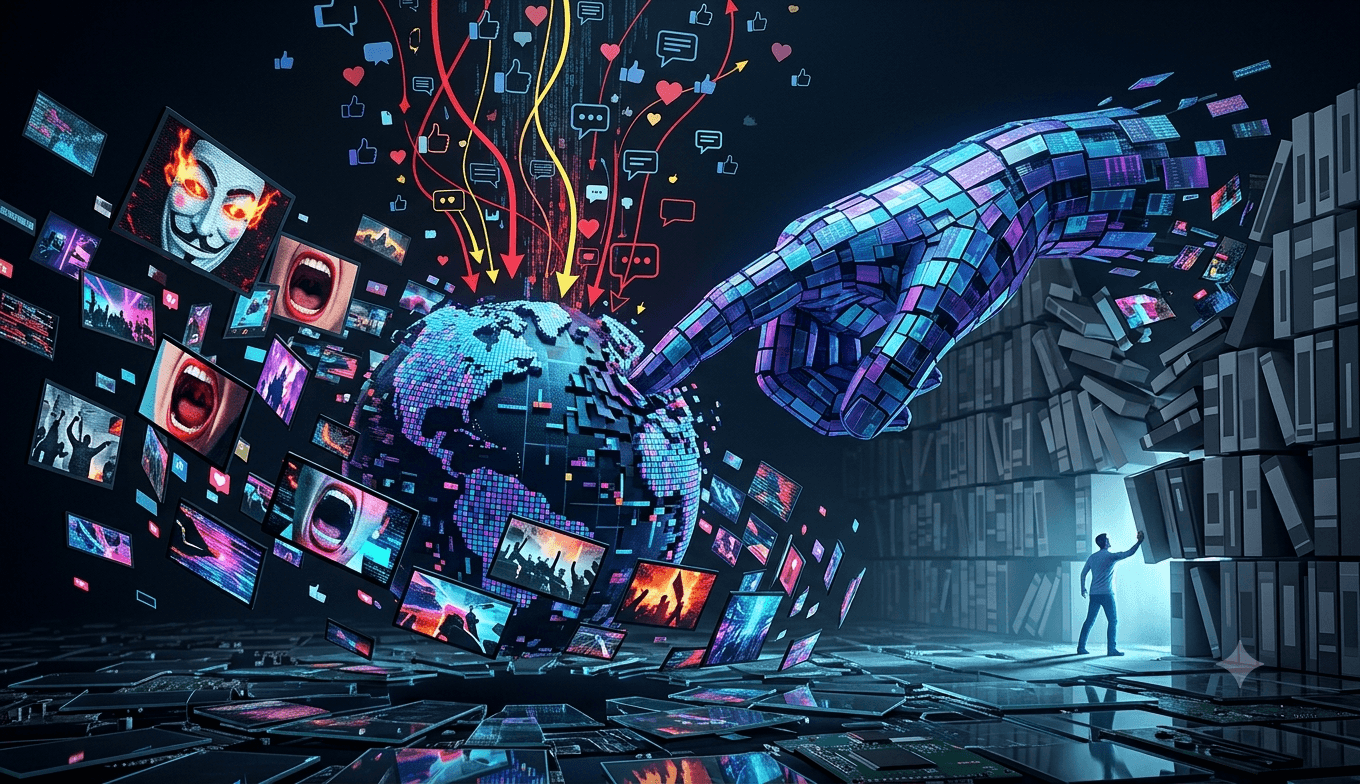
The Monetization of Reality: How Social Media Feeds Sell Us Our Worldview
- Nick Kossovan
- Culture
- November 6, 2026
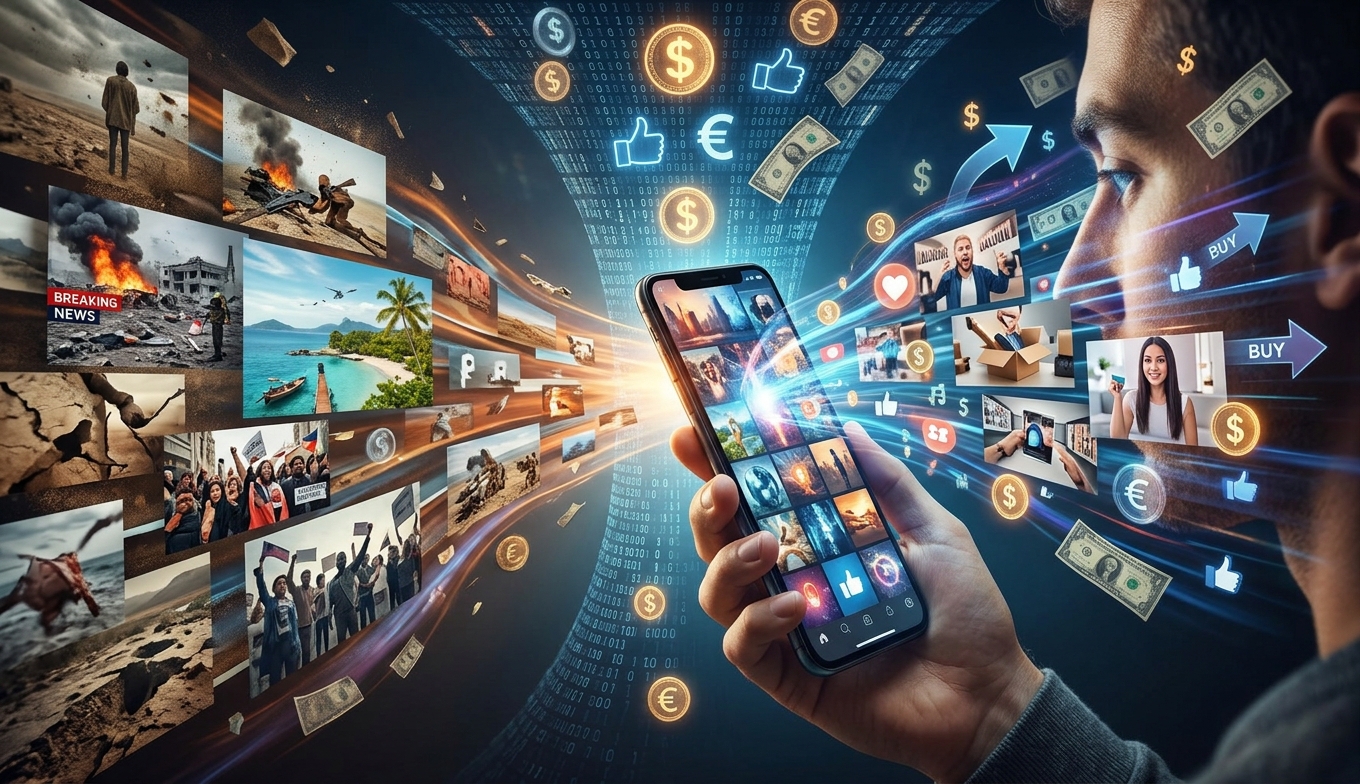
The world isn’t necessarily more chaotic than before, but the explanations for how, why, and who benefits absolutely are. Today, everyone takes to social media to offer their perspective without modesty and with absolute certainty, which is suspicious given the many contradictory observations, takeaways, and opinions.
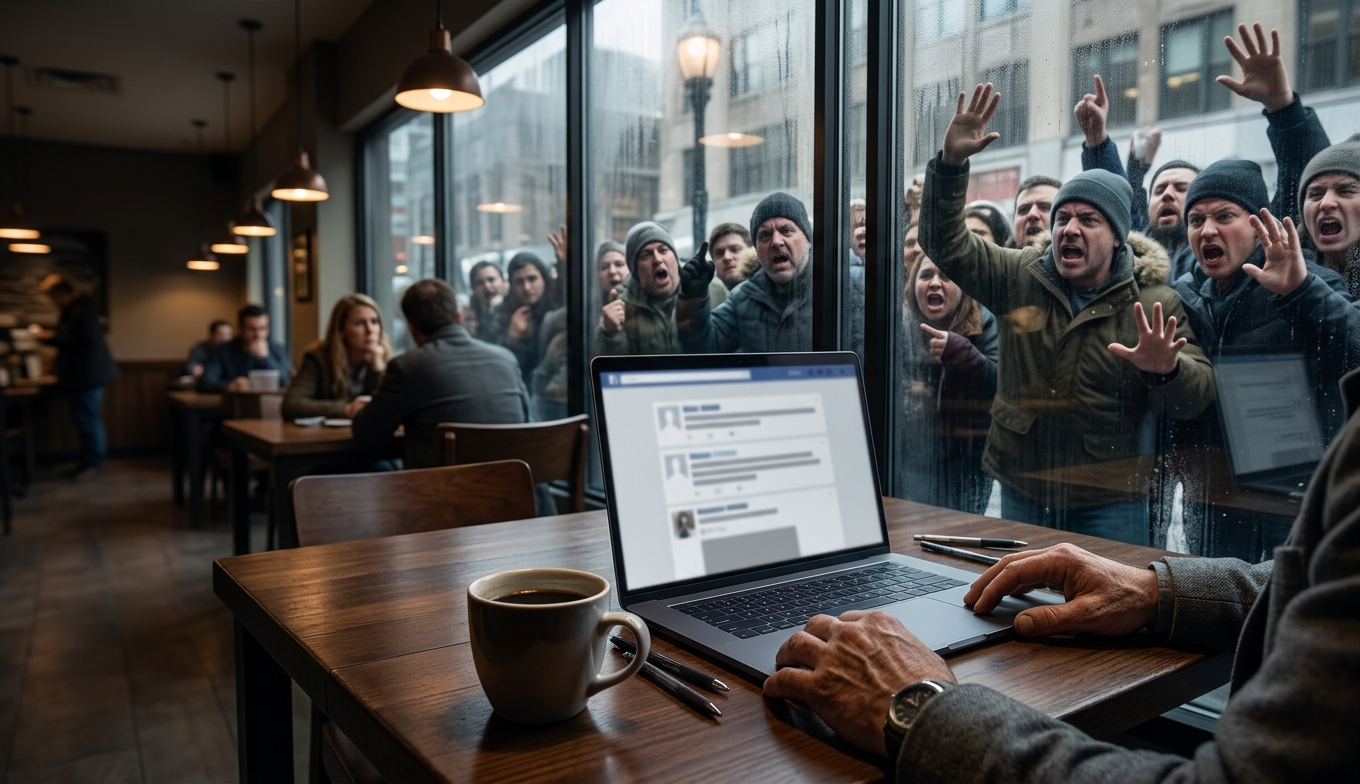
One person swears the economy is collapsing; another insists everything is fine. One self-proclaimed “expert” promises AI will save the world, while another warns it’ll destroy it. Everyone speaks with absolute authority. If that unearned certainty doesn’t make you uncomfortable, it should.
When something major happened in the pre-internet era, people turned to the same sources to make sense of it: newspapers, radio, the evening news, university professors, or government reports. Those institutions didn’t just report information; they interpreted it. They told society what events meant, and everyone waited for an explanation because the experts were expected to make sense of reality.
Today, with all of us hyper-connected, an event occurs, no matter how minor or inconsequential, and within minutes thousands of interpretations flood our screens. Journalists explain it. Economists explain it. And without permission or editorial vetting, Substack writers, podcasters, and supposed influencers explain it, alongside an endless wave of grifters peddling conspiracy theories. Millions scroll through this ocean of commentary, deciding whom to trust, usually those who align with their existing beliefs and confirm their worldview.
What’s happening is profound: the authority to explain reality is shifting from institutions to anyone with a Wi-Fi connection.
Not long ago, information wasn’t free, infinite, or global. Books and newspapers had cover prices, while television and radio were strictly local and shut down when the broadcast day ended, unlike the global, always-on feed in our hands. Expertise was confined to gated institutions. Then the internet happened, and now information is everywhere. News breaks instantly, data flows constantly, and artificial intelligence generates summaries faster than entire newsrooms. Information is no longer hard to access; it’s leaking out of every screen we own.
This deluge of “Here’s how I see it” content creates a counterintuitive problem: the struggle is no longer finding information but determining its validity and implications. When information is infinite, facts alone lose their monetary and social value. Today, anyone who can frame “the facts” as we know them and define their meaning can gain trust, exert cultural influence, and monetize their narrative.
The people gaining influence today aren’t necessarily the ones producing the most content. The most powerful roles in media used to belong to reporters and broadcasters. Today, that role belongs to anyone who uses their social media accounts to share the facts as they see them, often packaging their interpretation to conveniently fit the narrative their followers will agree with.
Historically, institutions controlled two things: information and interpretation. Universities defined knowledge; newsrooms framed events; and think tanks shaped policy debates. But three factors broke that system:
- The internet archives everything, so contradictions are no longer quietly erased or forgotten.
- Everyone, regardless of their experience, education, geopolitical location, beliefs, and values, can instantly share how they see “the facts” without needing institutional permission.
- Algorithmic feeds fragmented the information landscape into thousands of parallel conversations.
While rapidly shrinking, institutions still exist; however, they no longer have a monopoly on explaining our world, and this is where things get interesting.
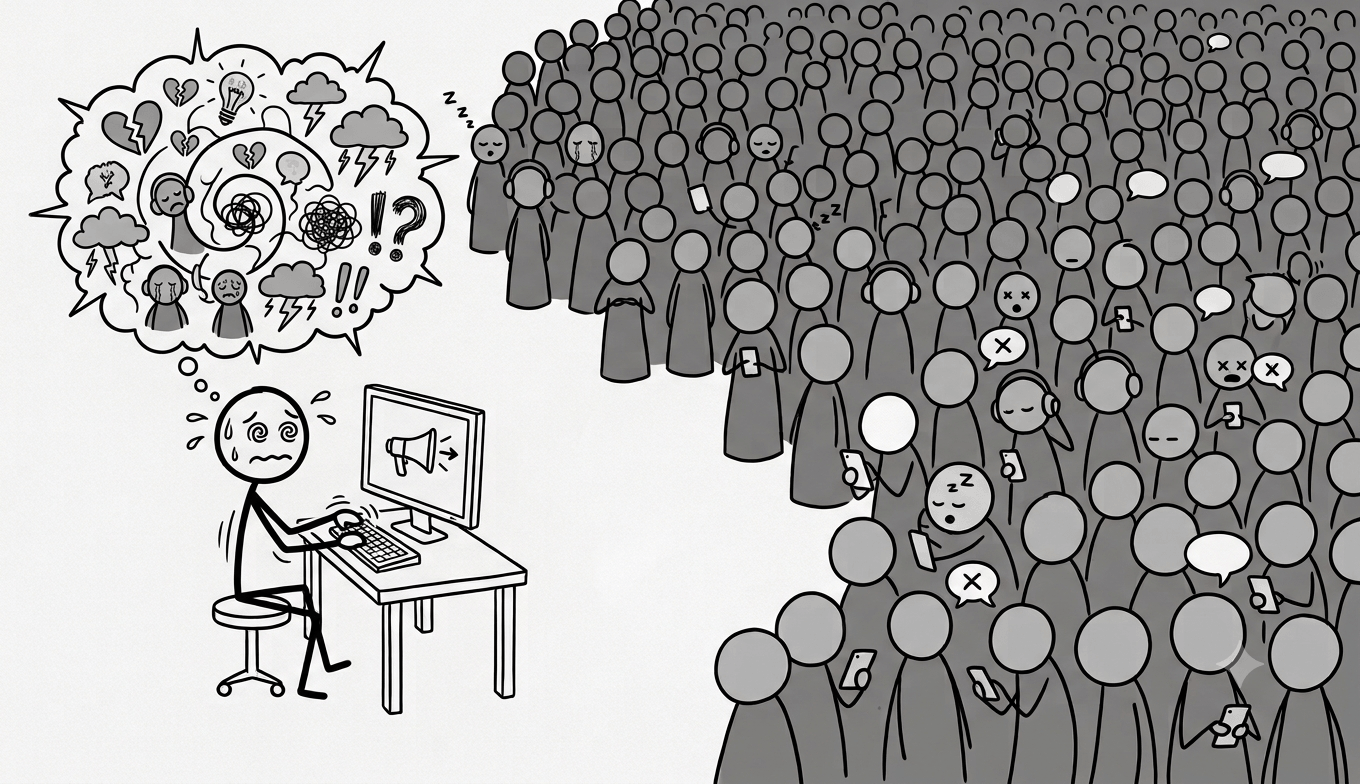
People didn’t stop wanting expertise; they stopped trusting its gatekeepers. Humans evolved in small information environments: village gossip, local news, and a few trusted authorities. Today, we face 24-hour news cycles, algorithmic feeds, constant notifications, AI-generated content, and millions of competing opinions. The human brain was never wired for this scale. When overwhelmed, people do what they always have: they seek guides—voices that can cut through the noise and say, ‘This matters; that doesn’t; and here’s the pattern.’
Algorithms poured gasoline on this shift. By prioritizing engagement, platforms created a fragmented landscape in which two people living in the same neighbourhood experience completely different versions of what’s happening around them, based on their feeds. Our worldviews no longer come from a single top-down narrative; they emerge from competing interpretations.
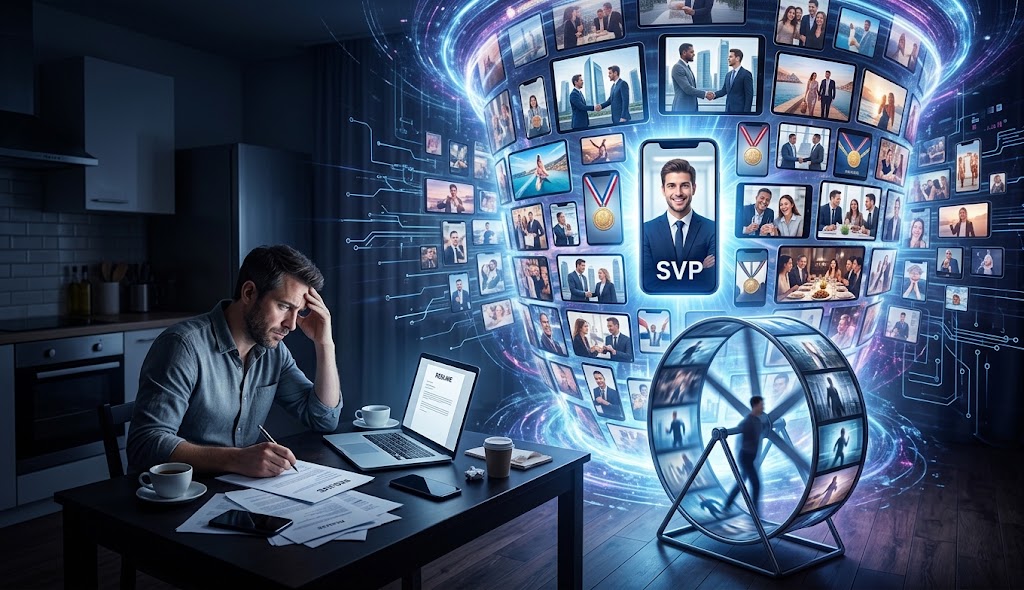
Your reality-check leverage comes from asking a simple, skeptical question: why is this person explaining this publicly? Are they offering genuine analysis, or monetizing their perspective through subscribers, sponsorships, and ad revenue? That underlying financial motive ultimately defines the modern ‘influencer,’ whose interpretations aren’t a public service; they’re part of their business model.
For better or worse, we’re moving away from centralized sources of facts and knowledge—governments, universities, newsrooms, and think tanks—toward those whose interpretations we agree with and the digital communities that support them.
We didn’t escape the gatekeepers; we just picked new ones. Every time you scroll past raw facts to read someone’s hot take or watch their editorial video, you’re outsourcing your critical thinking to a self-appointed guide with a subscriber count to grow and an agenda to monetize. The dangerous delusion of the digital age is believing you’re thinking for yourself simply because you chose your preferred filter. Stop blindly buying into the narrative. Question who’s interpreting and why, not just the information.
About The Author