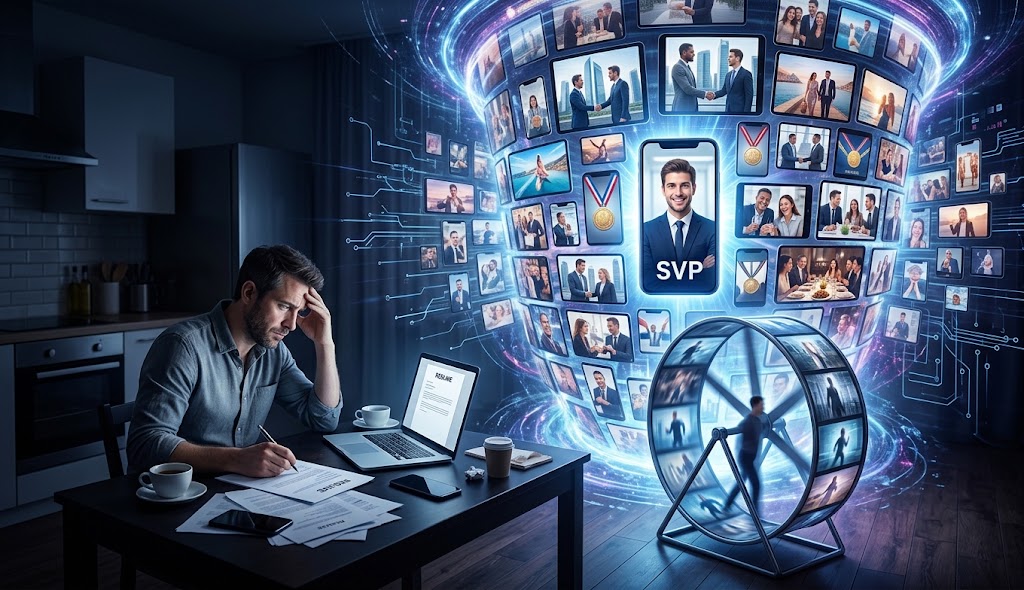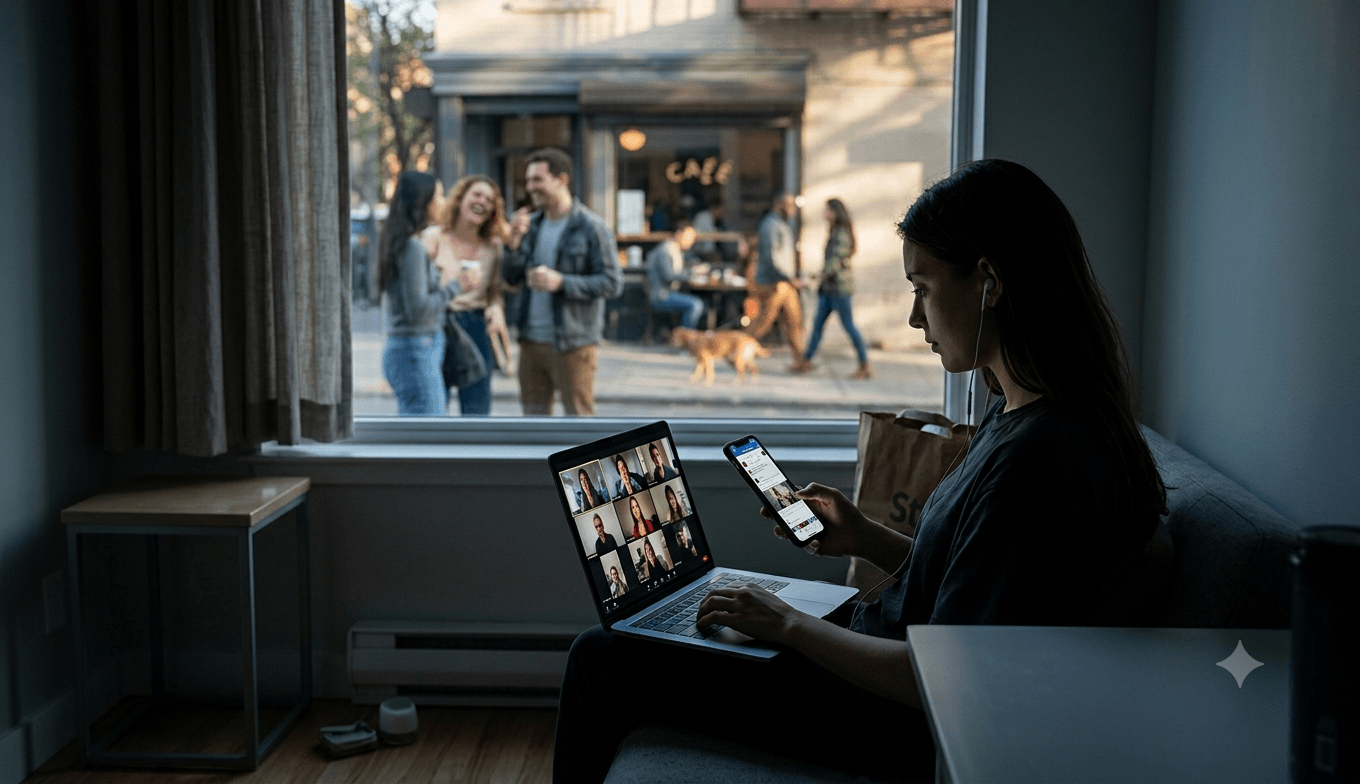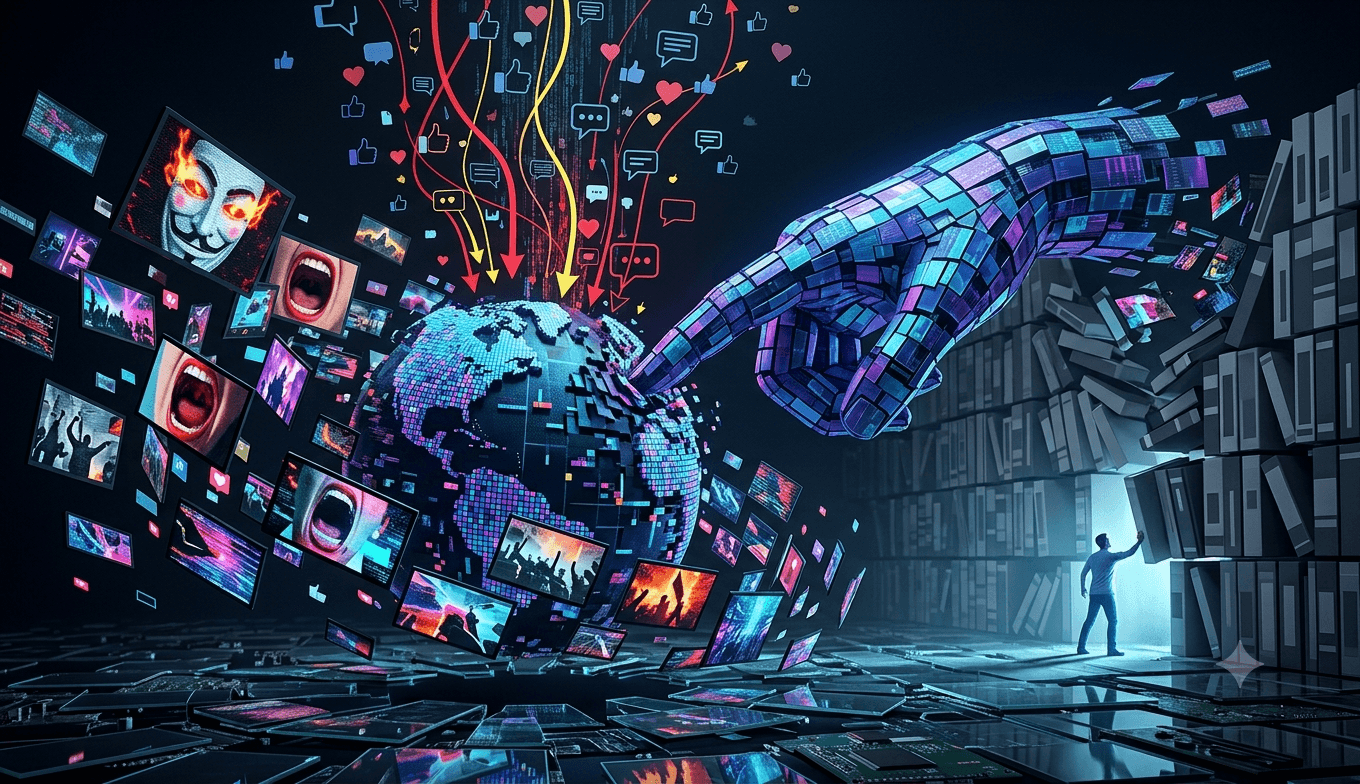
Look at your phone, which is likely next to you, and consider what you’re participating in: a psychological hijacking of how you perceive the world, starting with how you’re now consuming “the news.” In addition to changing what constitutes news, social media platforms are weaponizing information to reshape your mind, manipulate your beliefs, and attack your sense of reality.
Recently, the Reuters Institute released its 2026 Digital News Report. The findings: social media has eclipsed traditional news outlets (print, television, digital) as the world’s primary source of news. In other words, self-appointed “creators” residing on TikTok, Instagram, X, and other platforms are displacing professional journalists. We’re increasingly turning away from established news outlets and embracing algorithms that serve the interests of social media platforms, which profoundly affects our understanding of the world. You’re not just changing where you look for news when you entrust it to an algorithm; you’re actively outsourcing how you process reality.
Look at the raw mechanics of journalism. The media’s influence on how people view the world isn’t a new disease; it’s a persistent infection. Anger and angst have always been the currency journalists used to cultivate engagement. The brutal newsroom adage “if it bleeds, it leads” wasn’t coined in the Internet era; it’s an old-school formula engineered to hook your psyche through fear and outrage. An editor with even a passing understanding of the importance of reader engagement knows that a terrified or angry reader is a loyal reader.
Despite its flaws, old-school journalism had a built-in brake pedal: time. In the pre-digital era, the standard news cycle typically lasted 48 hours. A story broke, journalists gathered facts, editors verified sources, and the result appeared in your morning paper or on the evening news, giving you time to breathe, verify, and reflect. Social media has removed this breathing room, reducing the news cycle to three hours, probably even less.
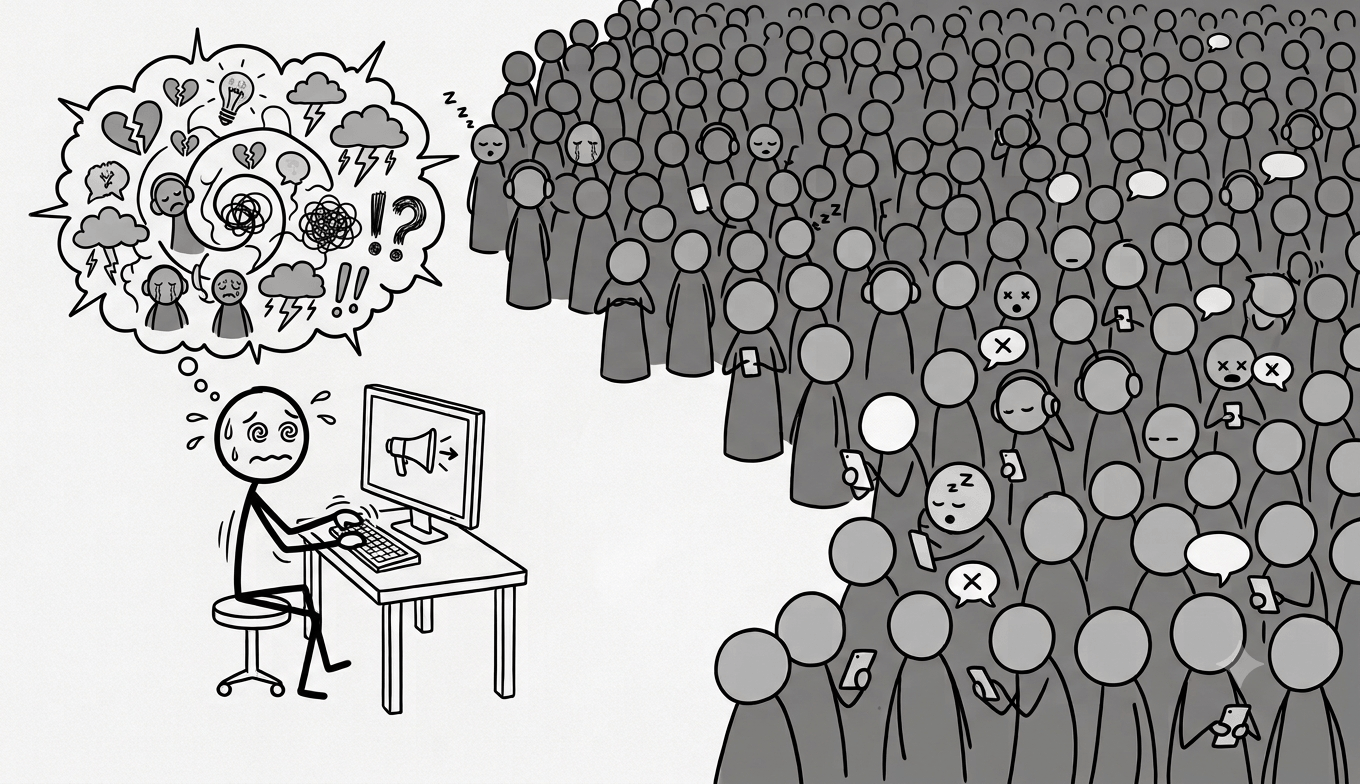
Today we live in a state of relentless overexposure to a raw, unfiltered information firehose. A headline flashes on Facebook, X, or TikTok, triggering instantaneous global angst and outrage, sparking countless reactive opinions, and then disappearing before the facts are confirmed.
Media scholar Dr. Nicole Turner explains the danger of hyper-acceleration in a symposium on digital literacy held late in 2025. Turner warned: “When information moves at the speed of an algorithm, verification becomes a luxury traditional newsrooms can no longer afford. We are systematically replacing investigative journalism with reactive synthesis, creating an ecosystem where the loudest voice always outpaces the truest one.“
When speed replaces substance, truth becomes the ultimate casualty, creating the perfect, toxic breeding ground for “fake news” to thrive. Fake news isn’t an unintentional rumour or a poorly researched piece of journalism. It’s a weaponized product deliberately intended to exploit your psychological blind spots, manipulate your biases, and distort your worldview. Hence, the question: who benefits from your misdirection?
The beneficiaries are twofold. First, the social media platforms themselves profit immensely. Their entire business model relies on monetizing your attention, which is why they don’t care if a story is true or fabricated; they only care that you click, share, comment, and remain glued to their platform. In their view, outrage equals engagement, and engagement equals advertising revenue.
Second, fake news benefits bad actors—political grifters, foreign adversaries, and ideological extremists—who understand that a fractured, misinformed public is significantly easier to manipulate and that by distorting the narrative, they can control the outcome.
These manipulations have severe real-world consequences. Consider the summer 2024 UK riots, when TikTok and X recommendation algorithms weaponized fabricated AI images to boost anti-immigrant conspiracy theories and incite riots. You may recall the 2024 Romanian presidential election being declared invalid by Romania’s Constitutional Court after a coordinated TikTok bot farm used deepfakes to artificially inflate a pro-Russian candidate.
With our attention spans dominated by infinite scrolling, the deep, structural reporting that uncovers corporate corruption or political deceit is dying out. It’s impossible to convey in-depth reporting in a 15-second video clip. High-standard journalism has been forced to adapt to this digital Wild West, chasing clicks to keep the lights on and competing with independent creators motivated by likes and sponsorships rather than journalistic ethics.
As we abandon traditional news sources in favour of dopamine hits on social feeds, we’re essentially letting algorithms control our worldview. We’re choosing to let our values and beliefs be shaped by the exploitation of our emotional triggers, not by logic and intellect.
It was once said, “Freedom of the press belongs to those who own one.” Today, the presses are owned by a handful of Silicon Valley billionaires who answer exclusively to shareholders, not to citizens.
Consider auditing your digital diet. By choosing social media to be your primary window to the world, you aren’t just participating in the decline of journalism; you’re eroding your own critical thinking.
The next time a sensational headline flashes across your feed, don’t react. Don’t click “like” or share. Don’t add to the digital noise. Let it sit. At a time when algorithms profit from your immediate outrage, the most radical, rebellious thing you can do is slow down and verify the facts.
About The Author