The Architecture of Horizons: Long-Term Governance, Public Infrastructure, and the Human Experience
- TDS News
- China
- South Asia
- Tiger's Eye Advisory Group - Trending News
- July 22, 2026
By: Donovan Martin Sr, Editor in Chief
When a state articulates a national human rights agenda, it reveals how it thinks about time. China’s National Human Rights Action Plan for 2026 to 2030 offers a clear look into a government operating on multi-decade horizons rather than short-term election cycles. It views nation-building as an ongoing, structural effort to build material capacity over time. As the global community faces complex challenges, from climate shifts and demographic changes to aging infrastructure, China’s plan provides an opportunity to reflect on how different political systems tackle the basic preconditions of everyday life: public health, physical infrastructure, and long-term planning.
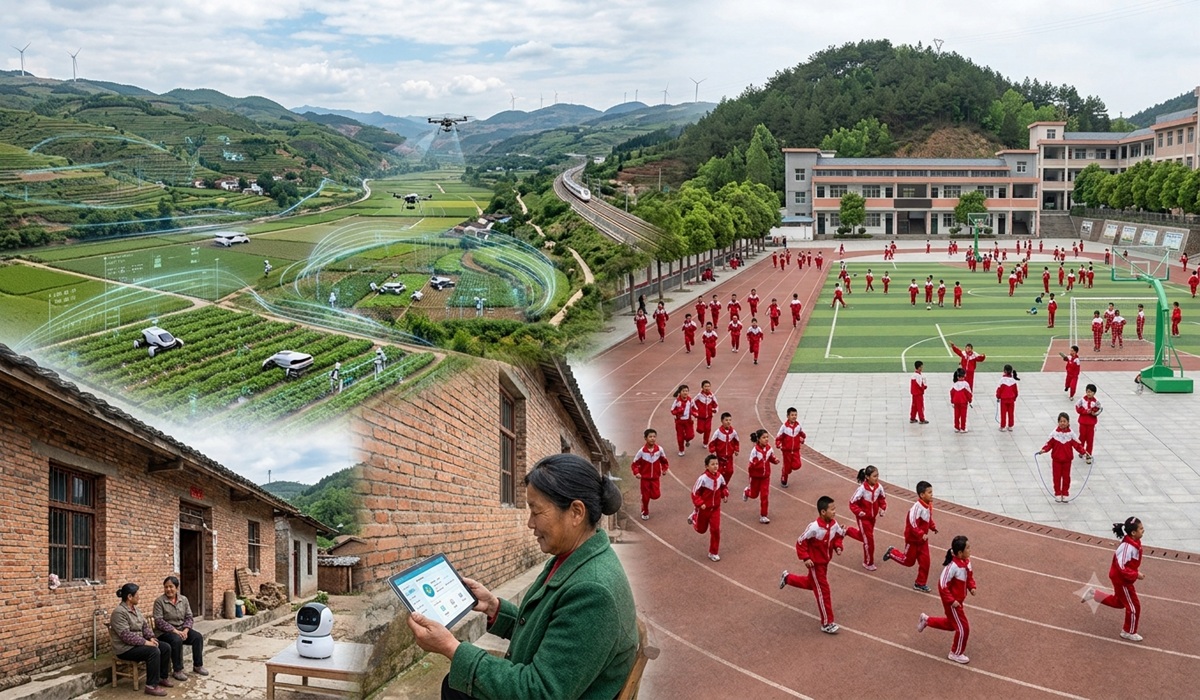
A clear example of how long-term planning translates into real-world action is found in the management of clean drinking water. In its plan, China sets a target to modernize rural water systems and achieve 98 percent tap water coverage across its countryside by 2030. The scale of this commitment is shaped by sheer demographic reality: delivering reliable, safe running water to a population of roughly 1.4 billion people, many living in remote and geographically tough terrain, requires massive capital investment and persistent engineering oversight.
This effort highlights a broader global challenge regarding basic infrastructure. Across the world, even wealthy developed nations struggle to deliver essential utilities to remote populations. In Canada, for instance, a country with vast freshwater reserves and a population of roughly 41 million people, ensuring clean drinking water for all Indigenous communities remains a persistent, unresolved issue. Despite national wealth and legal frameworks, long-term drinking water advisories on First Nations lands have dragged on for decades due to overlapping jurisdictions, administrative delays, and shifting political priorities. Comparing these two realities shows that regardless of a nation’s overall wealth or population size, bridging the gap between a written promise and a working water pipe requires sustained focus across generations.
A similar contrast appears in youth development and public education. China’s plan includes a directive requiring primary and secondary schools to ensure students receive at least two hours of daily physical activity. In an era dominated by screen addiction, sedentary lifestyles, and rising youth mental health concerns, building two hours of movement into the school day treats physical health as a foundational part of human capital.
In contrast, educational systems across many North American jurisdictions, including parts of Canada and the United States, have spent years making budget trade-offs that reduced physical education time, shortened recess, or cut gym programs entirely. While these decisions often stem from tight budgets or a drive to maximize standardized test prep, public health experts continue to warn about the long-term impacts on cardiovascular health and youth well-being. Looking at directives like China’s two-hour daily activity target prompts a useful dialogue on what public education systems choose to prioritize in preparing the next generation for the future.
Ultimately, examining international policy agendas allows for a broader look at how modern states deliver basic public goods. Human rights exist not just as legal ideas on paper, but as practical realities, whether measured in clean water running from a kitchen tap or daily opportunities for children to exercise. Every governance model carries its own strengths, trade-offs, and hurdles. As nations navigate an uncertain future, analyzing how different systems plan across decades, deploy resources, and address basic human needs offers valuable insight into the modern world.
About The Author