Short-Term Patches, Permanent Crises: Examining Mayor Gillingham’s Latest Safety Push
- TDS News
- Elections
- Tiger's Eye Advisory Group - Trending News
- July 21, 2026
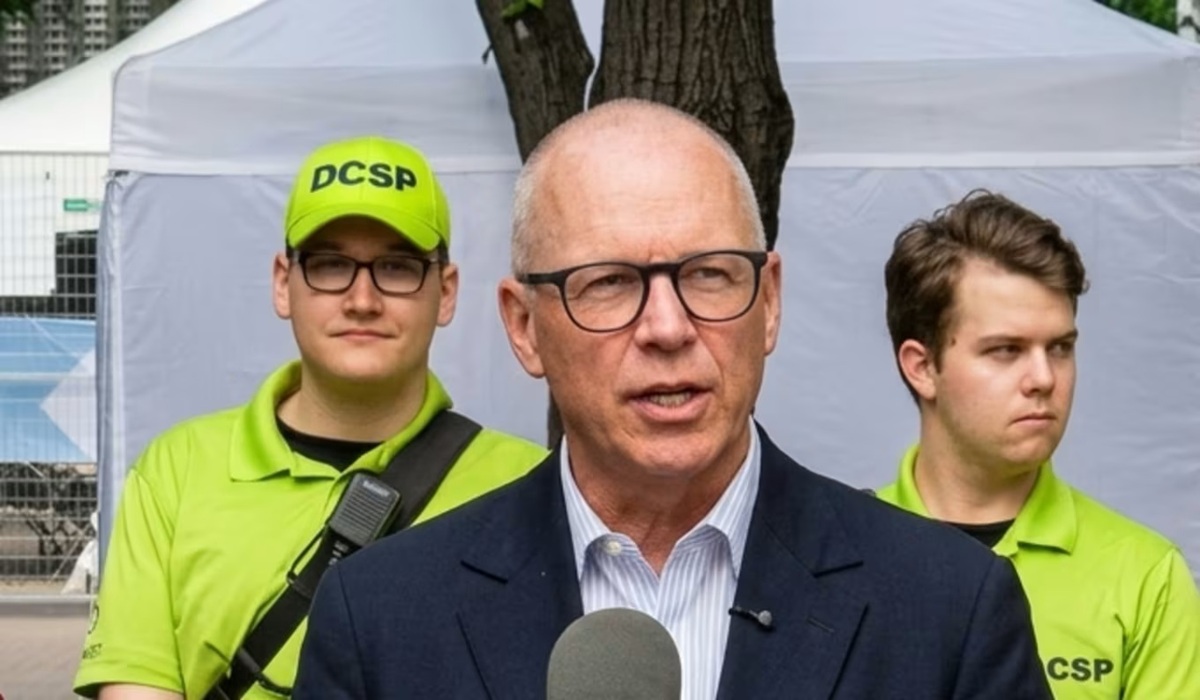
With all due respect to the office of the Mayor, Scott Gillingham’s announcement allocating $100,000 from his personal mayoral discretionary fund toward a specialized downtown safety initiative for performing arts venues represents a classic exercise in pre-election optics. Ensuring that theatre patrons, musicians, and venue staff feel safe in the Exchange District is a vital objective. The performing arts, along with local businesses, are the absolute lifeblood of our downtown core, and protecting them is crucial to our city’s cultural and economic health. However, applying a temporary, localized safe walk program to a structural crisis is akin to placing a bandage on a compound fracture. Whether the municipality commits $100,000 or continues disbursing the astronomical $125 million spent annually across municipal and provincial channels merely band-aiding homelessness and addiction issues throughout our community, the net return for taxpayers remains zero. The problem is not the arts or safety walks—it is that this administration consistently addresses the visible symptoms of urban decay rather than confronting its root causes.
The frontline team members of the Downtown Community Safety Partnership and groups like the Bear Clan Patrol perform invaluable, essential community work every single day under difficult circumstances. If the Mayor recognizes the true worth of these frontline teams and the safety of our arts community, this funding should have been built directly into the permanent municipal budget to allow for sustained expansion. Instead, it has been framed as a one year project to be re-evaluated in 2027. The general patrol operates from 6:00 a.m. to 7:00 p.m. daily, leaving citizens to wonder how that helps evening concertgoers when few performances end before 7:00 p.m. Under this plan, requests for courtesy walks are routed through the DCSP app or Wayfinder teams working in pairs. In a modest downtown crowd of 500 people, if even 20 patrons request a walk simultaneously at the end of a show, six or seven pairs will instantly be overwhelmed, leaving people waiting in long delays on dark street corners. Dropping another temporary initiative onto these teams without addressing structural issues does not solve the underlying reality: people are in profound distress on our sidewalks, commercial anchors are closing, and encampments are expanding into surrounding neighbourhoods.
This announcement fits neatly into a pre-election script. Citizens must prepare for another 10 days of non-stop mayor spending, ribbon cutting, and photo opportunities before mandatory election blackout rules take effect. We saw this same obsession with optics during the Mayor’s controversial photo opportunity near the closed Arlington Bridge, a risky stunt that drew sharp criticism and sparked calls for legal injunctions. To justify this flurry, Mayor Gillingham points to his record, stating: “Four years ago, I committed to being a mayor who would focus on getting things done… Together, we have made important progress on the priorities that matter most to families: public safety, housing, infrastructure, economic growth, and building a city people are proud to call home.” But if this is the Mayor’s definition of safety and civic pride—where our municipality consistently ranks as the violent crime and murder capital of Canada among major urban centres and emergency services respond to over 100,000 calls annually—it reveals a profound disconnect from the lived experience of everyday taxpayers.
At some point, voters must ask why we keep expecting different results from veteran political insiders. Scott Gillingham served on city council for over a decade before becoming mayor, yet serving on council should be viewed as an immediate red flag rather than a qualification. After nearly three months since the mayoral race opened, he has yet to release a concrete policy detailing structural fixes for the city. Electing the same officials who helped build the current system and expecting real change is the definition of political insanity.
While there are nine other candidates currently registered in the mayoral race, voters looking for tangible policy solutions are seeing a stark contrast in how candidates approach the core drivers of this crisis. Rather than offering temporary stopgaps, candidate Don Woodstock presented a comprehensive policy framework on Monday that directly tackles root causes. His blueprint focuses on moving vulnerable individuals off the street and into structured, 24-hour wrap-around care facilities integrating mental health treatment, addiction recovery, and transitional housing without raising taxes. Addressing the foundational issues of homelessness and mental health is what actually creates long-term safety for performing arts venues, businesses, and residents alike.
The time has come for the public to respectfully thank Mayor Scott Gillingham for his service and move on. He will leave office well-compensated, collecting a substantial civic pension alongside a full year of salary as a municipal severance soft landing regardless of the election outcome. Ours remains a beautiful city defined by rich culture and resilient neighbourhoods, but continuing with the status quo will change nothing. As voters review every platform in this race, we must stop and logically evaluate the path forward: after years of incremental spending and photo opportunities, are we truly better off today than we were four years ago?
About The Author