Redefining the American Heartland: How the Midwest Shifted Standard Political Math in a Historic Midterm Surge
- Ingrid Jones
- Midwest USA
- November 4, 2026
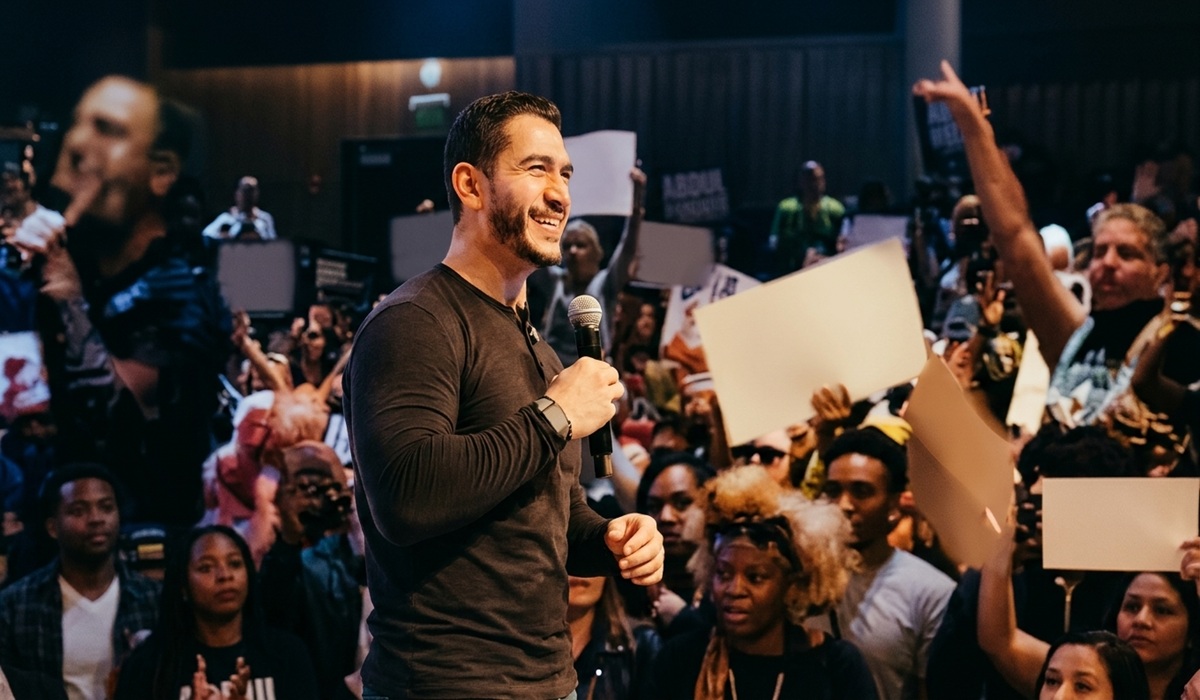
Image Credit: Abdul El-Sayed
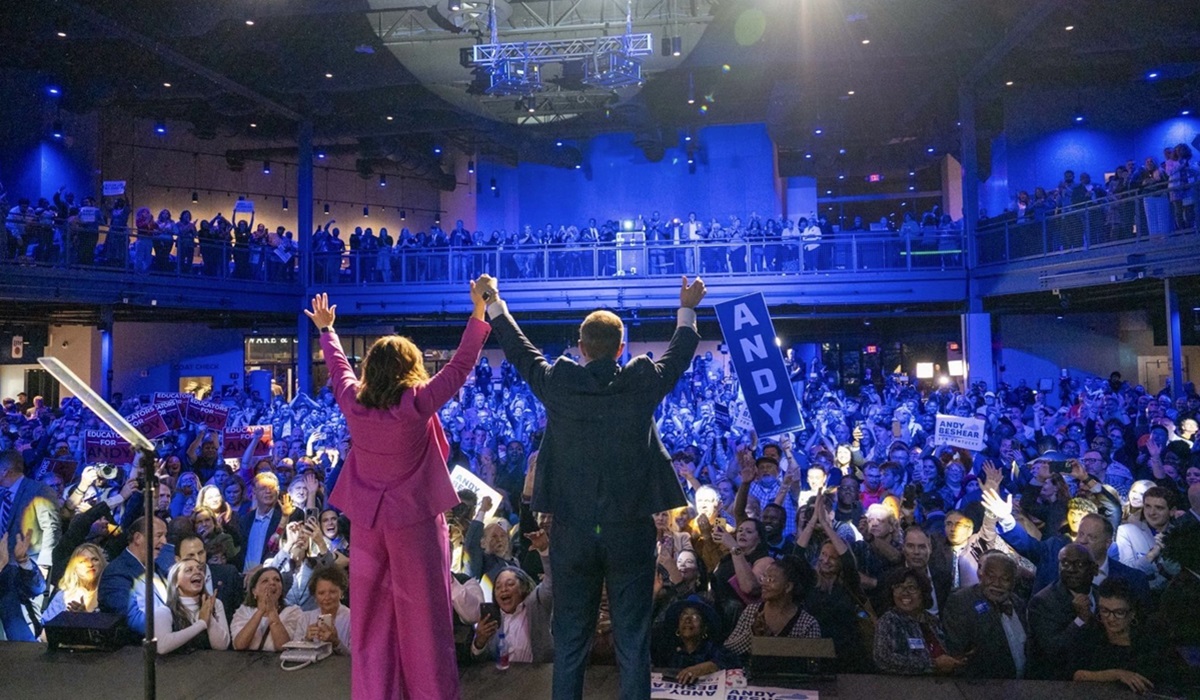
The early morning air across the Rust Belt carried a sharp November frost, but inside election headquarters from Detroit to Columbus, the atmosphere was electric. As returns trickled in throughout the night, what began as a competitive midterm election transformed into a sweeping realignment across the American Midwest. Precincts that had spent the past decade firmly anchored in conservative populism shifted back into Democratic hands, driven by an unprecedented surge in suburban turnout, historic organizing efforts in industrial centers, and a groundswell of working-class voters responding to targeted economic messaging. The Midwestern battlegrounds sent an unmistakable message across the country: the political pendulum had swung back with historic force.
In Michigan, the energy was palpable long before the first ballot boxes were sealed. Volunteers had spent months knocking on doors in counties that had previously flipped back and forth by razor-thin margins. In the high-stakes United States Senate race, Democrat Abdul El-Sayed achieved a landmark victory over Republican candidate Mike Rogers. Winning key suburban precincts in Macomb and Kent counties, El-Sayed capitalized on surging participation among young voters, healthcare advocates, and working families. Local labor unions, which launched aggressive voter outreach drives focusing on manufacturing investments and healthcare protections, saw their efforts pay off as suburban enclaves swung left, dismantling the narrative that the Industrial Midwest was slipping permanently out of reach.
Across the border in Ohio, Democrats take the governship; similar scenes unfolded as urban centers and key suburban belts reported high-volume polling. Voters stood in long lines late into the evening, enduring chilly autumn rain to cast their ballots. In suburban Franklin and Cuyahoga counties, ballot totals exceeded even the most optimistic forecasts of local campaign managers. The central issues driving voters to the polls were economic stability, public education funding, and reproductive freedom. Independent voters turned out in staggering numbers, rejecting ideological battles to support candidates focused on middle-class job creation and regional infrastructure investments.
The shift was equally dramatic in Wisconsin and Minnesota, where rural and small-town turnout defied traditional expectations. For years, political analysts assumed that rural districts would remain solidly conservative while urban cores carried progressive totals. However, election night revealed a much more nuanced reality. Small towns along the Mississippi River and manufacturing hubs in the Fox Valley saw significant shifts toward Democratic candidates. Local farmers and small business owners expressed frustration with national market volatility, citing a desire for pragmatic leadership that prioritized local supply chains and regional agricultural support.
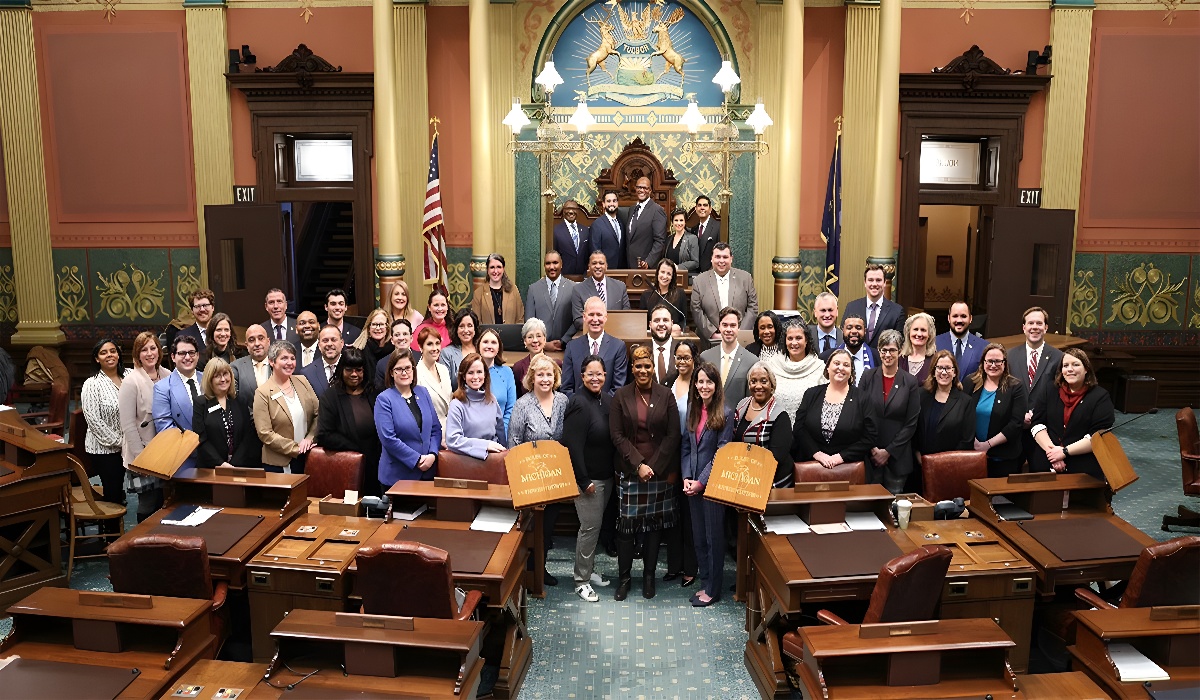
By midnight, as major media outlets began declaring key state races across the region, the broader implications of the Midwestern wave became undeniable. State legislative chambers that had long held supermajorities saw their margins severely reduced or completely flipped. Local municipal elections mirrored the statewide trend, with mayoral and county commission seats changing hands in areas that had not seen a competitive race in over fifteen years. The sheer scale of the shift reflected a fundamental recalibration of the Midwestern political identity, proving that working-class communities and suburban voters could converge into a powerful electoral majority when organized around shared economic concerns.
As victory celebrations erupted across Midwestern campaign headquarters into the early hours of the morning, political strategists began analyzing the long-term consequences of the night. The Midwest was no longer a region defined by narrow margins and unpredictable swings; it had reasserted itself as a cornerstone of national political strategy. The historic surge proved that sustained community-level organizing, direct engagement with industrial workers, and a focus on core economic issues could dismantle entrenched political strongholds. As dawn broke over the Great Lakes, the Midwest stood transformed, laying the foundation for a new political era that would resonate across the entire nation for years to come.
About The Author