Pacific Powerhouse: The Western Wave That Redefined Governance from the Southwest to the Pacific Northwest
- Ingrid Jones
- Western USA
- November 4, 2026
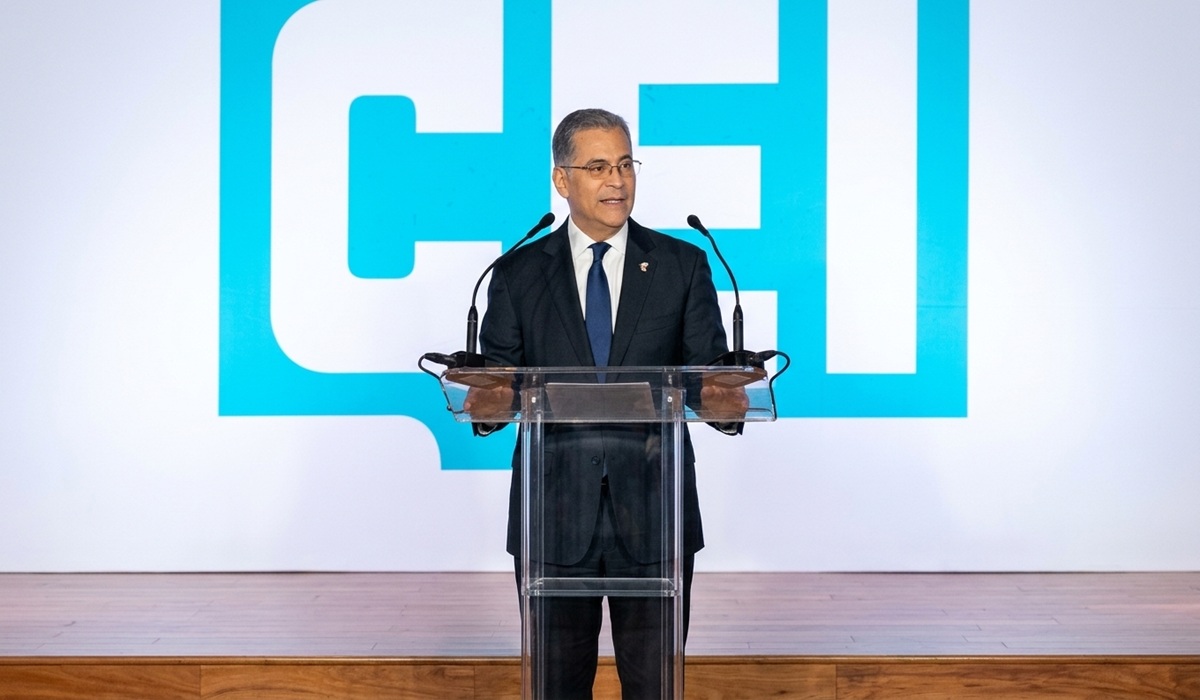
As the last polling places closed along the West Coast and into the desert Southwest, the final piece of a historic nationwide political shift clicked into place. From the sunny sprawling urban stretches of Southern California to the rain-swept suburbs of Puget Sound, voters across the Western United States cast their ballots in unprecedented numbers. The result was a comprehensive sweep that reinforced Democratic dominance in California, secured vital victories in Arizona and Nevada, and expanded legislative majorities across Oregon and Washington. The Western wave provided the final impetus for a national blue wave that transformed governors’ mansions, state legislatures, and federal representation across the region.
In California, the gubernatorial election yielded a decisive victory that highlighted the state’s role as a national policy anchor. Democrat Xavier Becerra won a decisive gubernatorial victory over Republican candidate Steve Hilton. California voters delivered a clear mandate for continued aggressive climate policy, affordable housing investments, and structural economic reforms. Turnout in major metropolitan areas like Los Angeles, San Diego, and the San Francisco Bay Area matched presidential-level engagement, while suburban areas in Orange County and the Inland Empire continued their multi-year trend of shifting toward progressive candidates. The election reinforced California’s position as a sanctuary for civil liberties and environmental innovation, sending a clear message to the rest of the country.
Further inland, the desert Southwest produced some of the most dramatic returns of the entire evening. In Arizona and Nevada, where races had been projected to be exceptionally close, high voter participation among Latino communities, indigenous populations, and young suburban families created decisive margins for Democratic candidates. In Maricopa and Clark counties, voters turned out to defend reproductive freedom, protect water management resources amidst ongoing drought concerns, and ensure stable funding for public schools. The victories in these key sunbelt states proved that the political realignment of the Southwest was not a temporary anomaly, but a permanent structural change in the American political landscape.
In the Pacific Northwest, Oregon and Washington saw high-volume mail-in voting achieve record-breaking turnout figures. Voters across both states overwhelmingly approved progressive candidates for governor and state legislative seats, while also passing key local ballot initiatives aimed at expanding affordable housing and funding clean energy transitions. The strong performance of candidates in both rural timber communities and tech-driven urban corridors illustrated a broad-based consensus around sustainable economic growth and social inclusivity, effectively solidifying the region’s progressive trajectory.
The collective impact of these Western victories extended directly to the federal balance of power. House seats in California’s Central Valley, suburban Phoenix, and the outskirts of Las Vegas flipped, providing crucial tallies that established a new Democratic majority in the House of Representatives. Meanwhile, Senate races in the region held firm, ensuring that the Western states would exert significant influence over upcoming judicial appointments, federal budget priorities, and national energy policy agendas.
When the final Western returns were certified under the morning sun, the scale of the national blue wave was complete. The West had stood alongside the Midwest, the South, and the Northeast in delivering a historic rebuke to the political status quo. Across four distinct geographic regions, voters had chosen a path focused on social progress, economic investment, and civil rights protections. The historic midterm of 2026 had fundamentally reshaped the governance of the nation, marking the start of a new chapter in American political history.
About The Author