Editorial Board
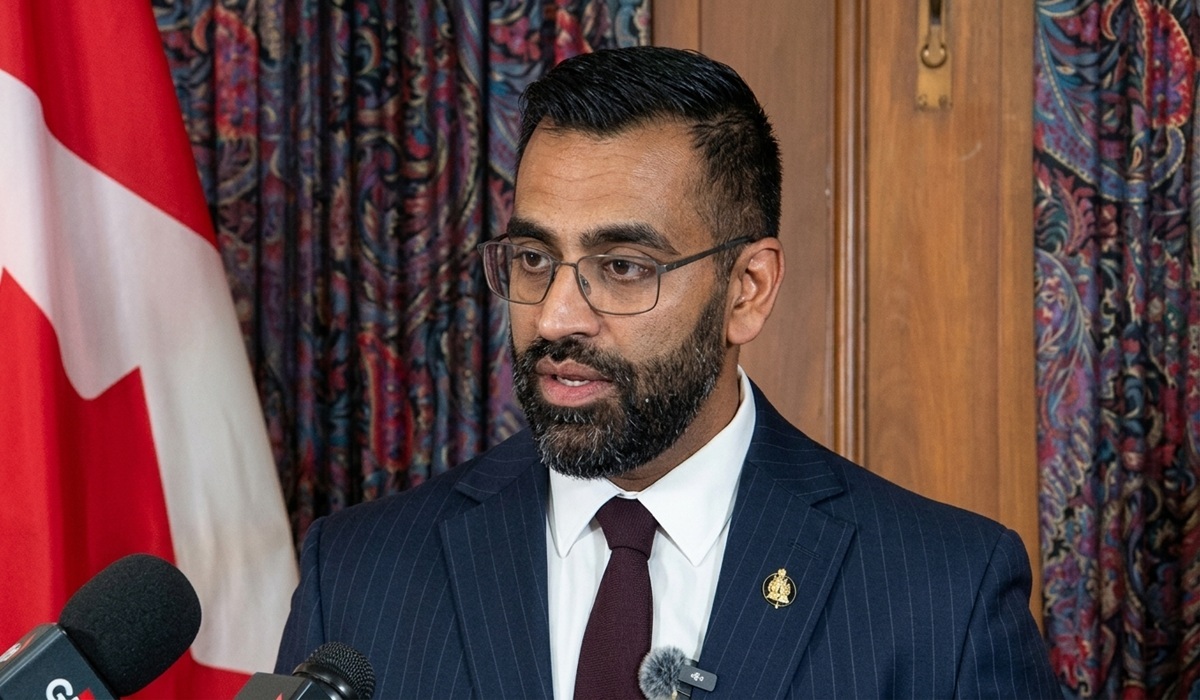
In a sudden and explosive development that has plunged Manitoba’s official opposition into complete disarray, Progressive Conservative leader Obby Khan has tendered his resignation, stepping down as party leader and quitting the PC caucus entirely.Having spent over two and a half years at the helm and leading the Tories through a challenging political climate following their election loss, Khan’s departure comes at a crucial juncture, just as the party was supposed to be coalescing and gearing up for next year’s general election. Instead of building momentum, the party now finds itself completely leaderless, with caucus members scrambling to appoint an interim leader on the very eve of the legislative session.
Throughout his tenure, Khan faced persistent internal friction, with critics inside and outside the legislature viewing his leadership as ineffective and increasingly disconnected from the base. Opposition voices, grassroots supporters, and online commentators frequently voiced deep frustration with the direction of the party, citing severe communication breakdowns, a failure to return phone calls and emails, and an inability to mount an effective campaign against Premier Wab Kinew’s NDP. Rather than projecting a unified front, the Tories appeared trapped in a state of constant war with the governing party while simultaneously fighting damaging battles within their own ranks.
The defining turning point and most significant strategic blunder of Khan’s leadership was his high-profile fallout with Wally Daudrich, widely considered the PCs’ single largest supporter and primary financial cornerstone. By alienating Daudrich, the party’s ultimate golden whale, and creating obstacles that prevented him from running in key ridings, Khan severely fractured the party’s financial backing and deeply divided traditional conservative loyalists. The move sent shockwaves through local riding associations, driving away crucial grassroots organizers and weakening the party’s organizational machine across the province.
The boiling point arrived following a tense internal caucus vote where Khan technically survived by a two-to-one margin. Despite maintaining numerical backing, Khan realized the bitter internal division rendered his position unworkable. Delivering an emotional resignation address at the legislative building, Khan made his decision clear, stating directly that he will not spend the next chapter fighting with his own party and caucus when he came to fight the NDP and hold the government accountable. Addressing the toxic dynamic within his team, Khan declared that he could not be part of a caucus with a small minority membership that lacks moral integrity and refuses to abide by the rules and code, adding emphatically that he would not sacrifice his principles simply to keep the title.
With Khan now moving to sit as an Independent MLA for Fort Whyte, the Manitoba Progressive Conservatives face an uncertain road ahead. Reduced in strength and stripped of their leader on the floor of the Assembly, the Tories must now navigate a messy transition period, rely on an interim leader to manage daily business, and undergo a costly, high-stakes leadership race to salvage their prospects before Manitobans head back to the polls.
About The Author