Mayoral Candidate Woodstock, Will Force Absentee Landlords To Fix Or Lose Vacant Properties
- TDS News
- Canada
- September 9, 2026
By: Editorial Board
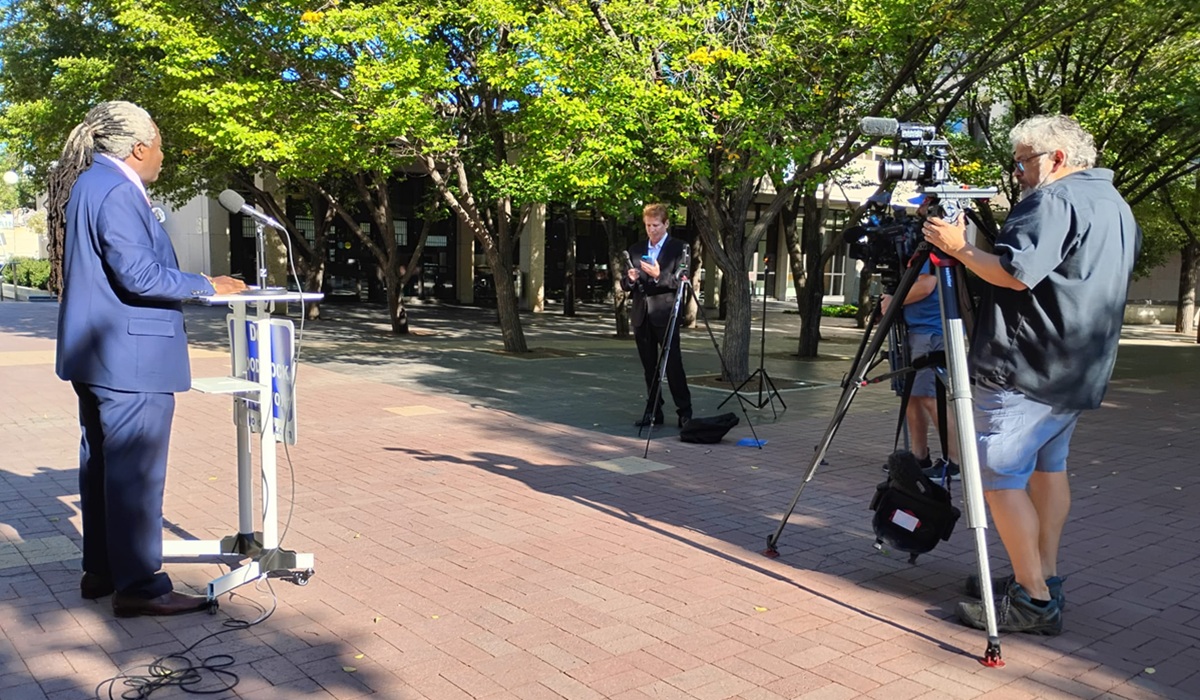
Don Woodstock’s mayoral platform on downtown revitalization introduces the Winnipeg Abandoned & Problem Property Master Policy, a hardline legislative blueprint designed to eliminate chronic urban blight and hold negligent property owners strictly accountable. Built to strip away the bureaucratic red tape that allows derelict buildings to rot in Winnipeg’s core, the policy provides the aggressive enforcement tools required to permanently transform downtown safety and protect frontline emergency responders.
Under the first pillar of the policy, any vacant, boarded, or structurally compromised building damaged by fire or deemed an immediate structural hazard will face complete emergency demolition within 24 hours of the Winnipeg Police Service and Winnipeg Fire Paramedic Service concluding their active scene investigations. The full cost of this emergency demolition, environmental clearing, and site remediation is directly subrogated against the property owner. To bypass judicial gridlocks and court delays, all unpaid emergency demolition and municipal response fees are added directly to the property’s municipal tax roll, accelerating the legal timeline for land seizure.
The framework implements a fast-track expropriation and by-law overhaul, issuing owners of abandoned buildings one final, non-negotiable notice to bring properties fully up to code. Extended grace periods and bureaucratic delays are permanently eliminated. If an owner fails to comply or lacks the capital to secure structural repairs within 30 days, the city initiates immediate expropriation proceedings. Negligent owners are barred from profiting off community decay, with fair market compensation strictly offset by all incurred municipal debts, ensuring that properties burdened by profound neglect result in zero financial payouts.
To ensure taxpayers never carry the financial burden of a burned or abandoned building, the policy introduces mandatory insurance co-insuring and a Property Recovery Bond fund. Every commercial and residential building owner in Winnipeg is legally mandated to add the city as an additional insured on their property and liability insurance policies. This will be the first line of defence, allowing the city to be notified if any changes occur on a building that would render it vacant or not insured. The city will partner with provincial underwriters to create a specialized Property Recovery Bond that automatically triggers and pays out 100 percent of cleanup, fire suppression, and tear-down costs if an insurance claim is denied, delayed, underinsured, or abandoned by an insolvent owner.
Addressing the financial trap of rigid heritage regulations, the platform introduces a pragmatic heritage overhaul. Any designated heritage building gutted by fire or left vacant for more than 12 months will have its heritage designation permanently stripped, granting developers full legal license to modernize interiors to 21st-century building and safety codes. Stakeholders are given the clear choice to clear the site for clean-slate infill or execute cost-effective functional modernizations, with a standardized municipal historical commemorative plaque mounted on site to preserve the narrative history.
To accelerate recovery, the policy features a zero-cost architectural catalog and a strict 30-day build mandate. The city will provide a digital catalog of pre-approved, pre-engineered housing designs with same-day permit issuance. Once land is transferred, developers are given a strict 30-day window to break ground or secure verified financing, with failure triggering immediate title revocation.
The framework also targets criminal enterprises with zero-tolerance multi-unit accountability. Any residential property identified as a drug, stash, or trap house receives one single notice before facing immediate emergency expropriation, with vulnerable occupants transitioned into support programs. Landlords overseeing apartment complexes of over 20 units who knowingly harbor major criminal operations face immediate property seizure alongside a mandatory $100,000 corporate penalty billed directly to the tax roll. Smaller infractions, such as unsecured properties or squatting activity, trigger immediate municipal boarding and a $15,000 flat fine billed to the tax roll.
Finally, the primary tier of expropriated and cleared lands bypasses open market speculation to be transferred directly to vetted non-profits and social enterprises, explicitly designated for supportive housing models catering to individuals dealing with addictions and mental health challenges.
About The Author