Crisis And Resilience Collide Across The African Continent As Humanitarian Challenges Meet New Regional Peace Initiatives
- Ingrid Jones
- Africa
- August 26, 2026
The African continent is currently navigating a complex landscape defined by acute humanitarian emergencies, persistent regional conflicts, and ambitious diplomatic efforts aimed at securing long-term stability and growth. From the sprawling urban centers of West Africa to the deeply troubled security zones of Central and East Africa, governments and international organizations are grappling with multiple overlapping crises. At the same time, regional leaders are pushing forward with comprehensive strategic frameworks designed to reshape public health, economic infrastructure, and political cooperation, signaling a determined effort to take greater ownership of the continent’s collective destiny despite formidable structural hurdles.
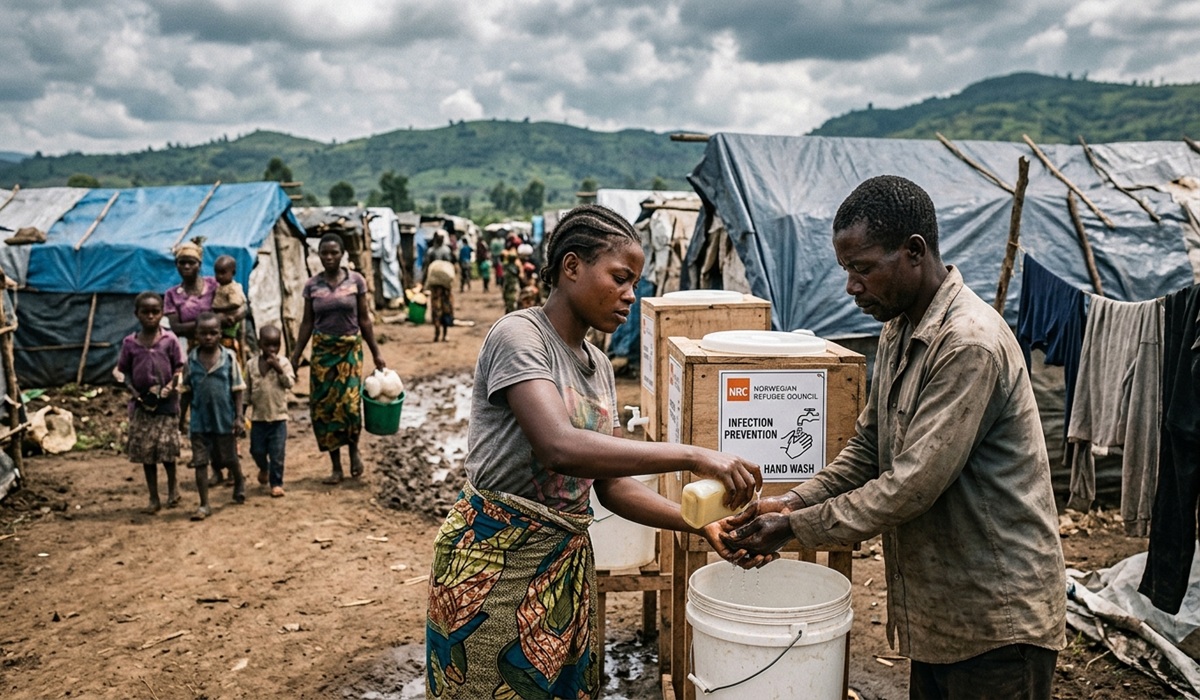
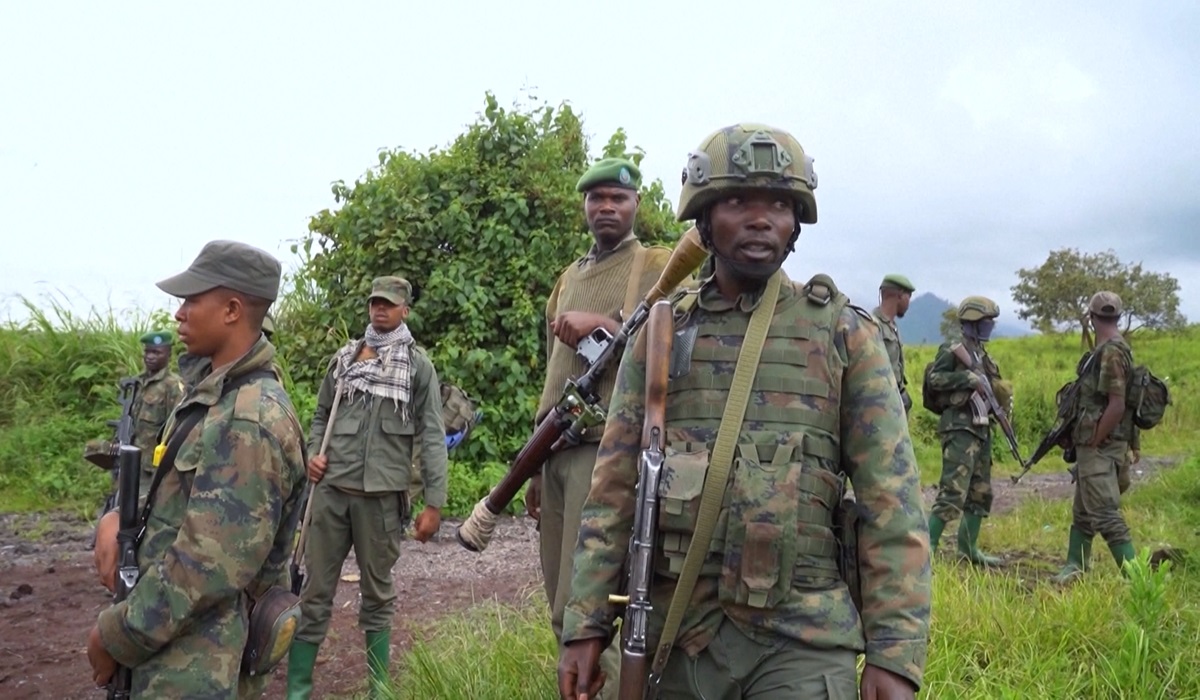
In the eastern region of the Democratic Republic of the Congo, the security situation remains deeply volatile, even as international mediators attempt to breathe new life into stalled peace processes. Recent diplomatic breakthroughs have led to the establishment of sequenced roadmaps for peace negotiations between the government and various armed opposition groups, accompanied by the deployment of ceasefire verification missions to troubled zones in South Kivu. However, these political maneuvers unfold against the backdrop of a devastating public health emergency, as the country struggles to contain a severe Ebola outbreak that continues to strain local medical infrastructure and register high fatality rates. The dual burden of civil conflict and infectious disease has prompted African health ministers and regional organizations to convene emergency summits, prioritizing sustainable health financing, regional emergency medical team deployment, and the strengthening of primary care networks to protect vulnerable populations.
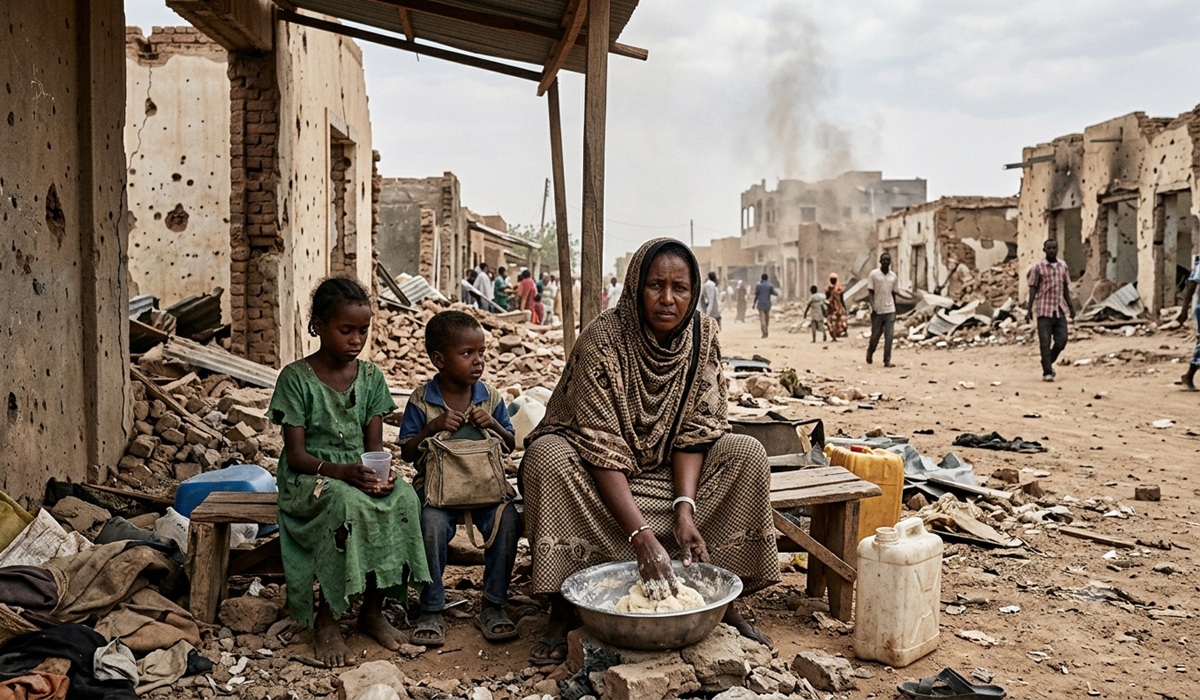
Further north, the humanitarian and security situation in Sudan remains a source of profound international concern as the protracted civil conflict continues to displace millions and disrupt regional stability. Political leaders and former officials have stressed that there is no viable military solution to the crisis, urging renewed domestic and international dialogue to construct a sustainable political transition. Meanwhile, West Africa has also faced tragic reminders of urban vulnerability, highlighted by a massive landfill collapse in the Guinean capital of Conakry following torrential seasonal rains. The disaster, which destroyed numerous informal settlements and claimed dozens of lives, has reignited urgent conversations surrounding rapid and unregulated urban growth, municipal infrastructure deficiencies, and the pressing need to relocate impoverished communities living adjacent to high risk industrial and waste sites.
Despite these profound challenges, various parts of the continent are witnessing dynamic developments in governance, technology, and economic integration that point toward a more hopeful horizon. Nations across the region are actively debating how to balance emerging technological ambitions, such as the rapid expansion of data centers and artificial intelligence infrastructure, with essential environmental preservation and resource management, including vital water security needs. African health and economic bodies are rolling out long-term strategic visions aimed at fostering homegrown industrialization, educational reform, and regional self-reliance. By confronting entrenched security threats and systemic infrastructural deficits with coordinated multilateral action, African nations are steadily laying the groundwork for a more resilient, integrated, and prosperous future.
About The Author