Carney Proposes Bespoke Transatlantic Alliance With European Union Ahead of Strasbourg Address
- Ingrid Jones
- Tiger's Eye Advisory Group - Trending News
- September 14, 2026
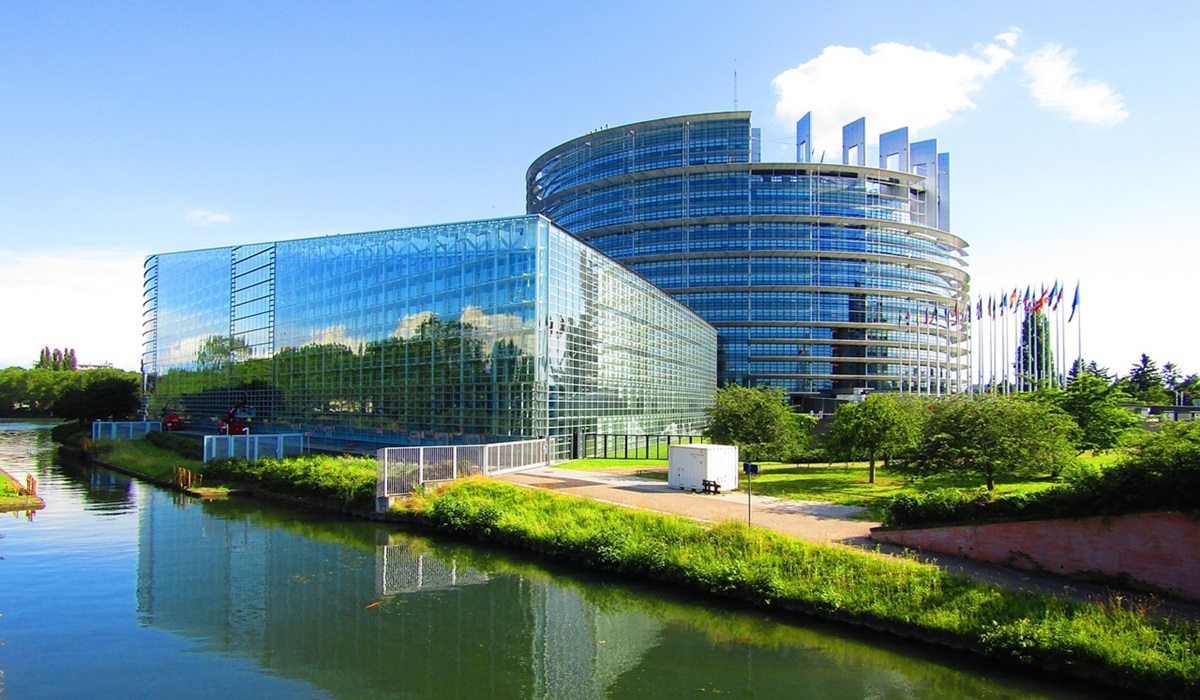
Plans for a bespoke transatlantic partnership are moving forward as Prime Minister Mark Carney prepares to deliver a high-profile address at the European Parliament.Addressing reporters during the Toronto International Film Festival, the prime minister emphasized that Ottawa has no intention of seeking formal accession to the twenty-seven-nation bloc.Instead, federal leadership envisions a customized framework anchored in mutual interests, shared democratic values, and economic complementarities.
The announcement follows recent international media reporting that indicated the federal government had tasked policy teams with exploring ambitious avenues for deeper institutional alignment, including a potential Norway-style associate status. Senior government officials speaking anonymously have emphasized that Canada is not looking to surrender its national sovereignty or independence in exchange for enhanced European market access. Instead, the discussions focus on practical, results-driven frameworks that can yield strategic, technological, and commercial benefits for Canadians.
The strategic pivot toward Europe comes at a critical juncture as Canada navigates an escalating trade conflict and deepening economic friction with the United States. With Washington imposing stringent tariffs and unconventional trade barriers, the Carney administration has intensified efforts to diversify Canada’s international partnerships. By leaning heavily into transatlantic allies, Ottawa aims to insulate its domestic economy from severe external shocks and reduce a historically high reliance on the American market. Closer cooperation with the European Union offers a viable pathway to secure alternative supply chains, particularly in critical minerals essential for renewable energy, artificial intelligence governance, defense-industrial cooperation, and digital trade.
Domestic political reaction to the initiative has been swift and contentious. Conservative Leader Pierre Poilievre criticized the prime minister’s foreign policy maneuvering on social media, asserting that Canada must remain entirely independent from external political unions. Despite the political pushback, the federal government maintains that exploring a closer alignment with the world’s second-largest economy is a necessary evolution. This path builds upon existing frameworks like the Comprehensive Economic and Trade Agreement and recent security-industrial pacts, pushing them toward a much tighter integration of middle powers facing global instability.
Carney’s upcoming address to the European Parliament represents a rare and prestigious platform for a non-European leader, underscoring the reciprocal appetite in Brussels for a fortified partnership.European Union representatives have similarly signaled enthusiasm for reimagining the bilateral relationship to address modern geopolitical divides.As discussions officially commence this week and officials look toward a formal leaders summit scheduled in Canada for late October, the core objective remains establishing a durable structural alliance that safeguards Canadian autonomy while binding the nation closer to its European democratic allies.
About The Author